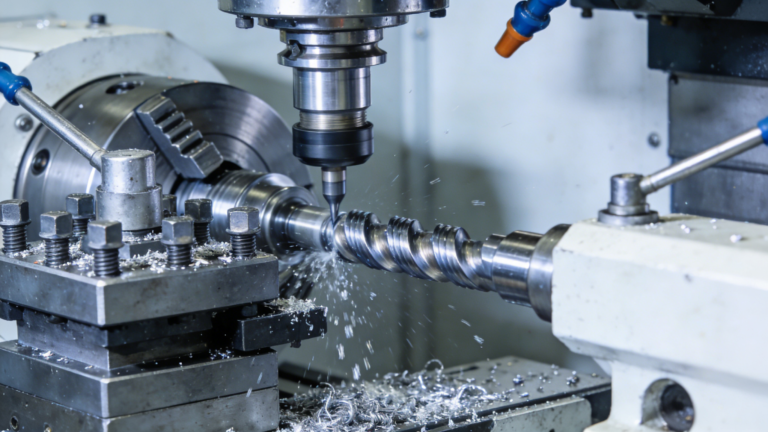
Introduction
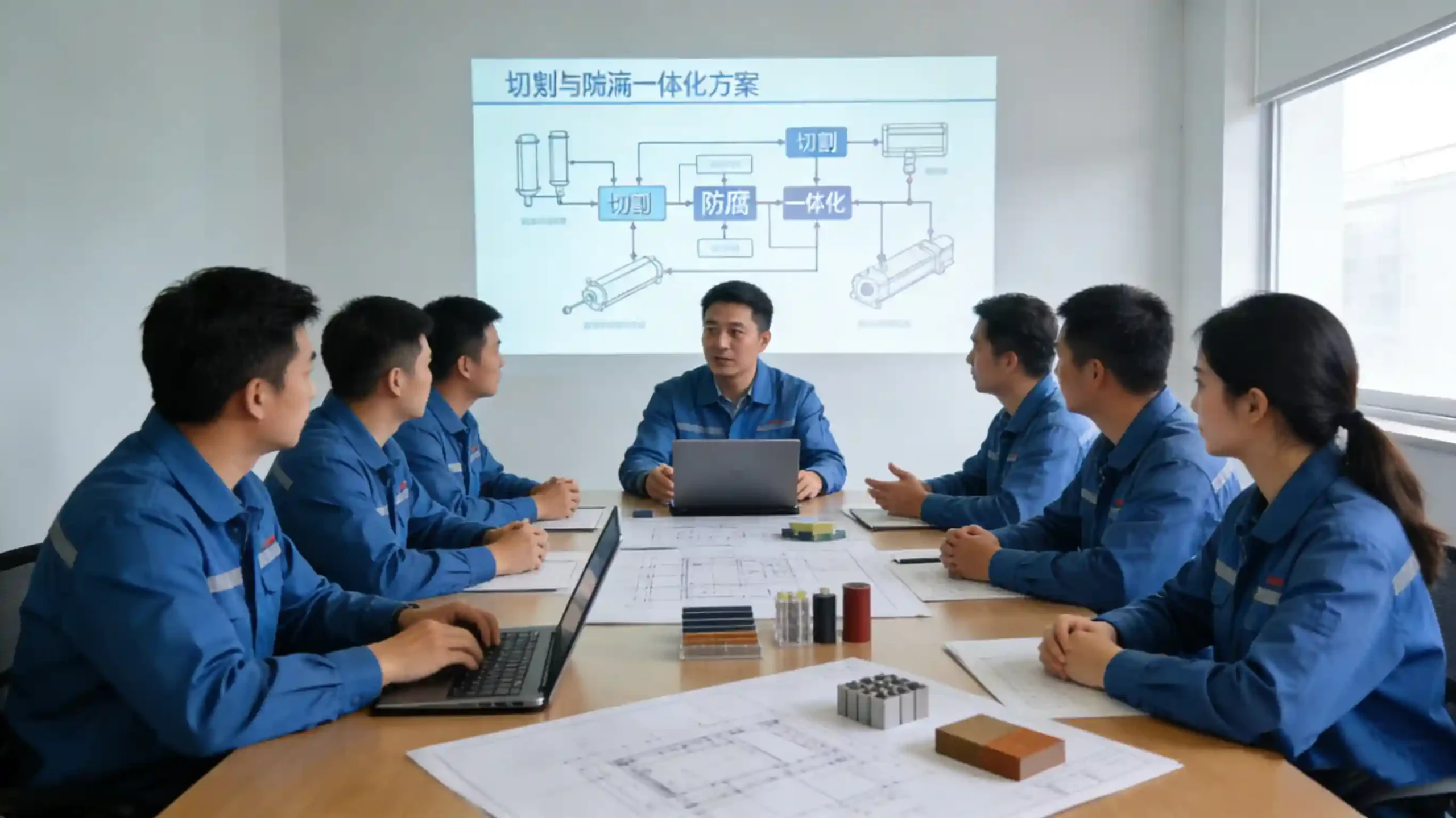
Galvanized steel is widely used in outdoor engineering projects, and its true value lies not only in the zinc coating itself but also in whether subsequent metal processing preserves this protective layer. The professionalism of the cutting service directly determines whether the zinc coating remains intact and continues to deliver long-term corrosion resistance.
For procurement teams, focusing solely on material specifications is no longer sufficient, as project durability is ultimately shaped by processing methods, quality control, and service expertise. Selecting a cutting service provider with a systematic anti-corrosion mindset has become a critical decision factor for outdoor projects.
Why Do Outdoor Projects Demand Higher Anti-Corrosion Standards for Galvanized Steel Cutting?
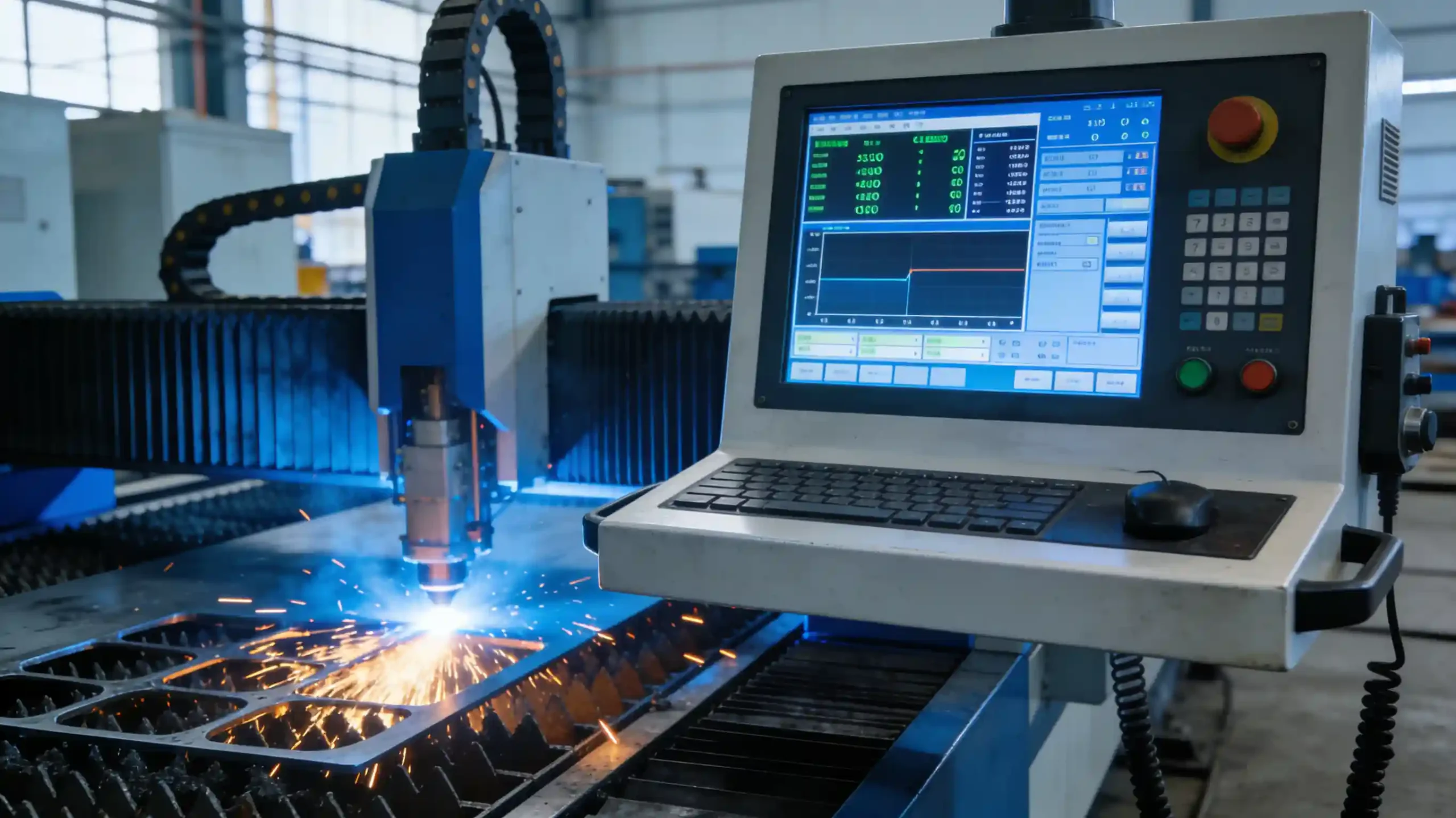
Improper cutting of galvanized steel can easily damage the zinc layer through burning, peeling, or exposed edges, significantly weakening corrosion resistance and creating long-term rust risks. Outdoor conditions such as humidity, UV exposure, and corrosive media amplify even minor defects at cut edges. Therefore, professional galvanized steel cutting services must balance efficiency with coating integrity by minimizing thermal impact and implementing secondary protection strategies when necessary, integrating both galvanized steel cutting and corrosion protection.
Heat-affected zone control: Optimizing energy input to reduce zinc evaporation during cutting.
Edge protection design: Reserving space for anti-corrosion treatment to reduce maintenance costs later.
Outdoor condition matching: Selecting cutting methods aligned with real application environments.
Lifecycle durability assessment: Treating cutting quality as a long-term performance factor rather than a single processing step.
🛡️ Controlling cutting risks at the source is the foundation of reliable outdoor corrosion resistance.
How Do Different Cutting Processes Affect the Integrity of the Zinc Coating?
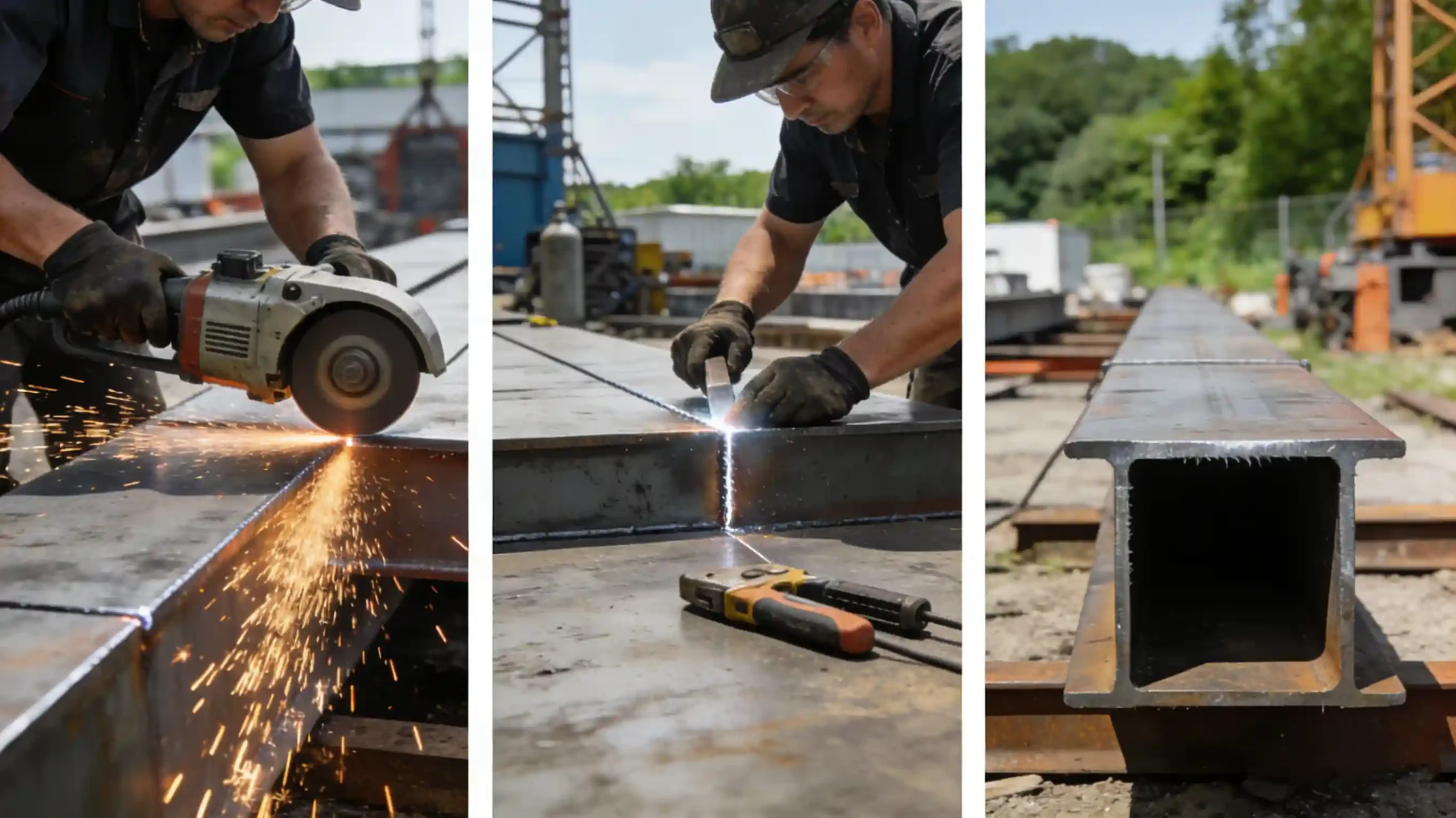
In metal fabrication, various cutting technologies impact galvanized coatings differently, and improper selection can introduce corrosion risks even before project delivery. High-temperature cutting without proper parameter control often leads to oxidation or localized coating loss. Experienced service providers evaluate thickness and geometry to select suitable methods such as laser cutting or plasma cutting, while simultaneously planning corrosion-compensation measures.
Thermal impact management: Using pulse control and optimized speeds to limit heat exposure.
Cut-edge quality: Reducing burrs and micro-cracks that allow moisture penetration.
Process stability: Ensuring consistency across batches to avoid uneven corrosion resistance.
Post-processing compatibility: Preparing edges for sealing or zinc repair treatments.
⚙️ Choosing the right cutting process is essentially planning the corrosion-resistant lifespan of galvanized steel.
What Anti-Corrosion Capabilities Should Be Evaluated When Selecting a Cutting Service Provider?
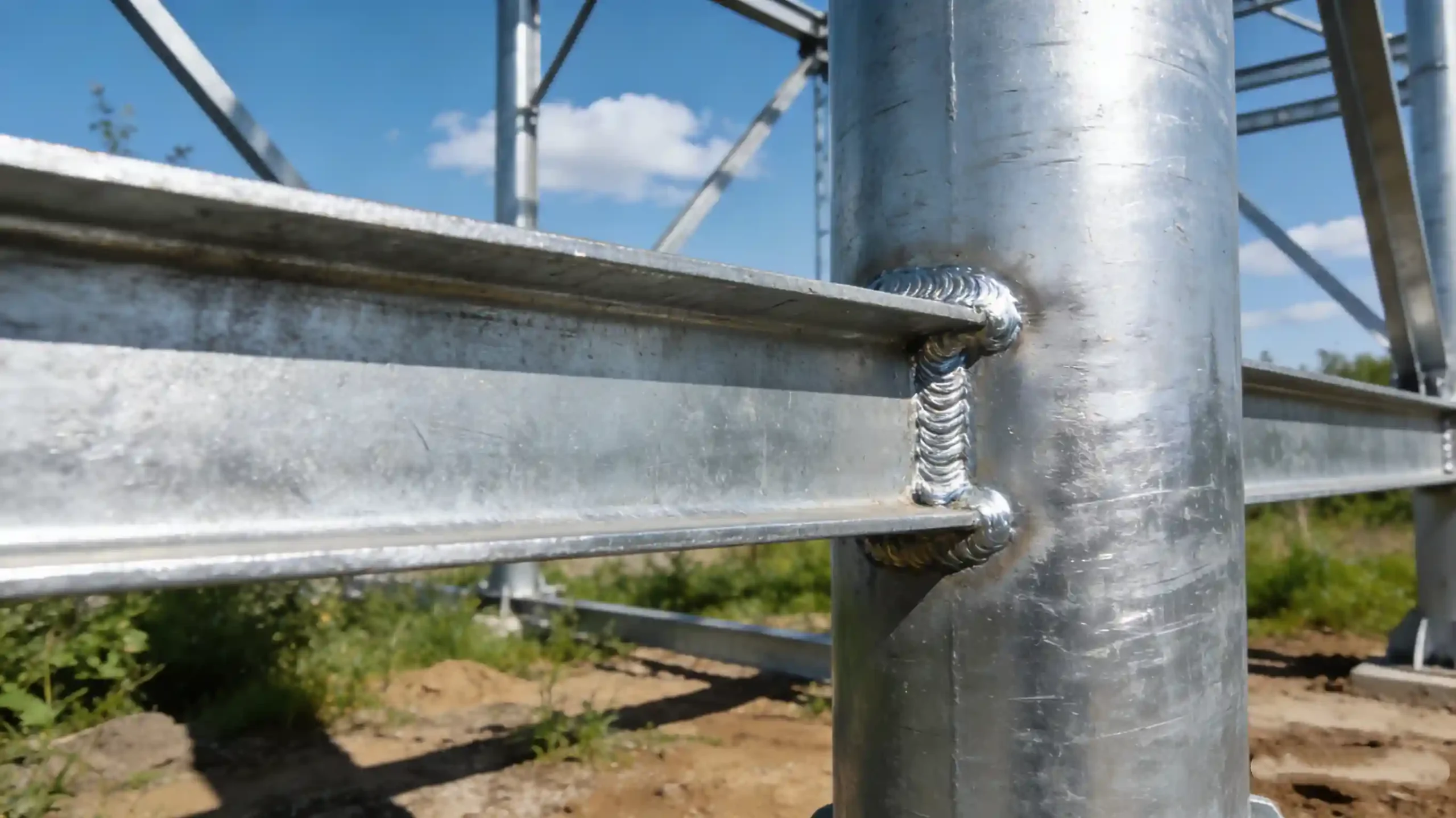
For procurement professionals, evaluating galvanized steel cutting services goes beyond price and lead time, focusing instead on the robustness of anti-corrosion safeguards. Truly reliable providers integrate corrosion protection into their cutting workflow rather than relying on post-process fixes. Manufacturers such as Xiamen Ruicheng embed coating protection strategies during planning stages and apply expertise in quality management systems and surface engineering to minimize outdoor corrosion risks.
Pre-process assessment: Evaluating zinc coating thickness and sensitive areas before cutting.
In-process monitoring: Combining equipment control with skilled operators for stable results.
Edge repair solutions: Offering practical zinc touch-up or sealing options after cutting.
Long-term partnership approach: Providing ongoing technical support throughout the project lifecycle.
🤝 A service provider’s anti-corrosion capability ultimately defines the long-term reliability of galvanized steel in outdoor use.
Comparison of Galvanized Steel Cutting Solutions and Their Impact on Outdoor Corrosion Resistance
| Comparison Criteria | Standard Cutting | Optimized Cutting | Anti-Corrosion Integrated Cutting | Systematic Cutting Solution |
|---|---|---|---|---|
| Zinc coating damage | Noticeable | Controlled | Low | Minimal |
| Edge protection | None | Basic | Targeted | Systematic |
| Outdoor adaptability | Moderate | Good | High | Very high |
| Maintenance frequency | Frequent | Manageable | Low | Minimal |
Want to know which solution best fits your outdoor project? Let’s discuss further, contact us
Extended Value: From Cutting Services to Comprehensive Corrosion Protection
Professional galvanized steel cutting services are not standalone processes but essential components of a broader outdoor corrosion-protection system. By aligning cutting techniques, edge treatment, and installation environments, long-term corrosion risks can be significantly reduced while extending structural service life. This proactive, process-level risk control is becoming the dominant procurement logic for outdoor engineering projects.
1.Process integration: Aligning cutting decisions with installation and operating conditions.
2.Cost efficiency: Reducing long-term maintenance and rework expenses.
3.Quality consistency: Enhancing overall structural reliability.
4.Stable collaboration: Building long-term processing and technical partnerships.
FAQ
Question: What are the key anti-corrosion advantages of your galvanized steel cutting services?
Answer: We define zinc protection objectives before cutting and apply controlled parameters and edge-protection measures to ensure outdoor corrosion resistance after processing.
Question: What information is required to receive a customized galvanized steel cutting solution?
Answer: Providing drawings, environmental conditions, and expected volumes allows us to quickly assess feasibility and deliver actionable solutions.
Question: How are delivery timelines managed for different order volumes?
Answer: We support both small trial orders and large-scale production with flexible capacity planning and stable lead times.
Question: How do you handle corrosion issues identified after cutting?
Answer: Clear quality feedback and response processes are in place, enabling rapid repair or replacement when necessary.
Question: Can you support enhanced corrosion protection for harsh outdoor environments?
Answer: Yes, we provide tailored cutting and protection strategies for high-humidity or high-salt environments, with clear timelines and cost evaluations.
Conclusion
The corrosion resistance of galvanized steel in outdoor projects depends not only on the material itself but heavily on the professionalism of cutting services. By embedding corrosion control early in the processing stage, long-term maintenance risks can be significantly reduced while improving overall project reliability. Choosing a partner such as Xiamen Ruicheng, with systematic metal processing and corrosion-protection expertise, is a strategic decision for safeguarding long-term project value.Shifting from product presentation to decision companionship, modern galvanized steel cutting services deliver measurable, lasting value to procurement teams.
For expert assistance in implementing solutions for your production needs, visit our resource center or contact us. Let’s help you scale up your manufacturing with precision and efficiency!
Email: marketing@chinaruicheng.com
WhatsApp: +8615980769781
Contact page: https://custommetalpro.com/contact-us/