Introduction
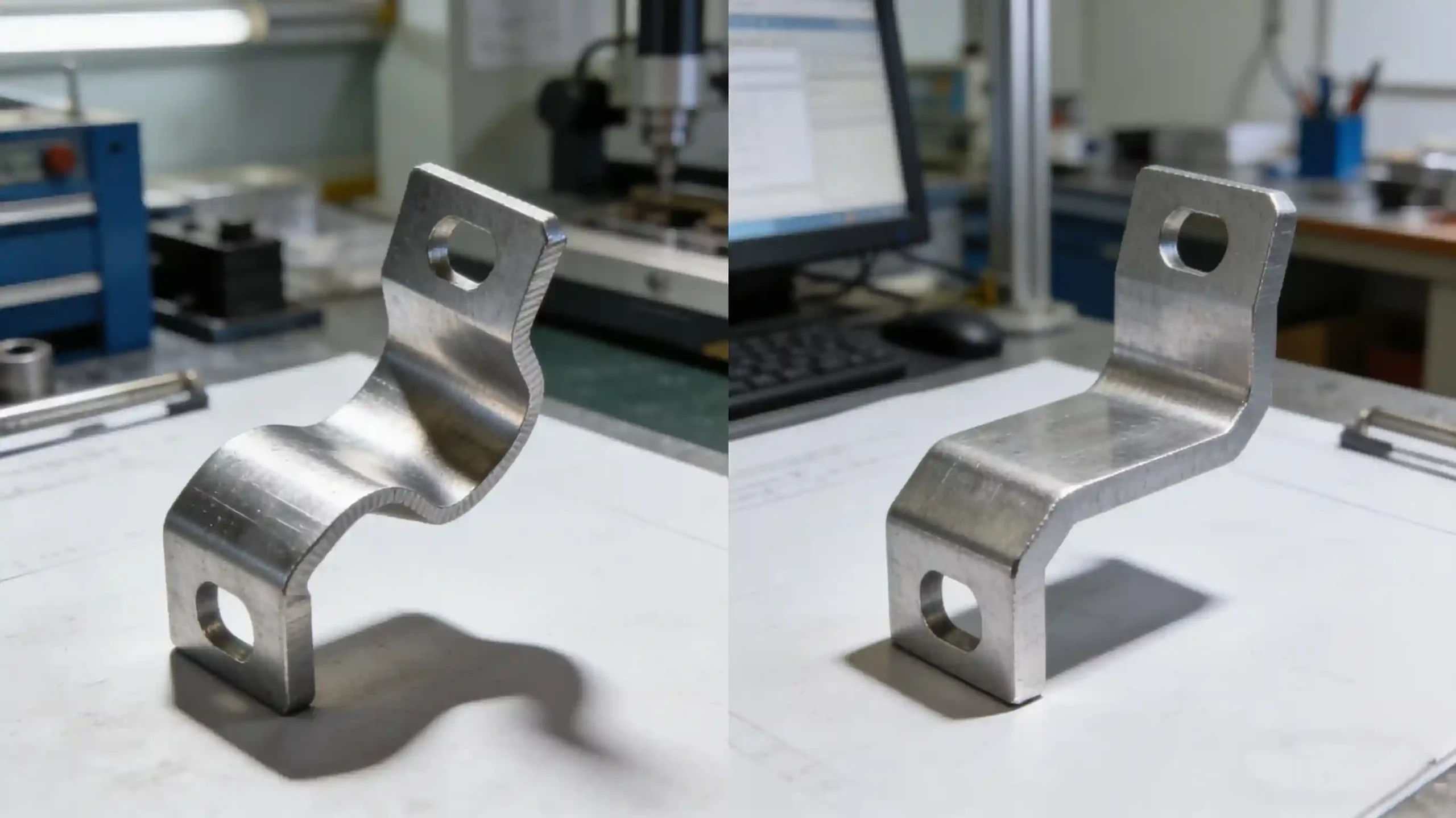
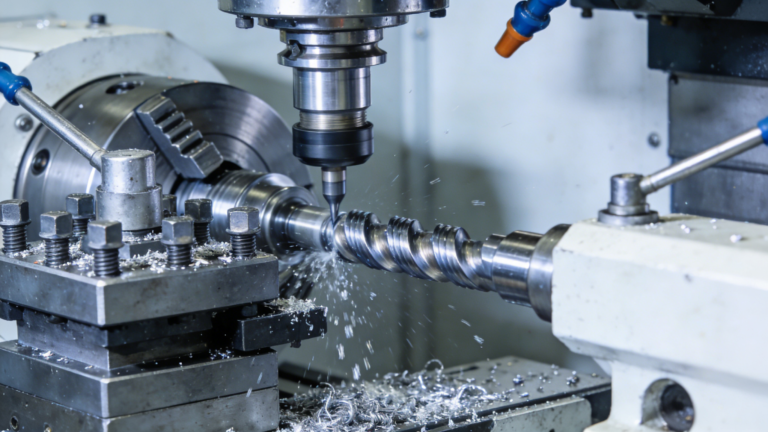
As agricultural machinery moves toward lightweight design, aluminum alloy has become a core material for structural and functional components, placing higher demands on metal processing stages. If cutting control is insufficient, warping, distortion, and dimensional drift frequently occur, directly affecting assembly accuracy and machine reliability. Cutting deformation is not a material defect but the result of an unbalanced processing system.
From product presentation to final purchasing decisions, manufacturers are increasingly focused on the stability and repeatability of cutting processes. Based on extensive metal processing experience, Xiamen Ruicheng has found that the real solution lies in integrating cutting technology into the overall manufacturing decision chain rather than optimizing isolated parameters.
Why do aluminum alloy agricultural parts easily deform during cutting?
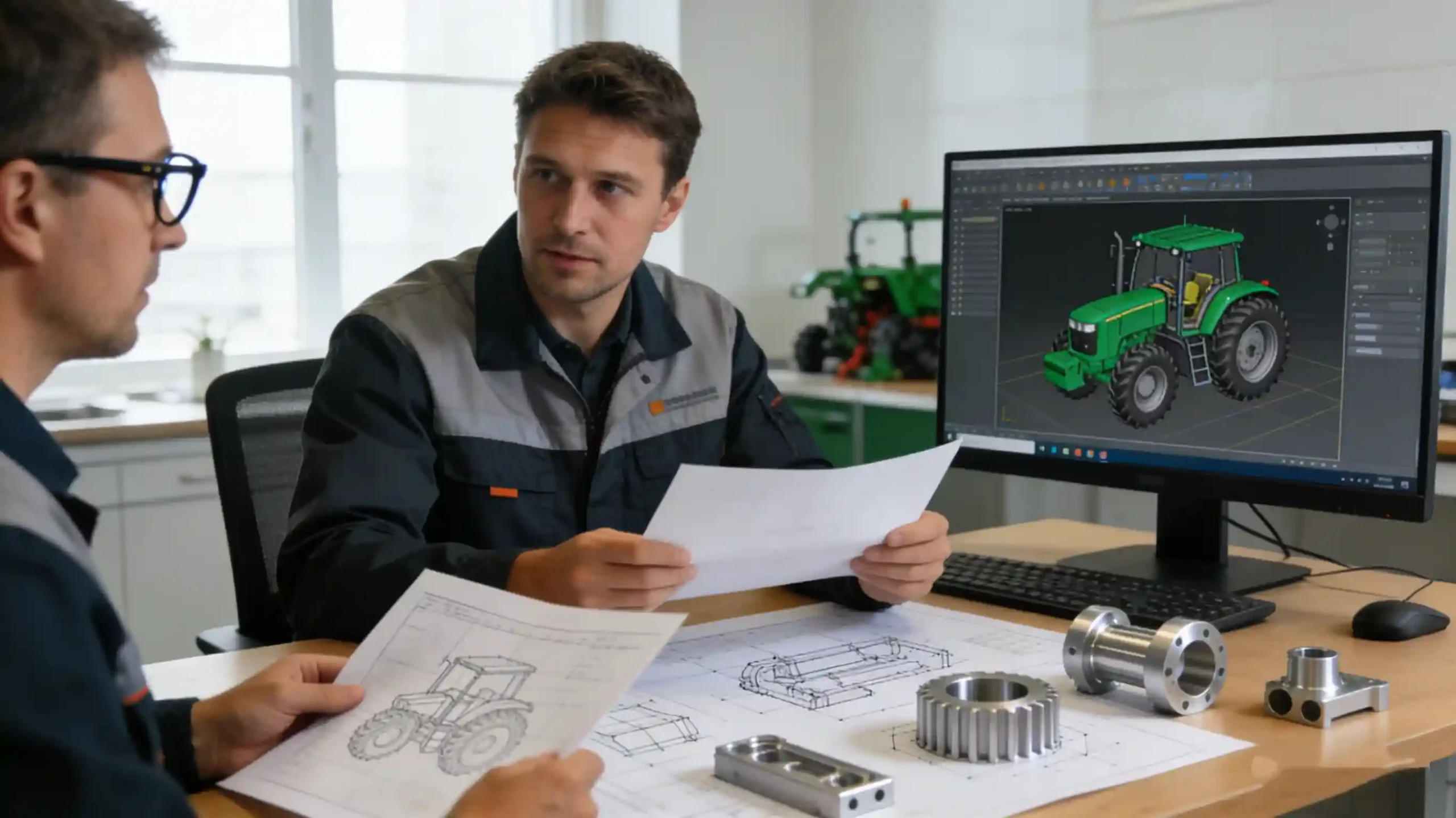
Aluminum alloys feature low density, high ductility, and excellent thermal conductivity, making them extremely sensitive to external forces and heat input during metal processing. When clamping methods, tool paths, or thermal dissipation are improperly controlled, residual stress inside the part is suddenly released, amplifying deformation. Agricultural machinery parts are often large with uneven wall thickness, which further magnifies this risk. In practice, the interaction between aluminum alloy cutting and residual stress is the primary cause of dimensional instability.
Material behavior: High ductility makes aluminum alloys prone to tensile deformation during cutting.
Structural amplification: Large-span frames and brackets magnify minor stress changes.
Thermal concentration: Inadequate heat dissipation leads to local softening and rebound.
Insufficient clamping: Conventional fixtures struggle to provide uniform constraint.
🔧 Understanding material and structural characteristics is the first step in controlling deformation.
How does cutting technology affect dimensional stability?
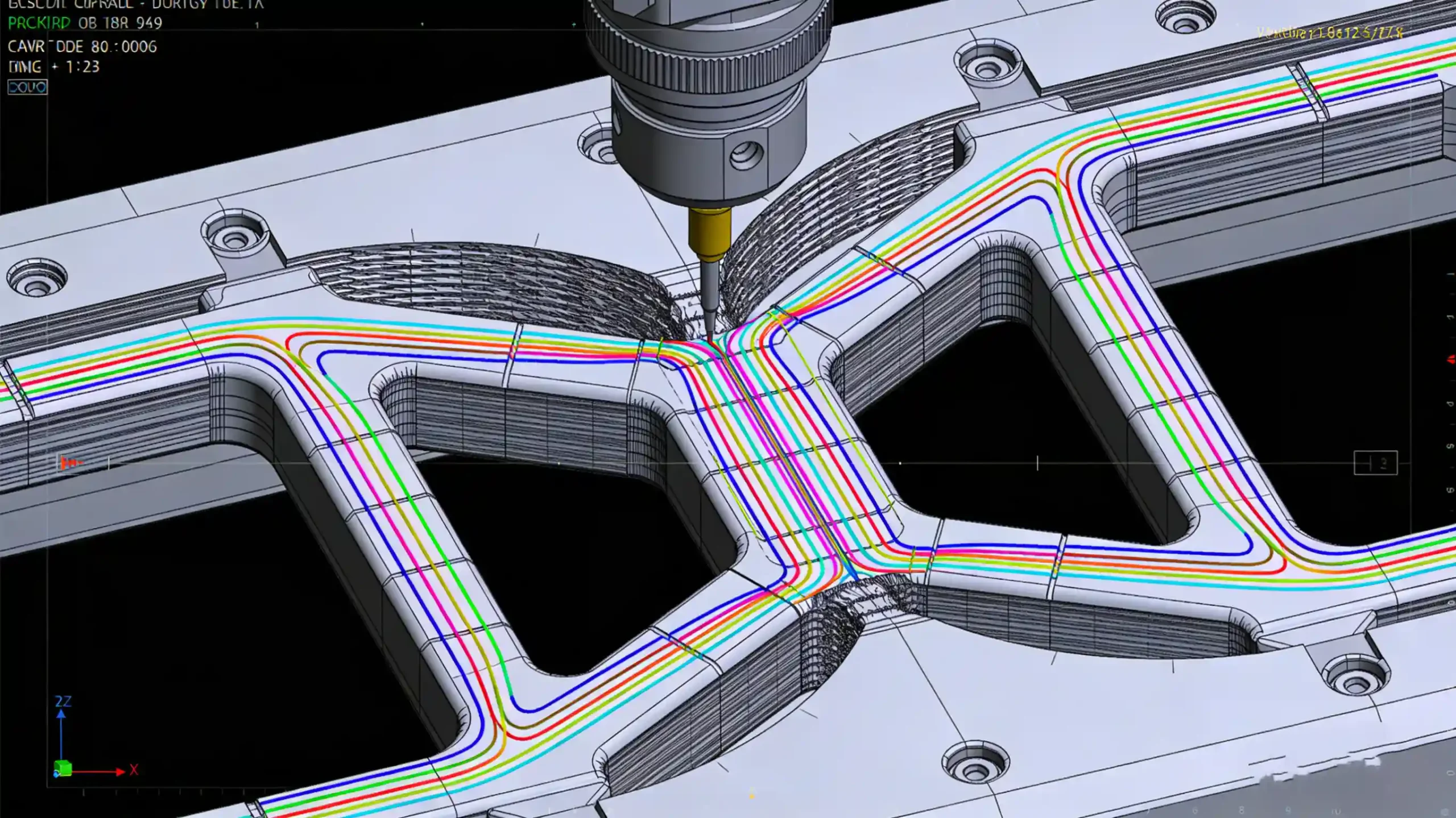
The choice of cutting process directly determines how force and heat act on the part, yet these differences are often underestimated. Applying steel-processing logic to aluminum alloys almost inevitably leads to instability. Stable cutting is essentially the management of force, heat, and time in balance. In agricultural machinery manufacturing, proper alignment between CNC aluminum machining and metal cutting defines batch consistency.
Feed control: Optimized feed rates prevent sudden tensile stress buildup.
Tool selection: High-sharpness tools reduce cutting resistance and heat generation.
Path planning: Symmetrical and segmented cutting allows gradual stress release.
Cooling strategy: Effective cooling maintains material hardness and shape stability.
⚙️ Process stability is a repeatable logic, not a pile of parameters.
How can a systematic approach prevent deformation long term?
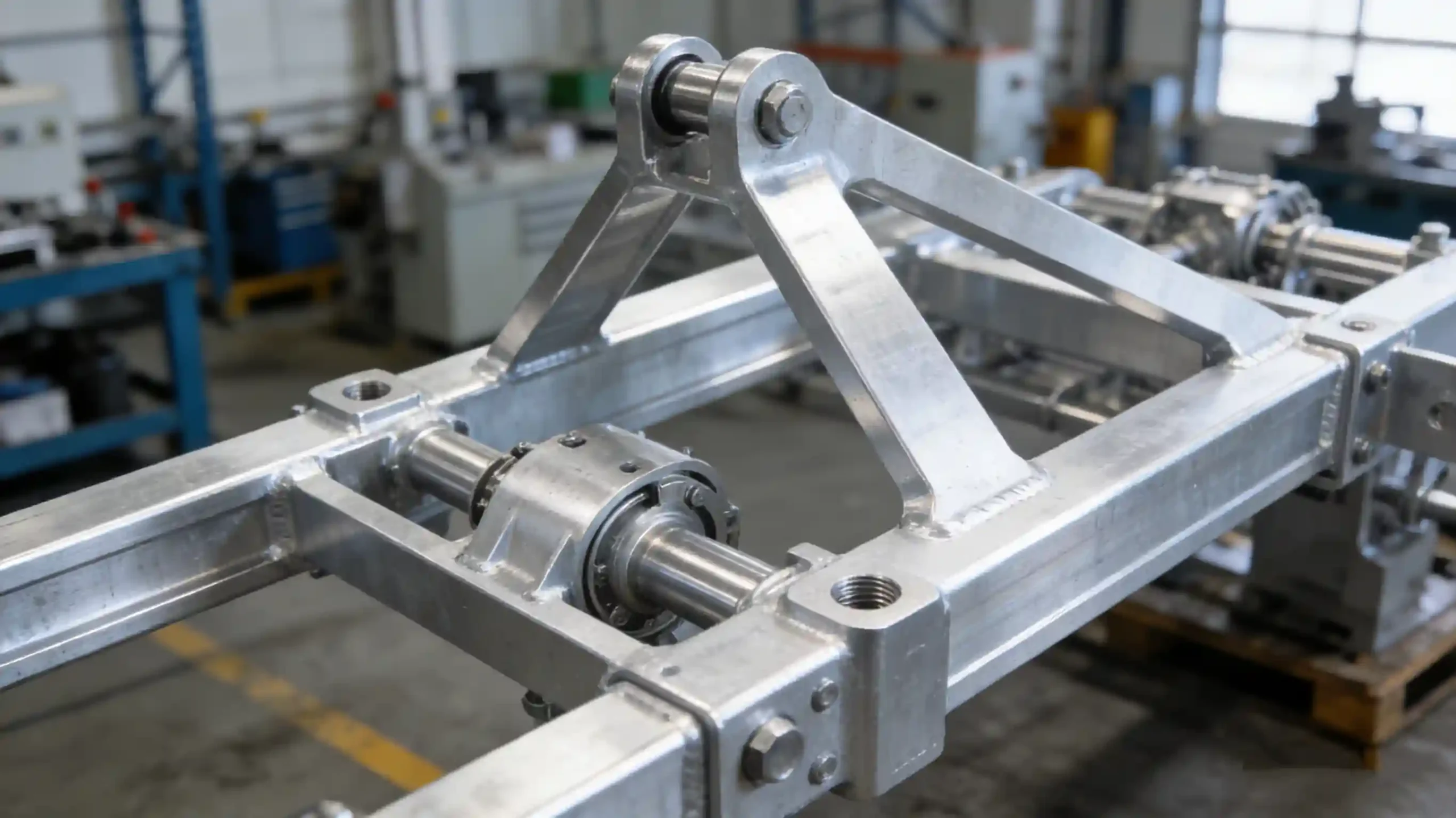
One-time machine adjustment may solve short-term issues but cannot ensure consistent delivery. A truly effective solution integrates pre-cut evaluation, in-process control, and post-cut inspection into a closed loop. A systematic approach transforms deformation control from experience-based to process-driven. In serving agricultural machinery clients, Xiamen Ruicheng combines fixture design with quality control to significantly reduce rework rates.
Pre-cut analysis: Identify high-risk deformation zones based on part geometry.
Dedicated fixtures: Custom fixtures provide uniform and controllable clamping force.
Process monitoring: Key steps are monitored to prevent cumulative deviation.
Result verification: Flatness and dimensional checks ensure batch consistency.
✅ Long-term stability comes from systems, not isolated techniques.
Key Comparison Points for Agricultural Aluminum Cutting Solutions
| Dimension | Conventional Cutting | Optimized Process | Systematic Solution | Xiamen Ruicheng Practice |
|---|---|---|---|---|
| Deformation control | Experience-based | Partial improvement | Full-process control | Process + fixture synergy |
| Dimensional consistency | High variation | Moderate stability | High stability | Batch repeatability |
| Rework risk | High | Medium | Low | Significantly reduced |
| Decision support | None | Parameter reference | Data-driven | Engineering involvement |
Selecting the right cutting strategy often defines the efficiency ceiling of an entire agricultural production line—feel free to explore tailored solutions with us via contact us
From Cutting Service to Manufacturing Decision Support
When choosing aluminum cutting suppliers, agricultural machinery manufacturers are shifting focus from simple processing capacity to comprehensive solution capability. Equipment lists or pricing alone can no longer support complex part delivery. True value lies in a supplier’s ability to participate in early-stage decisions and reduce overall manufacturing risk.
1.Technical insight: Understanding agricultural operating conditions and structural requirements.
2.Solution capability: Providing integrated cutting and fixturing recommendations.
3.Delivery stability: Ensuring consistency across multiple production batches.
4.Collaborative mindset: Engaging during the design stage to optimize outcomes.
Frequently Asked Questions (FAQ)
Question: What is the core advantage of your aluminum alloy cutting service?
Answer: Centered on dimensional stability requirements for agricultural parts, we build a complete control system covering material assessment, fixture design, and process inspection, validated by batch data to ensure repeatable results.
Question: What information is required to obtain a quotation?
Answer: We recommend submitting drawings, material grade, expected volume, and operating conditions through our designated channel. Xiamen Ruicheng will respond within the agreed timeframe with a quotation including process analysis.
Question: How are delivery times handled for different order volumes?
Answer: Trial runs prioritize rapid validation, while mass production relies on stabilized fixtures and capacity planning to ensure transparent and negotiable lead times.
Question: How are deformation or dimensional issues handled after delivery?
Answer: Through pre-defined evaluation and inspection mechanisms, responsibilities are identified clearly, followed by rework or replacement solutions and synchronized process optimization.
Question: Do you support customized cutting solutions for special structures?
Answer: Yes, based on specific geometry and operating conditions. Detailed requirements are needed, and tailored solutions are evaluated and feedback within the agreed cycle.
Conclusion
Aluminum alloy cutting deformation is not an unavoidable manufacturing challenge but a controllable risk when managed systematically. By integrating material behavior, cutting technology, and process control, long-term dimensional stability becomes achievable. When cutting services evolve into decision support, efficiency and quality improve simultaneously. Through this collaborative approach, Xiamen Ruicheng helps clients build a more resilient manufacturing foundation.
For expert assistance in implementing for your production needs, visit our resource center or contact us. Let’s help you scale up your manufacturing with precision and efficiency!