Introduction

Long metal parts are widely used in mechanical structures, rail systems, and industrial enclosures, yet traditional machining methods often lead to excessive material waste and extended production cycles. In today’s highly competitive manufacturing landscape, cost control has become a critical priority for both procurement and engineering teams.
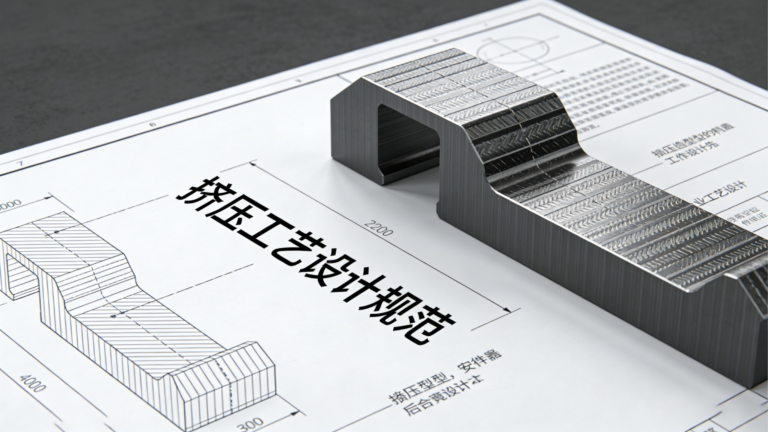
As custom metal extrusion technology matures, more companies are re-evaluating how structural design and manufacturing methods can be aligned from the early stages. By integrating manufacturing considerations into the design phase, companies can achieve systematic improvements in cost, lead time, and product performance.
What are the root causes of high costs in long metal parts?
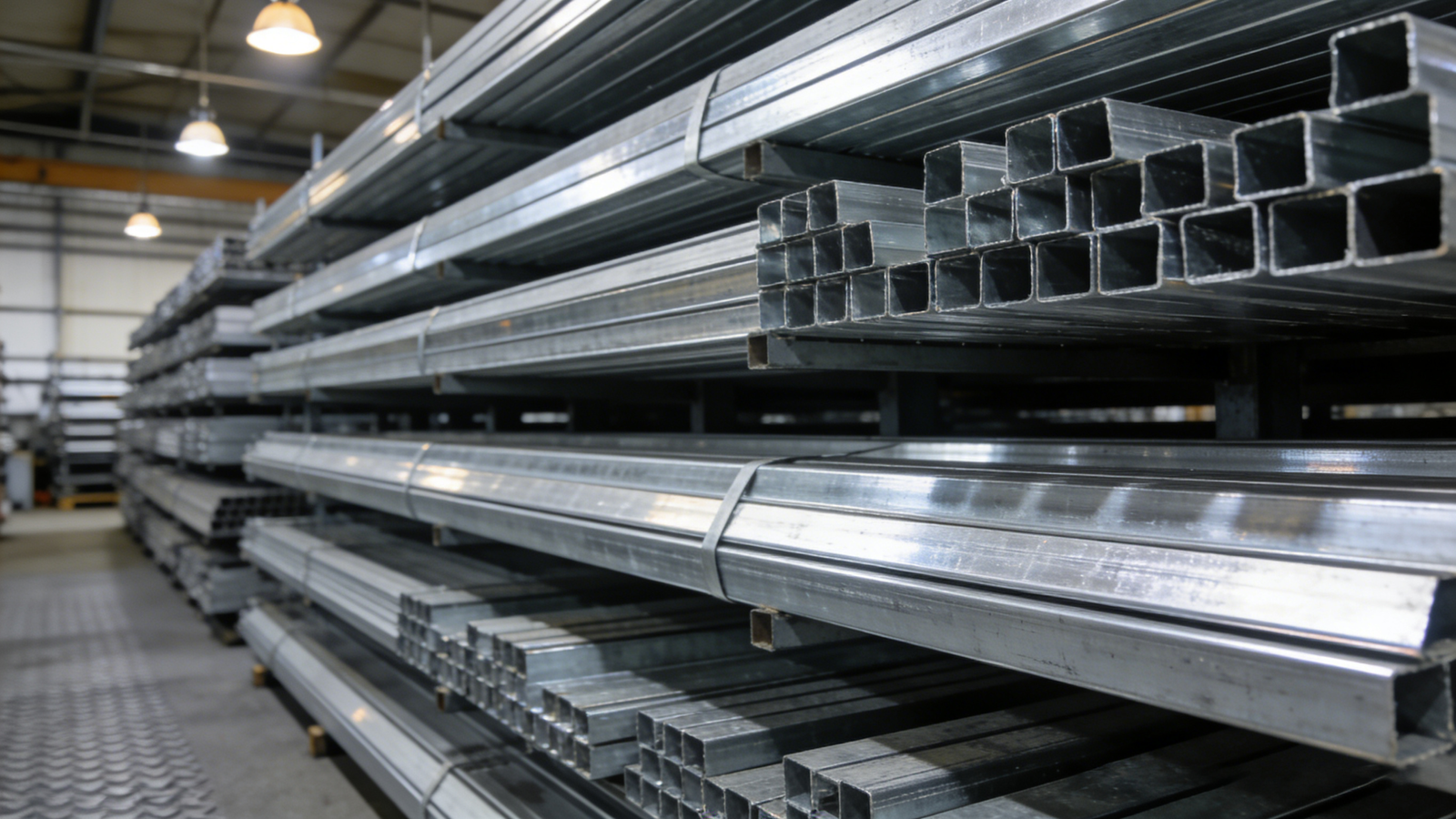
The high cost of long metal parts often stems from a mismatch between processing methods and structural design, such as the high material removal rate in traditional CNC machining, combined with deformation risks in long components during metal fabrication, which further increases rework rates, while adopting metal extrusion can significantly reduce waste and streamline production steps. Cost issues are rarely caused by a single factor but rather by an imbalance between design, process, and production scale.
Material waste: Traditional subtractive processes remove large amounts of raw material.
Processing complexity: Long parts require extended machining paths and tight tolerance control.
Deformation risk: Uneven stress leads to dimensional instability.
Limited batch efficiency: Small volumes fail to absorb fixed production costs.
💡 High costs in long parts are essentially the result of inefficient process selection and systemic waste.
How does custom metal extrusion reduce overall production costs?
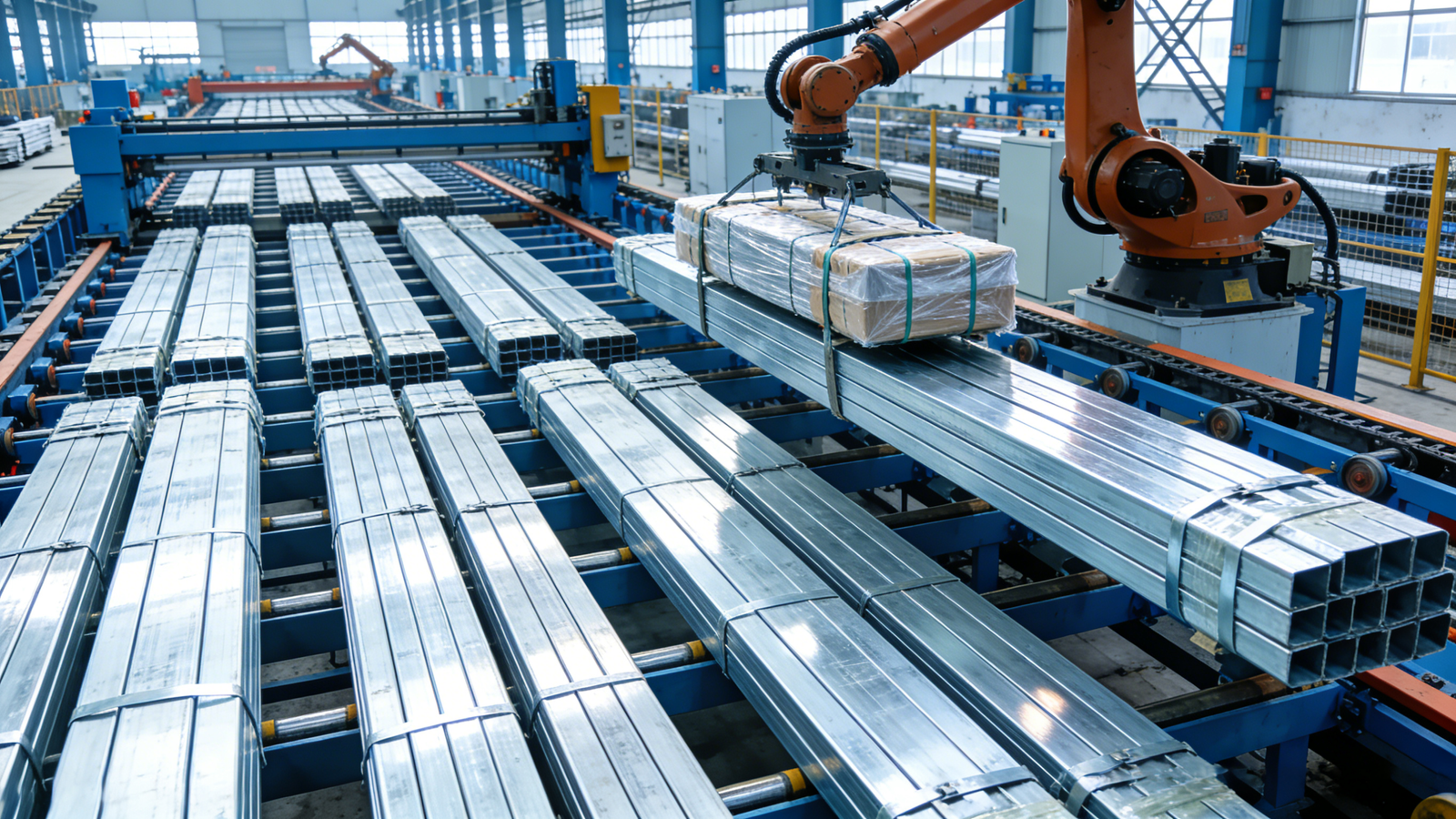
Custom metal extrusion enables complex cross-sections to be formed in a single step, significantly reducing the need for secondary machining, while offering excellent material utilization in mass production, especially for long structural components, with strong applications in aluminum extrusion and industrial extrusion, and Xiamen Ruicheng delivers optimized solutions through die design and process alignment. Replacing multi-step machining with a single extrusion process is the key to cost reduction.
One-step forming: Complex geometries are achieved without multiple operations.
High material efficiency: Material utilization is significantly improved.
Batch advantage: Larger volumes lead to lower unit costs.
Reduced post-processing: Minimizes secondary machining and assembly work.
🚀 The core value of extrusion lies in transforming multiple processes into one efficient forming operation.
How to determine if your project is suitable for metal extrusion?
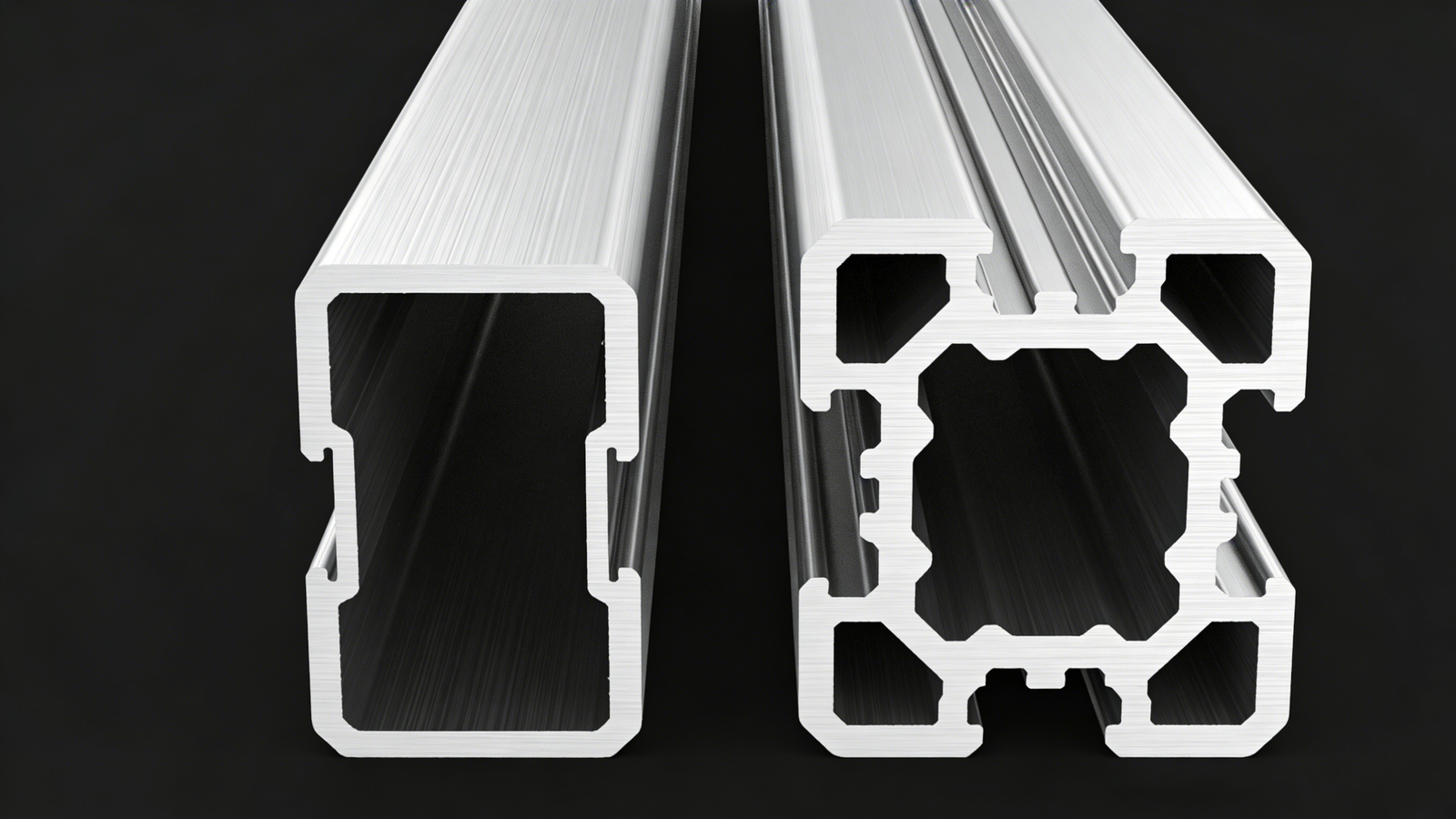
Not all long metal parts are suitable for extrusion, as feasibility depends on cross-sectional geometry, material type, and production volume, where uniform cross-sections and stable batch sizes favor this process, while complex 3D geometries or low-volume projects require careful evaluation, supported by manufacturing process selection and design for manufacturability, and Xiamen Ruicheng provides early-stage technical assessment to guide decisions. Choosing the right process starts with a clear understanding of product structure and production needs.
Geometric simplicity: Simpler cross-sections are more extrusion-friendly.
Stable volume: Consistent demand helps amortize tooling costs.
Material compatibility: Aluminum and certain alloys are ideal.
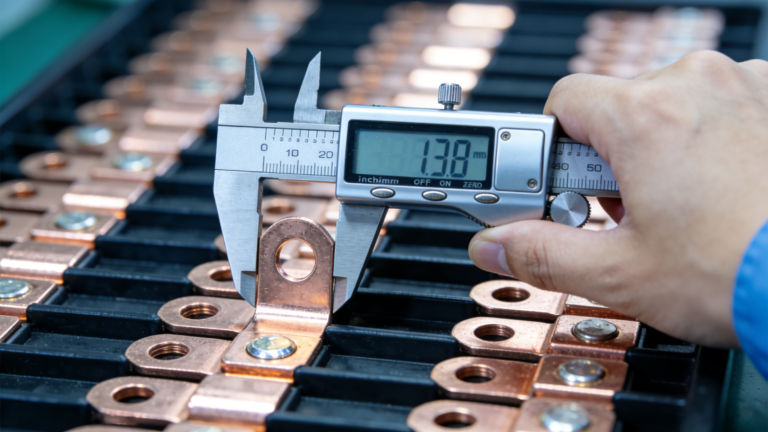
Tolerance requirements: Medium to high precision may require post-processing.
📊 Suitability for extrusion depends on balancing structure, volume, and precision requirements.
Cost and applicability comparison of different metal processing methods
| Process Type | Material Utilization | Initial Cost | Suitable Volume | Precision | Lead Time | Complexity | Overall Cost |
|---|---|---|---|---|---|---|---|
| CNC Machining | Low | Low | Small Batch | High | Medium | High | High |
| Casting | Medium | Medium | Medium Batch | Medium | Long | Medium | Medium |
| Stamping | High | High | Large Batch | Medium | Short | Low | Low |
| Extrusion | High | Medium | Medium to Large | Medium-High | Medium | Medium | Low |
If you are evaluating a more cost-effective solution, Xiamen Ruicheng can provide a tailored analysis, contact us
How to achieve long-term cost reduction through process synergy
In real-world projects, optimizing a single process rarely delivers maximum benefits, and a combination of design, material selection, and manufacturing integration is required, where Xiamen Ruicheng aligns extrusion with secondary machining to create a balanced solution that ensures performance while reducing total cost. Effective cost reduction comes from cross-functional optimization rather than isolated improvements.
1.Design integration: Embedding manufacturing constraints early reduces redesign efforts.
2.Process combination: Extrusion plus finishing achieves both precision and cost balance.
3.Material optimization: Selecting extrusion-friendly materials improves efficiency.
4.Volume planning: Proper batch planning lowers per-unit cost.
Frequently Asked Questions (FAQ)
Question 1: What are the core advantages of your custom metal extrusion service?
Answer: Xiamen Ruicheng ensures consistent dimensional accuracy through precision die design and controlled extrusion processes, achieving material utilization rates above 90%, while integrating secondary machining to meet industrial assembly requirements.
Question 2: What information is required to request a quotation?
Answer: Please provide 2D/3D drawings, material specifications, and estimated order volume; Xiamen Ruicheng supports online submission and responds within 12 hours with process recommendations and pricing.
Question 3: What are the lead times for different order volumes?
Answer: Small-batch prototyping typically takes 7–10 days, while mass production ranges from 15–25 days, supported by multiple production lines for urgent orders.
Question 4: How are quality issues handled after delivery?
Answer: A full traceability system and inspection reports are provided; confirmed issues are addressed within 48 hours with replacement or optimization solutions to ensure production continuity.
Question 5: Do you offer customization services?
Answer: Yes, we support custom die design and process optimization based on your structural requirements, typically delivering feasibility analysis within 3 working days with cost impact evaluation.
Conclusion
The high cost of long metal parts is fundamentally caused by the mismatch between processing methods and structural design, while custom metal extrusion offers an efficient and scalable solution. With the expertise of Xiamen Ruicheng, companies can achieve significant cost savings without compromising performance. End-to-end optimization from design to manufacturing is the key to long-term cost competitiveness. Choosing the right process not only affects unit pricing but also determines overall supply chain efficiency and stability.
For expert assistance in implementing for your production needs, visit our resource center or contact us. Let’s help you scale up your manufacturing with precision and efficiency!