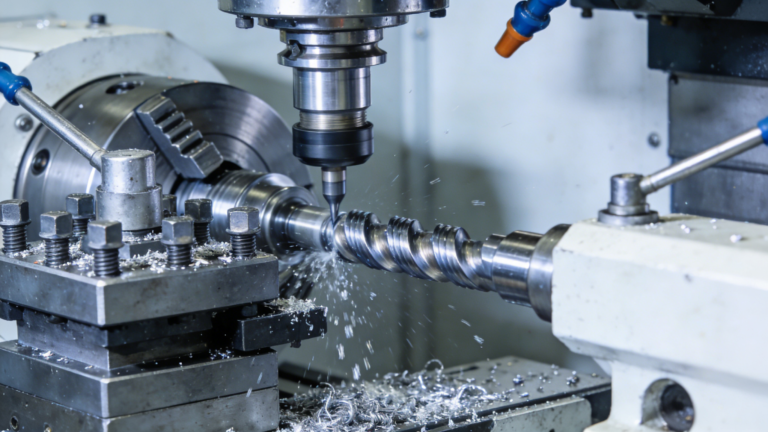
Machining complex metal parts1 requires a combination of advanced equipment, strong engineering capability, stable production control, and deep material understanding. These projects often involve intricate geometries, strict tolerance requirements, and multi-process workflows. The right supplier can ensure precision, repeatability, and manufacturing stability even for the most demanding components.
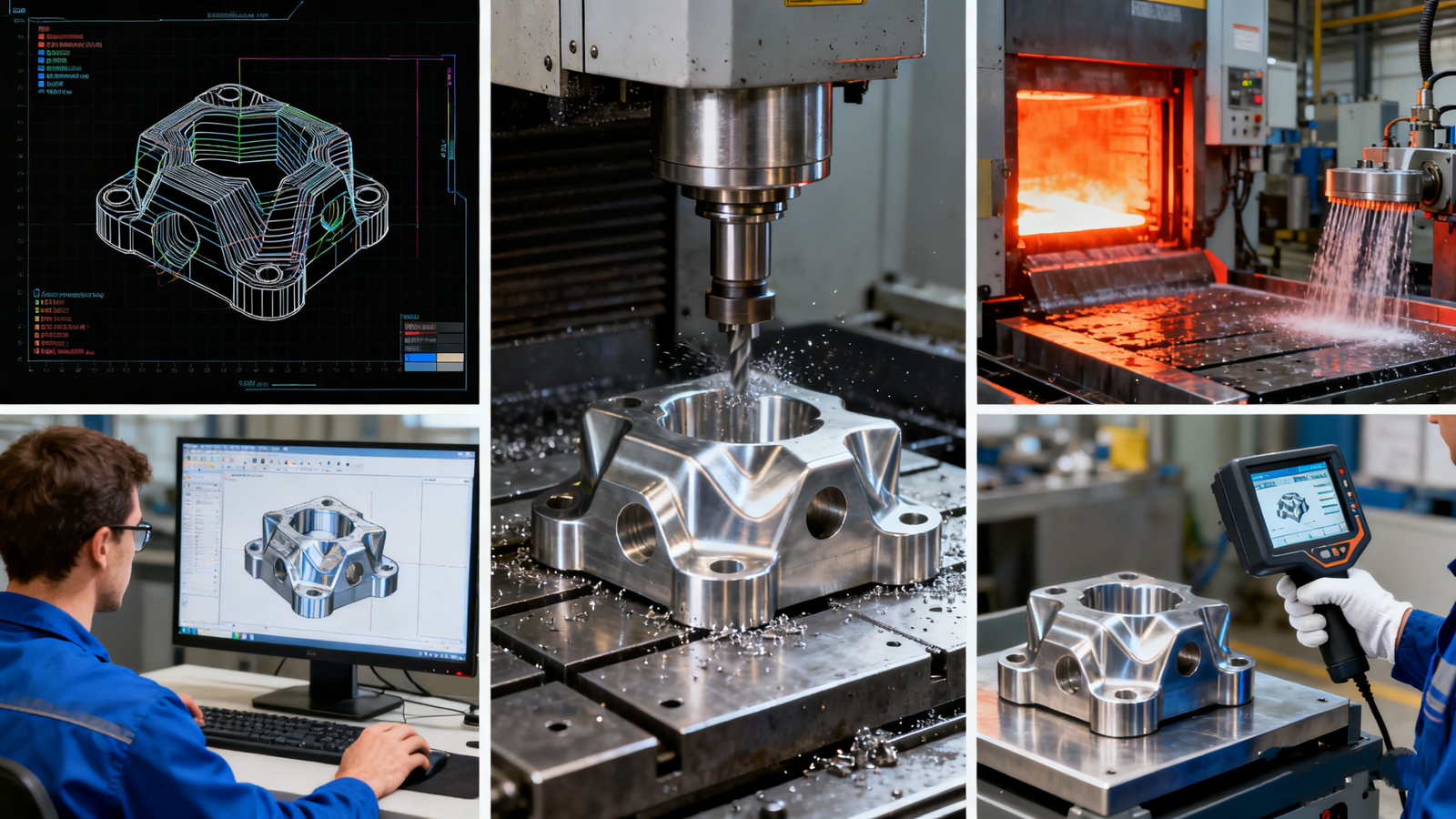
What Defines “Complex” Metal Parts?
Complex parts typically include deep cavities, thin walls, multi-surface geometries, or tight-tolerance features that require precise toolpath strategies.
Incorrect machining planning can easily cause deformation, vibration, tolerance shift, and surface defects.
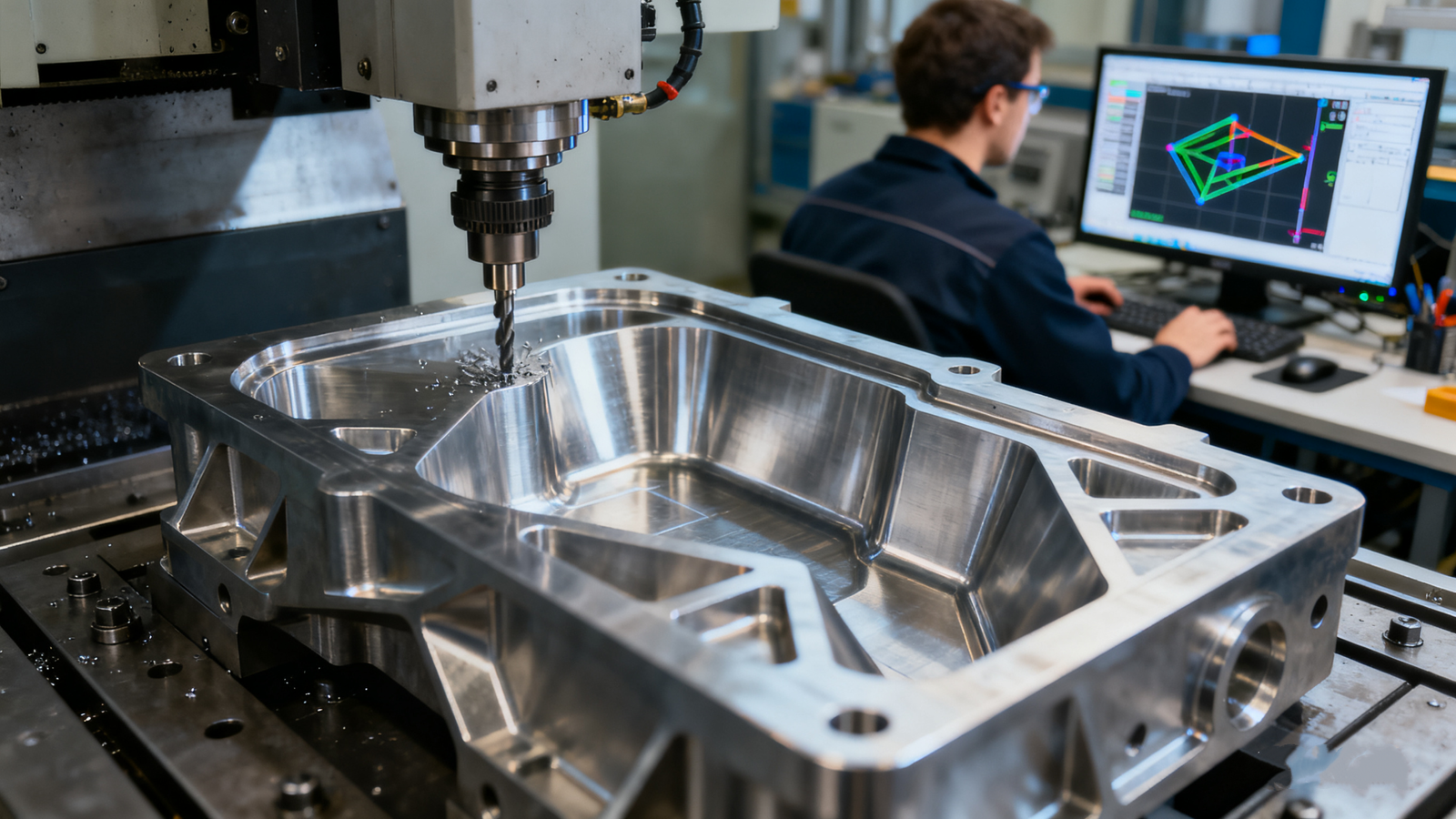
These parts may require:
Multiple machining orientations
5-axis interpolation
Specialized tooling control
High-speed cutting strategies
Combined milling, turning, and EDM operations
Critical Capabilities Needed for Complex Parts Machining
A capable supplier must be equipped with both advanced machines and experienced technical staff.
Machine rigidity and precision directly determine whether complex geometries can be produced without distortion.
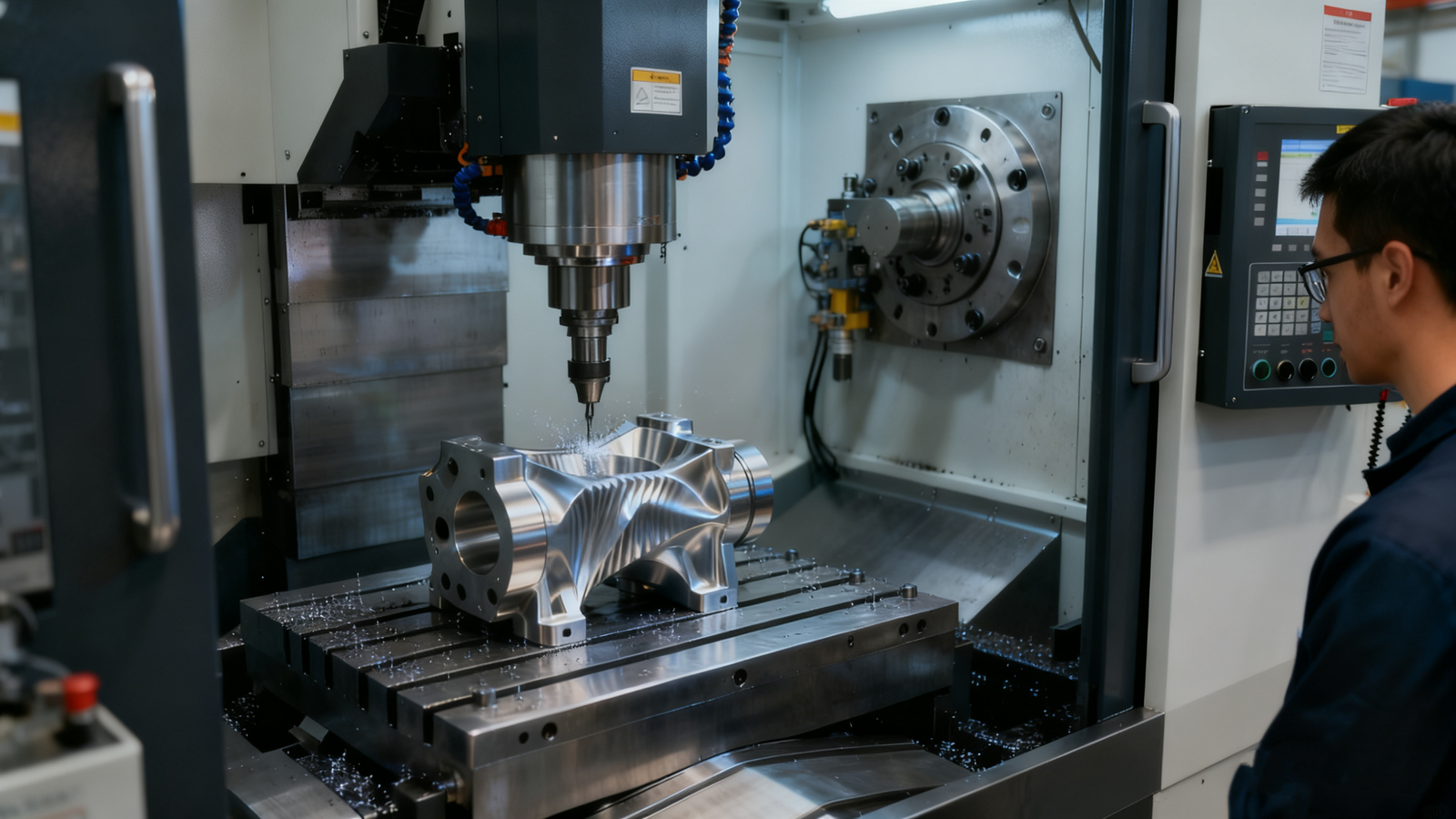
Key indicators include:
5-axis machining capability2
High-speed milling centers
Precision fixturing systems
Dynamic toolpath optimization
Thermal stability control
Ruicheng’s Strength in Complex Metal Machining
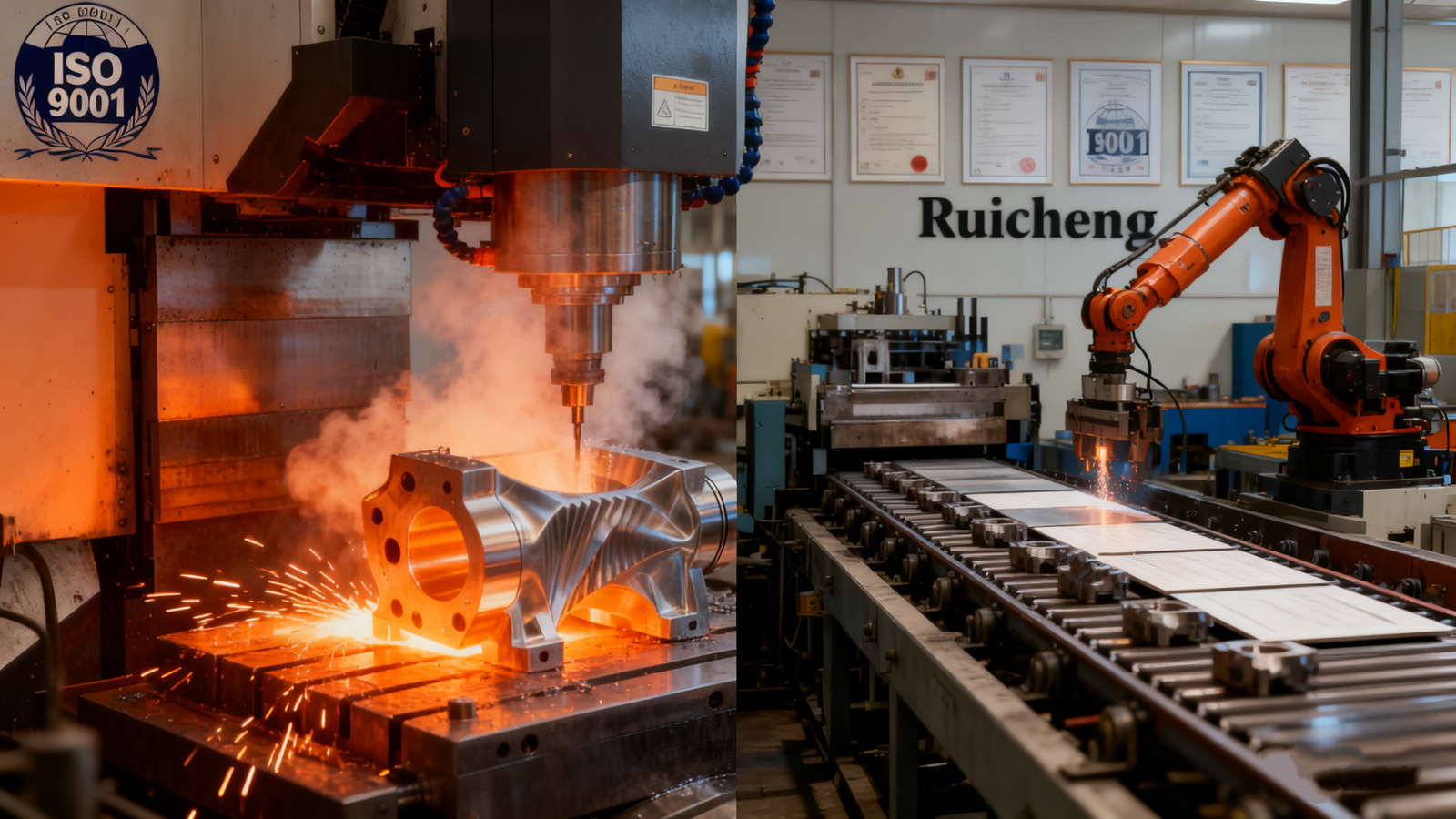
Ruicheng specializes in producing high-precision, complex metal components for aerospace, robotics, medical devices, automation equipment, and high-end machinery. Our company operates both 3-axis and 5-axis CNC machining centers3, supported by ISO 9001-certified quality systems4.
Through optimized manufacturing processes and professional engineering support, Ruicheng ensures consistency even on multi-feature, tight-tolerance parts.
We provide:
Fine-feature machining
Multi-process integration (CNC + EDM + stamping + extrusion + casting)
Prototype and mass-production capability
Detailed inspection reports
Materials Commonly Used for Complex Metal Parts
The more complex the geometry, the more important material stability becomes during machining.
A supplier must understand how each material reacts to cutting force, heat, and tool pressure to maintain tolerance accuracy5.
Materials include:
Aluminum 6061 / 7075
Stainless steel 304 / 316 / 17-4PH
Titanium
Brass and copper
Alloy steels
Multi-Step Workflow Required for Complex Machining
Complex components rarely rely on one process alone. Instead, the production cycle involves multiple stages from engineering evaluation to final inspection.
A well-defined workflow significantly reduces machining risks and improves repeatability.
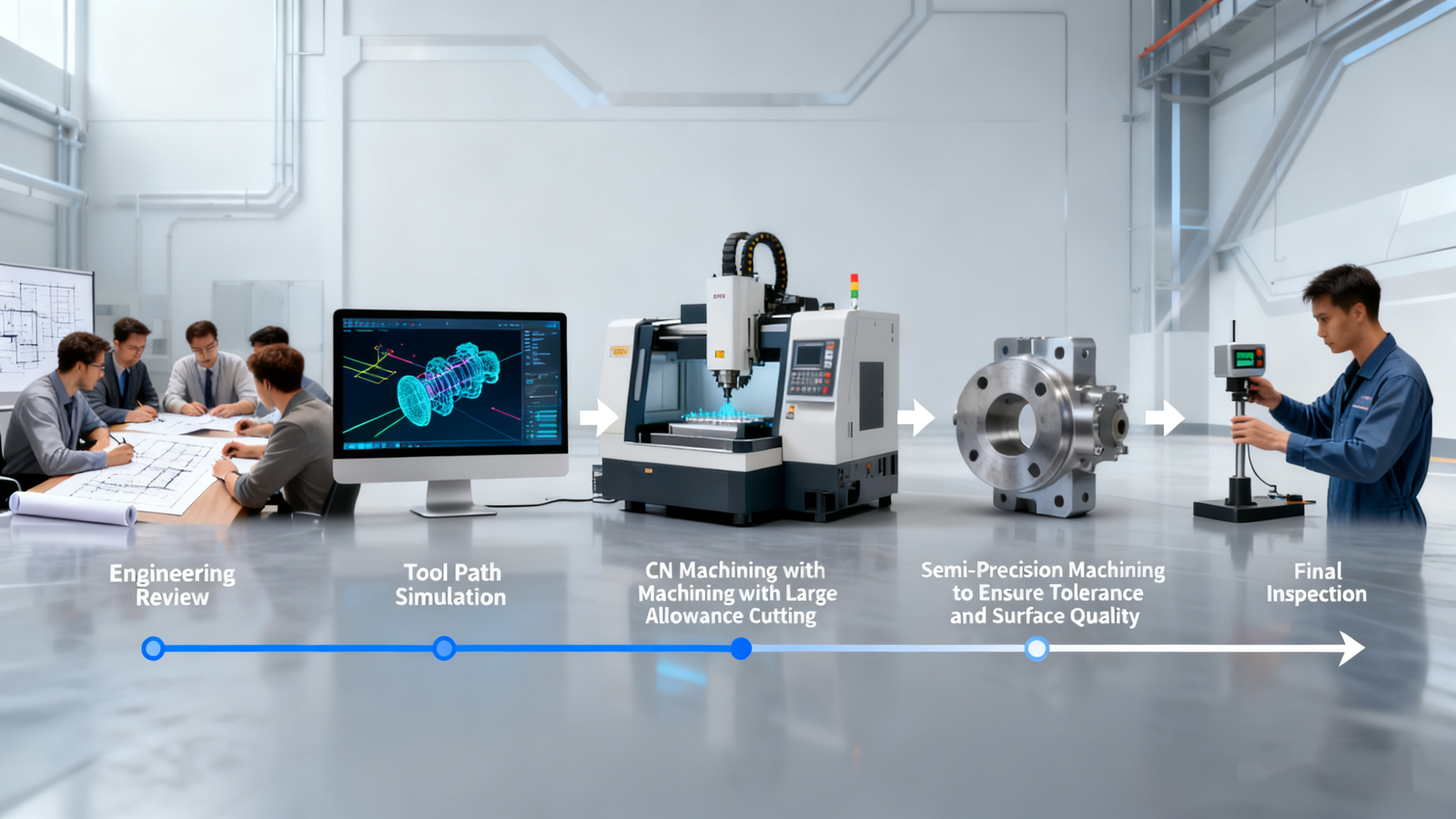
| Process Stage | Purpose |
|---|---|
| Engineering review | Evaluates feasibility and risk |
| Toolpath simulation | Prevents collision and vibration issues |
| Rough machining | Removes bulk material for stability |
| Semi-finish & finish machining | Achieves tolerances and surface quality |
| Final inspection | Verifies all features before shipment |
Inspection Capability for Complex Geometries
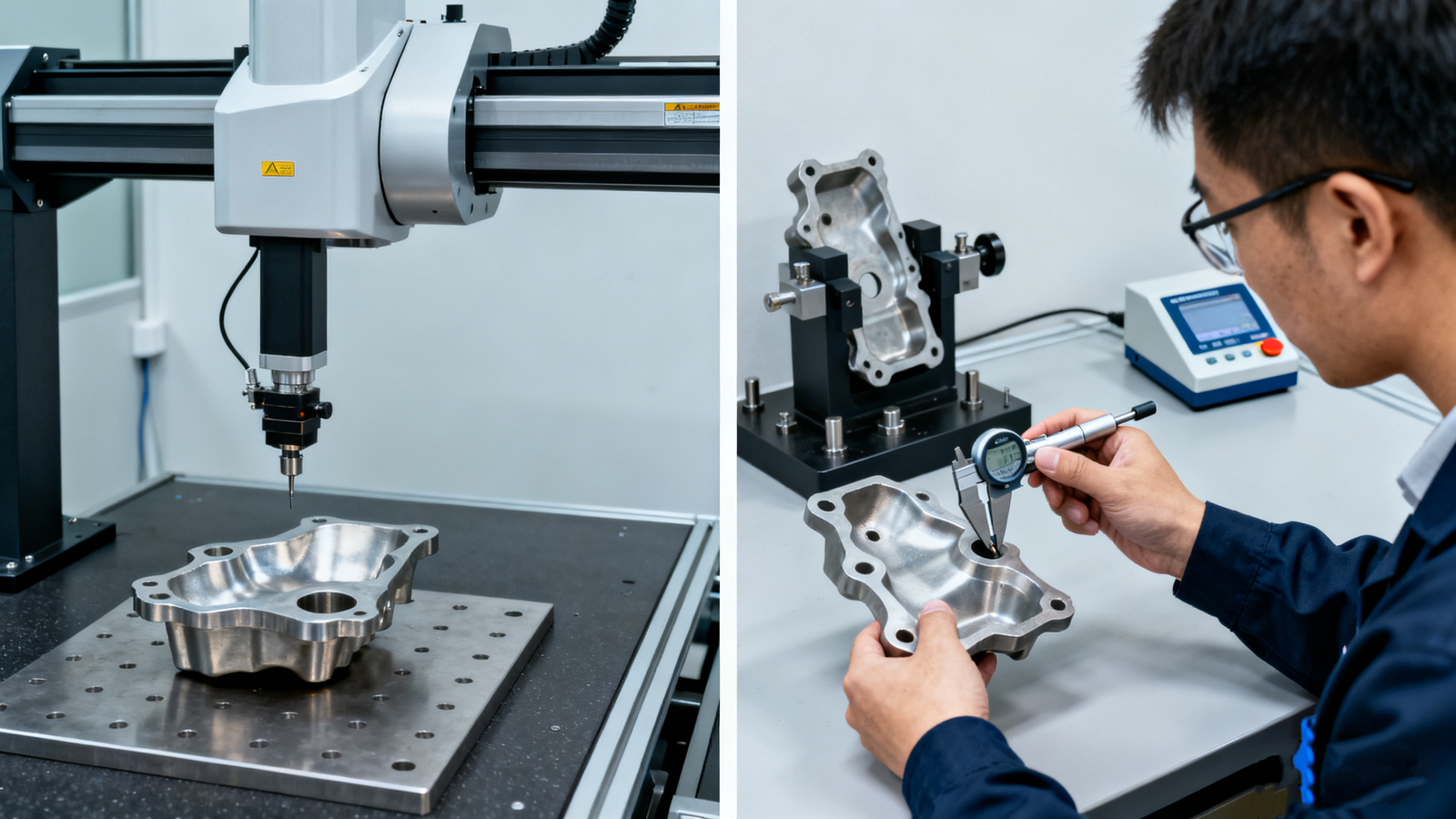
Complex parts require advanced measurement systems capable of validating internal features, multi-angle surfaces, and micro-geometry details.
Inadequate inspection equipment may miss critical errors, leading to functional failure.
Ruicheng uses:
CMM inspection6
High-precision gauges
Custom fixtures for multi-angle measurement
Surface roughness testing
Real Case From Ruicheng
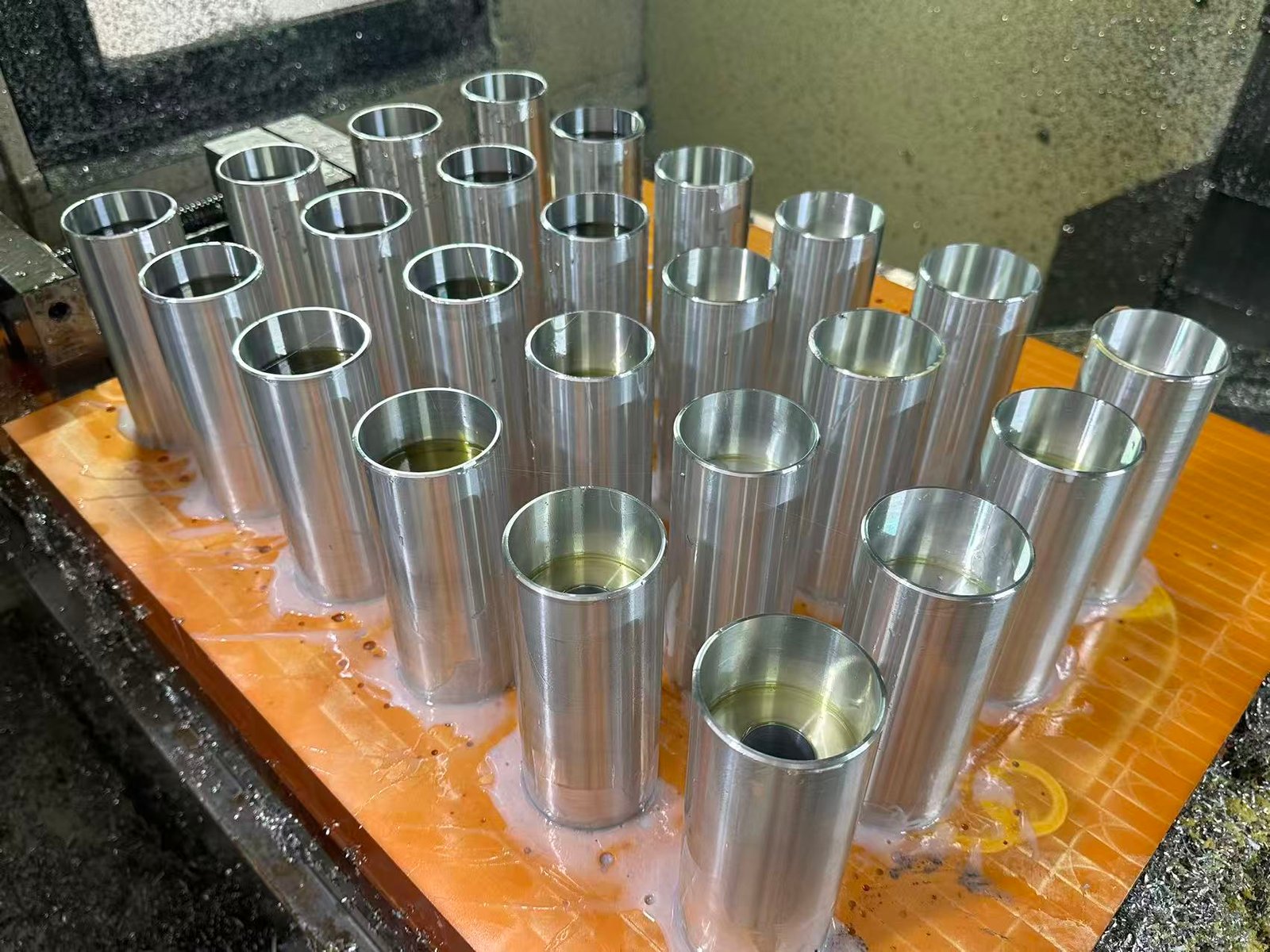
A robotics manufacturer required a set of aluminum components with thin walls and internal channels. Conventional machining caused deformation during earlier attempts by another supplier. Ruicheng redesigned the toolpath, adjusted cutting parameters, and implemented multi-stage roughing to stabilize the structure.
The final parts achieved ±0.01 mm accuracy, proving the reliability of Ruicheng’s engineering approach.
FAQs About Complex Metal Parts Machining
What industries require complex metal machining?
Aerospace, medical, optics, robotics, automation, and precision equipment commonly require these components. These sectors depend on tight-tolerance accuracy5 and advanced machining stability.
Does complex machining always require 5-axis equipment?
Not always, but 5-axis machines often improve precision and reduce setups. Reducing tool repositioning is key to achieving tight tolerances.
Can Ruicheng handle both prototype and mass production?
Yes. Our company supports low-volume, pilot-run, and large-scale production for complex parts. This flexibility is ideal for clients needing long-term supply capability.
What is the typical tolerance for complex machining?
±0.01–0.05 mm depending on geometry and material. Tolerance is influenced by machine rigidity and fixturing strategy.
Contact Us
For engineering consultation or quotation on complex metal parts1 machining:
Email: marketing@chinaruicheng.com
WhatsApp: +8615980769781
Contact page: https://custommetalpro.com/contact-us/
Ruicheng is ready to support your complex component projects with reliable machining, advanced engineering capability, and ISO-certified quality control.
-
Understanding complex metal parts is crucial for selecting the right machining processes and suppliers. ↩ ↩
-
Explore how 5-axis machining enhances precision and efficiency in manufacturing complex components. ↩
-
Explore the role of CNC machining centers in producing complex metal parts with high precision. ↩
-
Learn about the benefits of ISO 9001 certification for quality assurance in machining processes. ↩
-
Explore the significance of tolerance accuracy in ensuring the functionality of machined parts. ↩ ↩
-
Discover how CMM inspection ensures the accuracy and quality of complex machined parts. ↩