Introduction
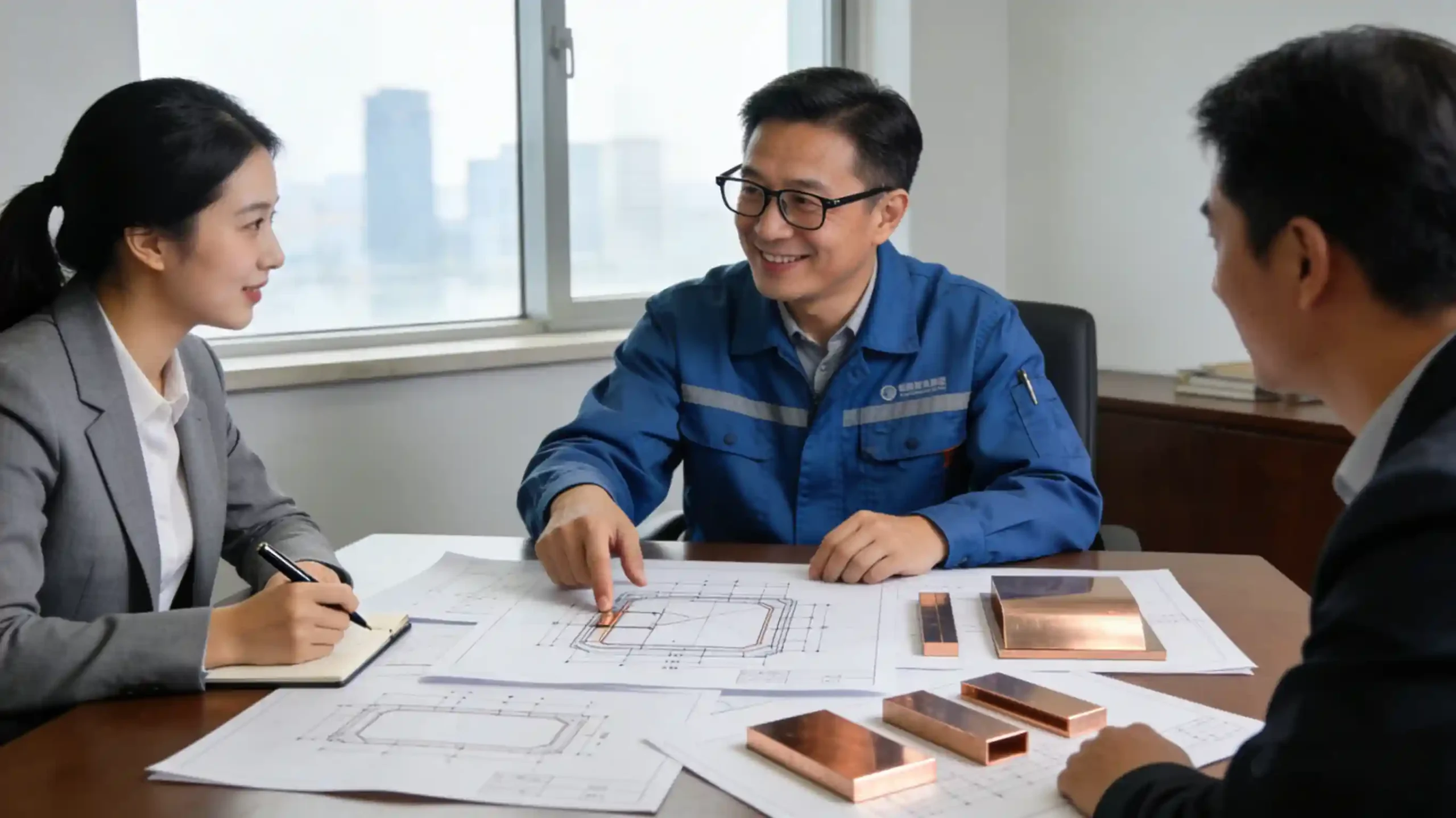
Electronic components impose long-term and highly stable requirements on metal edge quality, which are reflected not only in dimensional accuracy but also in edge smoothness and consistency. As a commonly used material with high conductivity and ductility, copper plate processing methods directly influence subsequent assembly reliability.Waterjet cutting minimizes the heat-affected zone through cold processing, providing a more stable foundation for copper parts used in electronic components.
In real procurement scenarios, customers are no longer focused on isolated parameters but on whether the process can support the entire journey from design validation to mass production. Xiamen Ruicheng frequently assists clients in reducing decision risks through early-stage process evaluation.Whether edge smoothness meets requirements has become a key decision point in supplier selection.
Can the edge quality meet requirements?
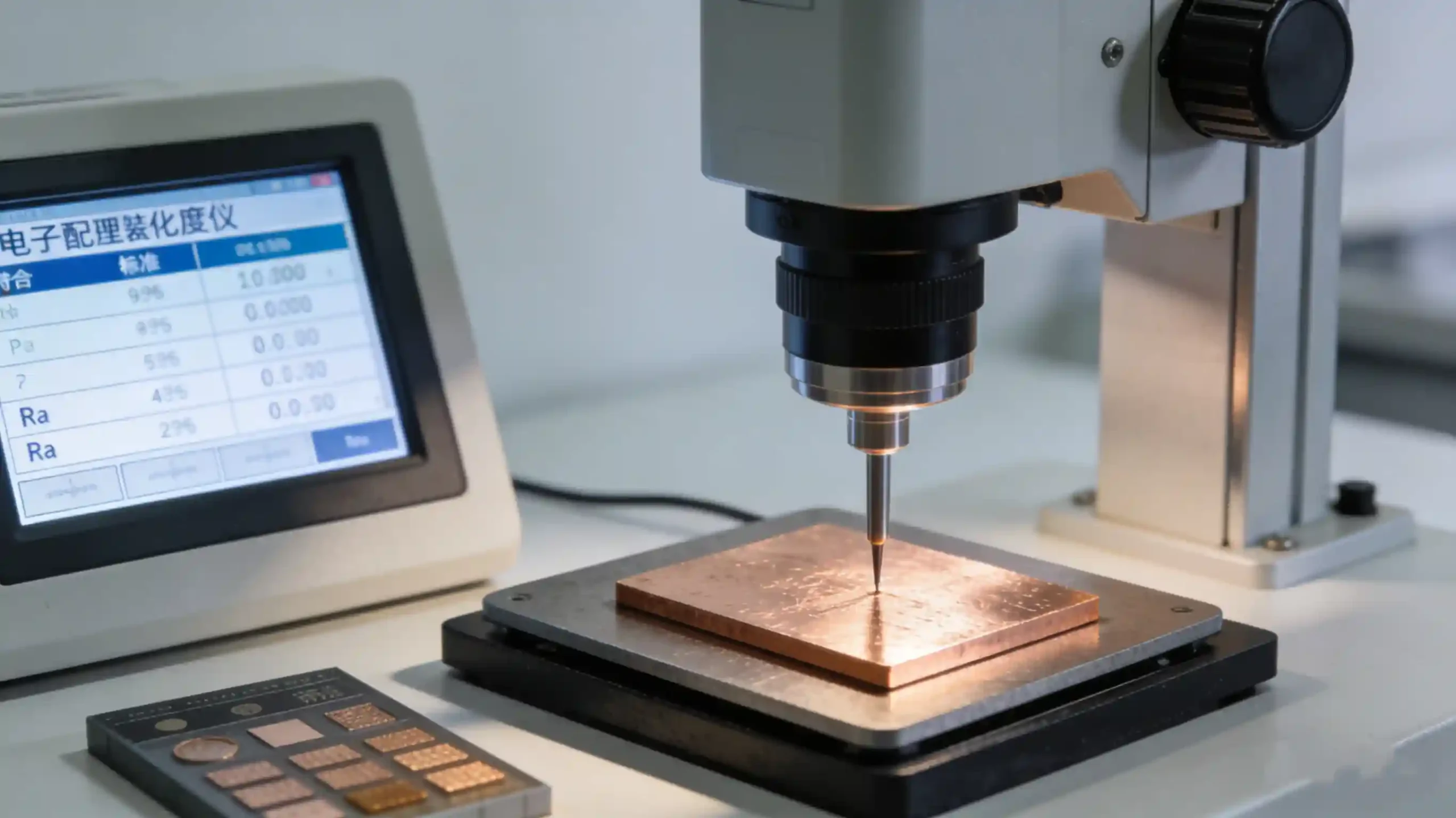
When operated within a proper process window, waterjet cutting of copper plates can deliver stable and controllable edge quality that satisfies most electronic component edge requirements. By optimizing water pressure, abrasive size, and feed rate, waterjet cutting [^1]significantly reduces burrs and the need for secondary finishing. Achieving a surface roughness (Ra) level within electronic assembly tolerances is the core reason this process is widely adopted. When compared against surface roughness [^2]standards, waterjet cutting offers superior batch-to-batch consistency.
Process window: Proper matching of pressure and cutting speed keeps edge striations uniform.
Material compatibility: Copper’s ductility allows smoother edges under cold cutting conditions.
Post-processing needs: In most cases, no additional polishing is required before assembly.
Batch consistency: Stable parameters ensure uniform quality across multiple production runs.
🔧 With proper control, waterjet cutting becomes a reliable solution for electronic copper components.
What factors influence smoothness?
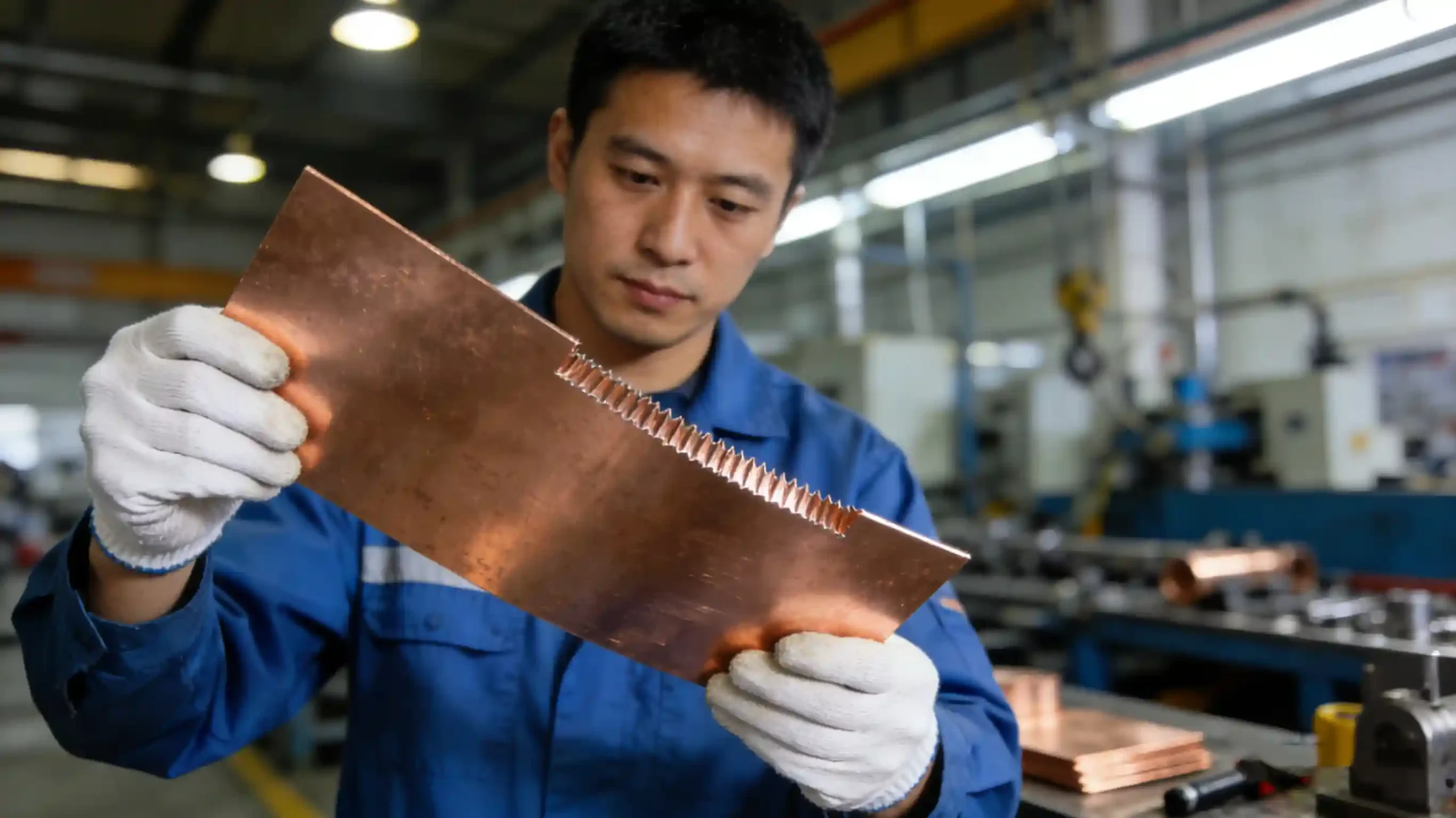
Edge smoothness is not determined by equipment alone but by the combined effect of multiple variables. Pressure stability, abrasive quality, and cutting path design all directly affect copper plate edges, while the properties of copper [^3]itself may amplify or mitigate these effects. In electronic component manufacturing, stability is often more critical than achieving extreme smoothness. By referencing ISO standards [^4]for cut quality classification, buyers can more rationally assess whether secondary operations are necessary.
Equipment stability: Consistent pressure output is the foundation of uniform edges.
Abrasive selection: Consistent grain size helps reduce micro-tearing.
Path planning: Proper lead-in and lead-out design minimizes edge defects.
Thickness control: Different copper thicknesses require tailored feed strategies.
📐 Smoothness is the result of systematic control, not a single variable.
Is it suitable for electronic mass production?
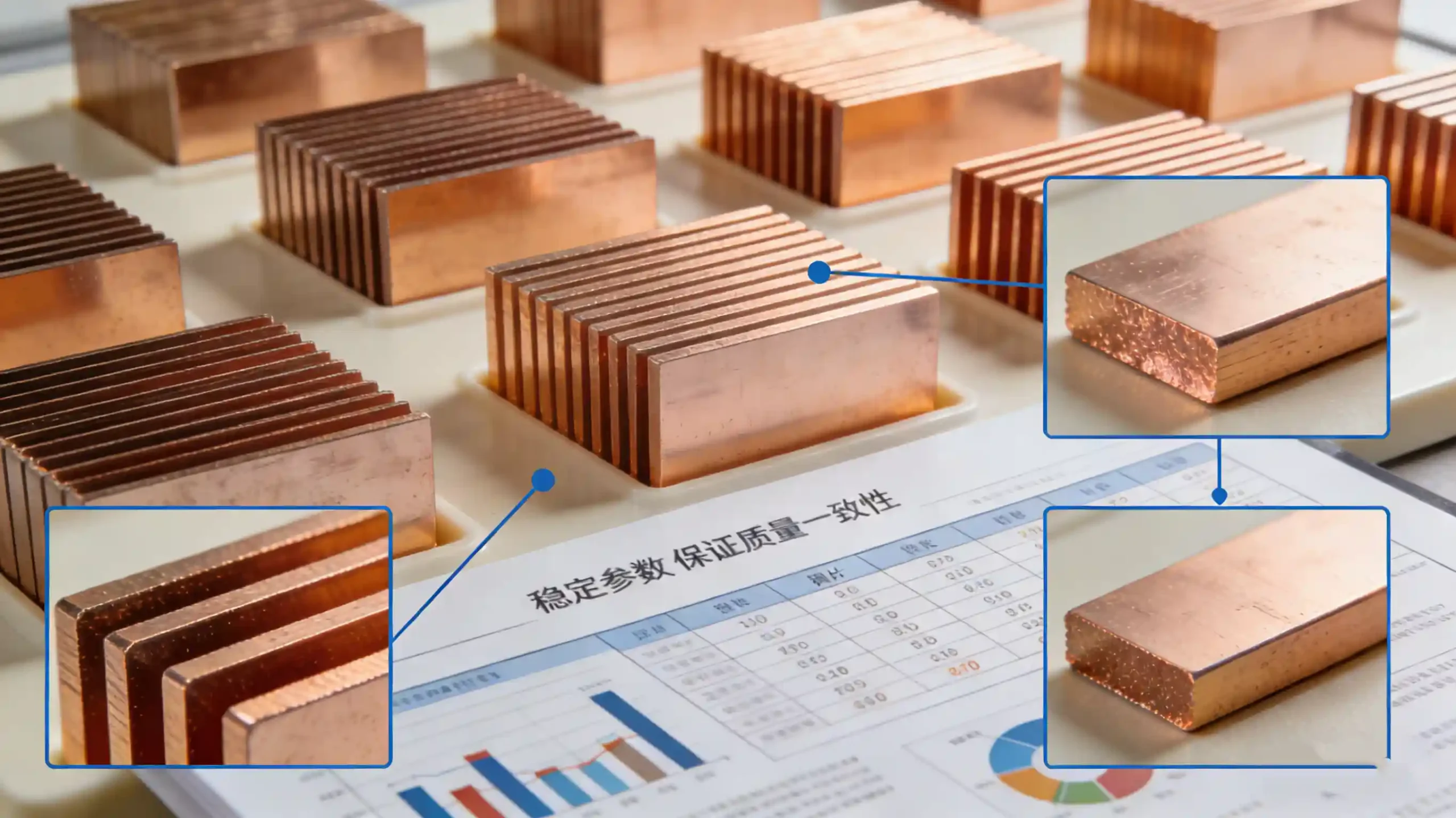
In electronic component mass production, the advantages of waterjet cutting lie in flexibility and consistency. The mold-free nature supports rapid prototyping and small-to-medium batch production, while the cold working [^5]process avoids thermal deformation. When edge quality is stable and predictable, waterjet cutting can naturally transition into mass-production decisions. Combined with structured quality control [^6]processes, it aligns well with electronic manufacturing rhythms.
Prototype-friendly: Sample quality closely matches mass-production results.
Lead time control: Reduced tooling dependency shortens decision cycles.
Consistency management: Parameter lock-in supports repeat orders.
Risk reduction: Minimizes rework caused by thermal distortion.
📦 Waterjet cutting offers a stable starting point for electronic component production.
Key process comparison
| Comparison Dimension | Waterjet Cutting | Laser Cutting | Stamping | Milling |
|---|---|---|---|---|
| Heat impact | None | Present | None | Low |
| Edge smoothness | Stable & controllable | High but discoloration risk | Moderate | High |
| Batch suitability | Small–medium | Medium–large | Large | Small |
| Design flexibility | High | Medium | Low | High |
Want to determine which process best fits your electronic copper part project?
contact us
Decision extension
In procurement decisions, buyers care most about whether a process can support a product from validation to stable delivery. The value of waterjet cutting in electronic copper components lies not just in cut quality, but in overall risk control. Xiamen Ruicheng helps clients evaluate whether hybrid process solutions are needed through early feasibility analysis. This type of support shifts machining services from “order execution” to “decision companionship.”
1.Early evaluation: Identify edge-related risks during the drawing stage.
2.Sample validation: Confirm real assembly performance through small batches.
3.Parameter locking: Establish stable baselines for repeat orders.
4.Long-term collaboration: Continuously optimize processing strategies as products evolve.
Frequently Asked Questions
Question: What is the minimum edge quality standard for your copper waterjet cutting service?
Answer: We define clear smoothness and burr-control criteria based on project needs, supported by in-process inspection and sample approval to ensure suitability for electronic assembly.
Question: What information is required to obtain a quotation?
Answer: CAD drawings, material specifications, thickness, and expected quantities are typically required. After submission via email or online channels, Xiamen Ruicheng provides process feedback and pricing within the agreed timeframe.
Question: How are lead times handled for different order volumes?
Answer: Samples and small batches focus on rapid validation, while batch orders follow production scheduling, with expedited options available when necessary.
Question: How are quality issues handled after delivery?
Answer: Approved samples serve as acceptance benchmarks. If deviations occur, parameters are adjusted or parts are reprocessed promptly to ensure usability.
Question: Do you support customized solutions for special electronic applications?
Answer: Yes. Based on actual operating conditions and assembly requirements, cutting strategies can be adjusted and combined-process recommendations provided.
Conclusion
Waterjet cutting of copper plates has matured into a process capable of meeting electronic component edge smoothness requirements. Its value extends beyond cutting itself to comprehensive manufacturing risk management. When machining services participate early in decision-making, edge quality becomes a controllable factor rather than an uncertainty. By collaborating with partners like Xiamen Ruicheng, manufacturers can advance electronic product production with greater confidence.
For expert assistance in implementing for your production needs, visit our resource center or contact us. Let’s help you scale up your manufacturing with precision and efficiency!
Email: marketing@chinaruicheng.com
WhatsApp: +8615980769781
Contact page: https://custommetalpro.com/contact-us/