Introduction
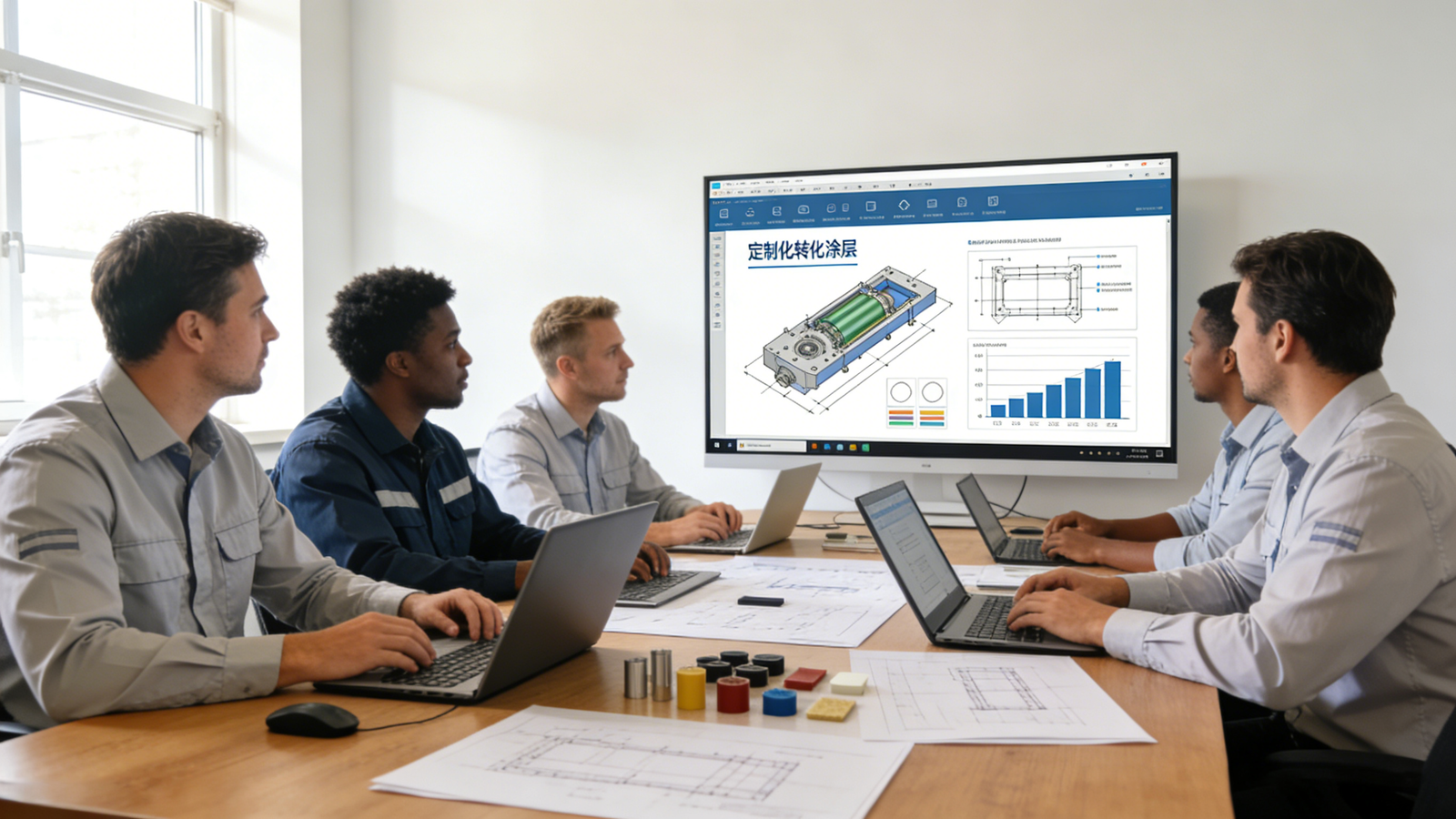
In automotive metal parts manufacturing, pretreatment before coating directly determines paint adhesion and long-term durability. Conversion coating has evolved from an optional process to a standard requirement in high-reliability applications. Conversion coating is not just a surface treatment, but the foundation that defines coating lifespan. Manufacturers often face trade-offs between cost, environmental compliance, and performance when selecting pretreatment solutions.
From Xiamen Ruicheng’s project experience, paint peeling issues are rarely caused by paint itself but rather by unstable pretreatment processes. A systematic conversion coating solution significantly reduces batch variability and failure risks. A stable pretreatment system is the key to achieving consistent large-scale production quality.
Can conversion coating really prevent paint peeling on automotive parts?
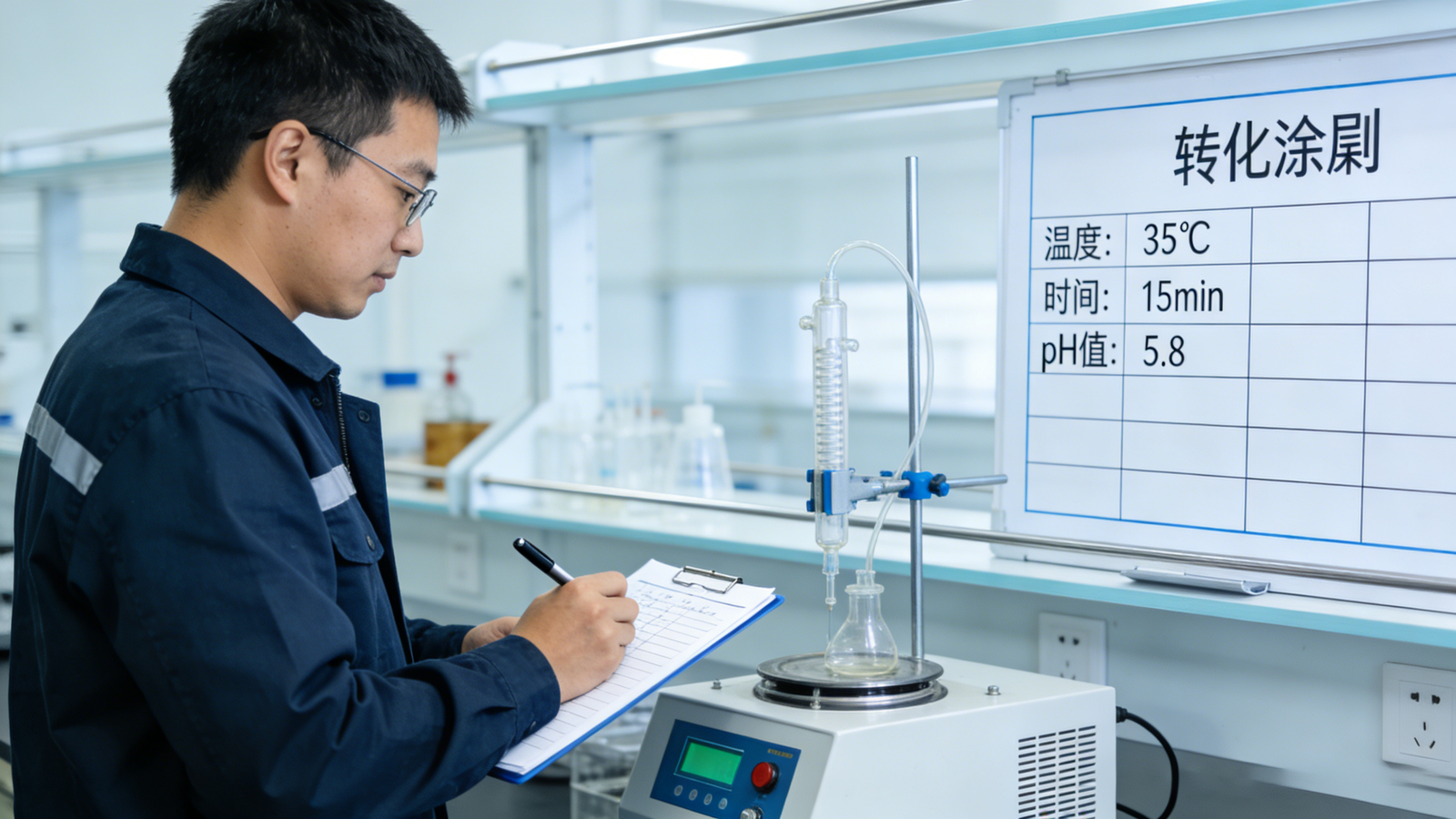
In automotive coating systems, conversion coating forms a dense chemical layer on the substrate, improving corrosion resistance and enhancing paint adhesion, which is the critical factor in preventing coating failure. By precisely controlling coating weight and surface activity, conversion coating significantly reduces the risk of paint delamination. At Xiamen Ruicheng, optimized pretreatment processes have improved salt spray resistance and ensured long-term durability in demanding environments.
Dense film structure: A compact layer blocks moisture and oxygen penetration.
Surface activation: Micro-roughness enhances mechanical bonding of paint.
Chemical bonding: Creates stable chemical links between coating and substrate.
Process stability: Controlled parameters ensure consistent production results.
😊 Conversion coating is the foundation of anti-peeling performance, not an optional upgrade.
Do different types of conversion coatings perform differently in automotive applications?
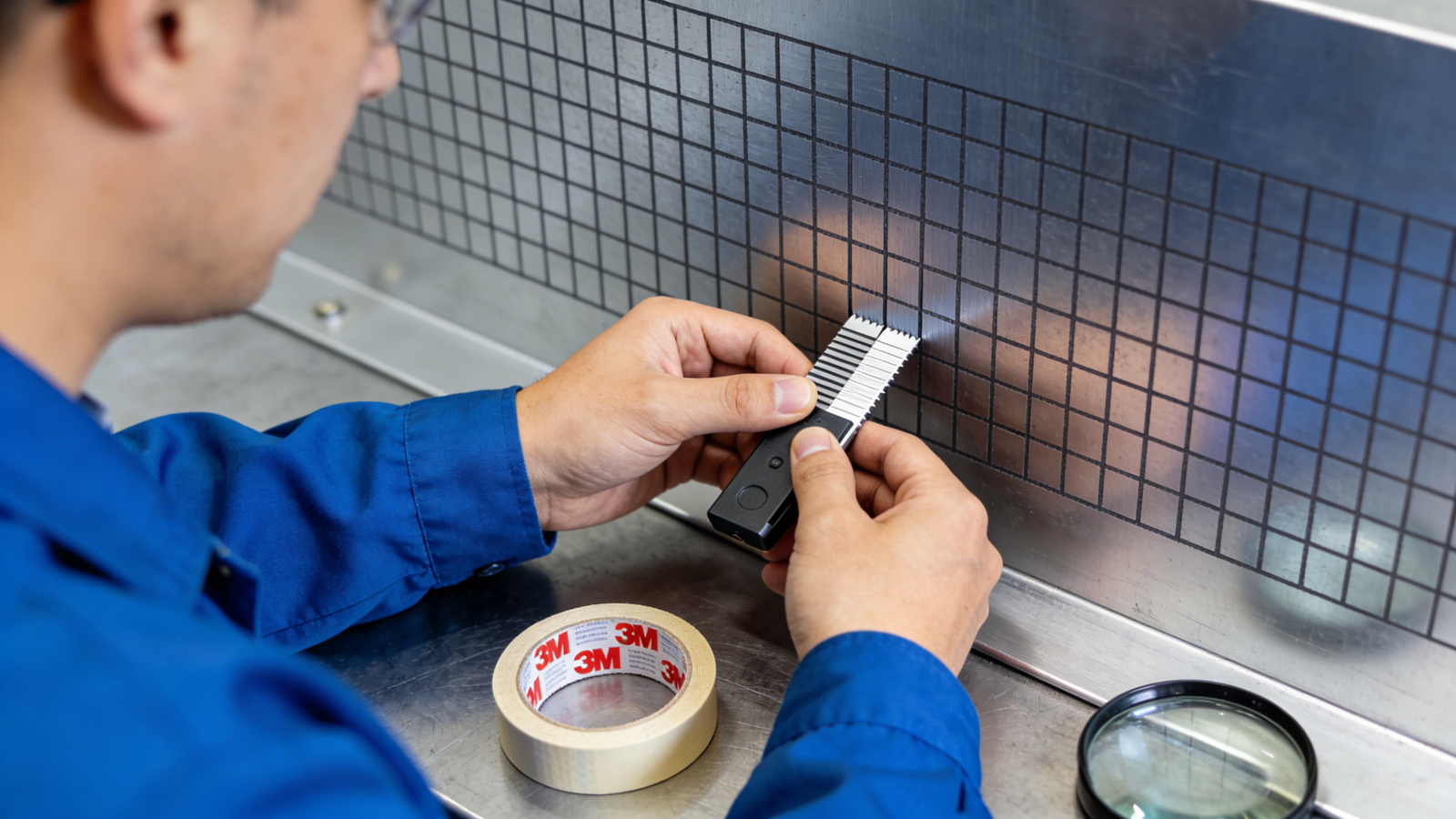
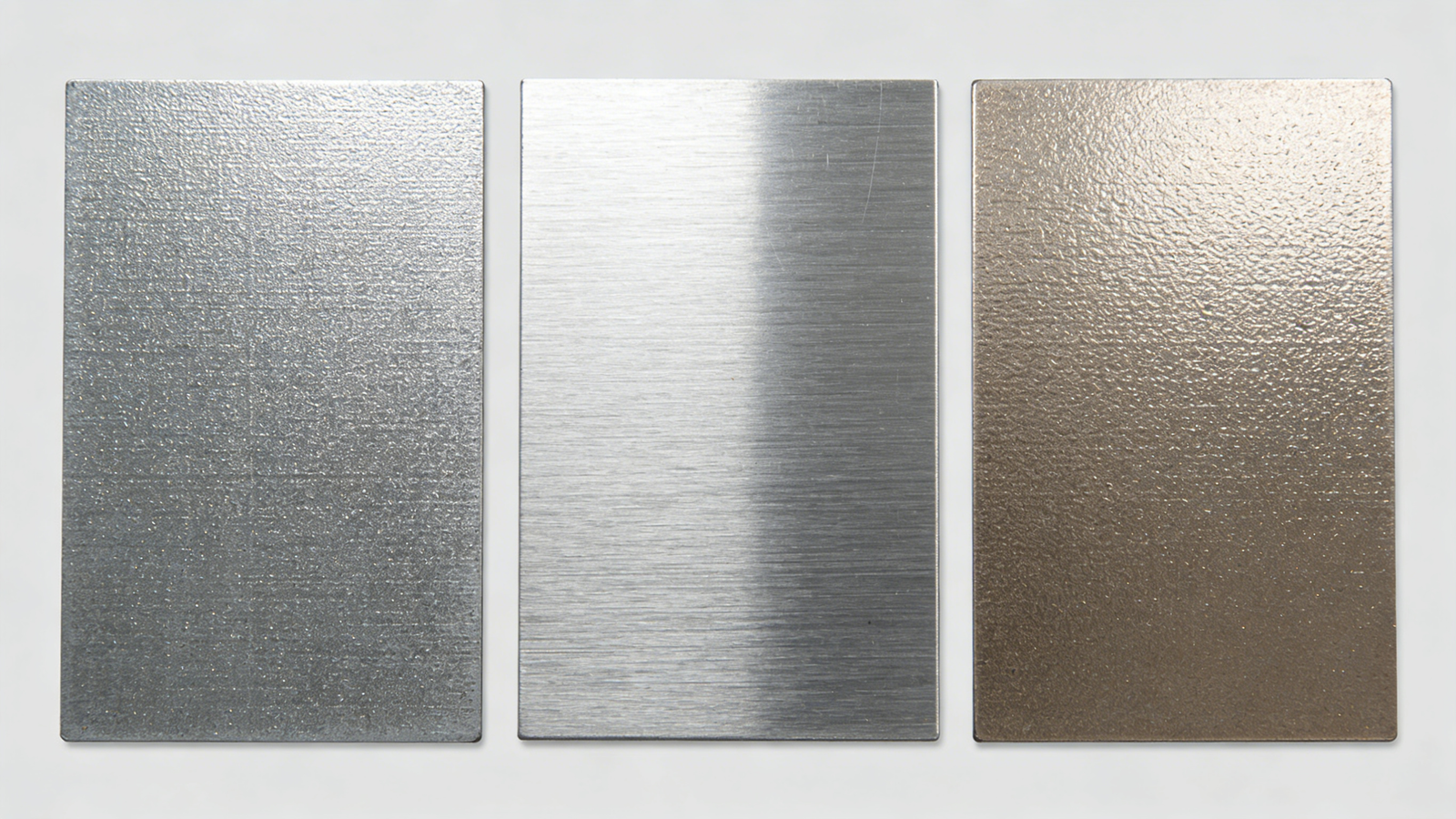
Different conversion coatings such as phosphating, zirconium-based systems, and chromium-free treatments vary significantly in performance and environmental compliance. Phosphate coating is widely used for heavy-duty corrosion protection, while chromate conversion coating and chromium-free alternatives are more aligned with modern environmental regulations. Choosing the wrong coating system can lead to poor adhesion or long-term corrosion issues. Xiamen Ruicheng evaluates materials, environments, and cost factors to ensure optimal process selection.
Phosphating: Suitable for heavy-duty corrosion resistance but less eco-friendly.
Zirconium coating: Low-temperature, environmentally friendly, automation-ready.
Chromium-free systems: Compliant with global environmental standards.
Application matching: Selection depends on substrate and service conditions.
🔍 The right choice matters more than simply using a coating.
How to choose a reliable conversion coating supplier and processing service?
In procurement, price alone cannot determine the reliability of a solution. The capability of a surface treatment supplier and their quality management system directly impact production stability. A reliable supplier with strong process control is essential to prevent recurring paint failures. Xiamen Ruicheng ensures seamless transition from prototyping to mass production through standardized workflows and multi-stage inspection systems.
Process validation: Testing samples to confirm real-world performance.
Parameter control: Strict monitoring of coating weight, temperature, and time.
Inspection system: Dual verification of adhesion and corrosion resistance.
Delivery capability: Consistent batch output with rapid response support.
🚀 Supplier capability defines the upper limit of product quality.
Conversion Coating Comparison and Selection Guide
| Process Type | Adhesion | Environmental Impact | Cost | Application | Stability | Automation | Industry Use |
|---|---|---|---|---|---|---|---|
| Phosphating | High | Medium | Medium | Structural parts | High | Medium | Automotive chassis |
| Zirconium | Medium-High | High | Medium-High | Precision parts | High | High | Electronics & auto |
| Chromium-free | Medium | High | Medium | Export parts | Medium-High | High | Exterior components |
| Basic Cleaning | Low | High | Low | Low-demand use | Low | High | Temporary parts |
Get a tailored conversion coating solution for your project now: contact us
From Paint Failure Risk to Stable Mass Production
In automotive manufacturing, moving from successful prototyping to stable mass production requires a repeatable pretreatment system. Xiamen Ruicheng transforms conversion coating from experience-based processing into a controlled and standardized workflow. Reducing paint peeling risk relies on system-level process control rather than a single technique. Through early validation, process optimization, and batch monitoring, manufacturers can achieve both performance reliability and cost efficiency.
1.Initial validation: Identify the best process combination through testing.
2.Process optimization: Adjust parameters based on real data.
3.Batch control: Establish standardized production procedures.
4.Continuous improvement: Optimize through feedback and iteration.
FAQ – Procurement & Decision Guide
Question 1: What are the core advantages of your conversion coating pretreatment service?
Answer: Our process complies with ISO 9001 standards, with coating weight controlled between 0.5–1.5 g/m². We conduct adhesion and salt spray tests to ensure long-term durability for automotive applications.
Question 2: What information is required to get a quotation for conversion coating services?
Answer: You need to provide CAD drawings, material specifications, and application conditions. Submit via email or online, and Xiamen Ruicheng will respond within 12 hours with a process recommendation and quotation.
Question 3: What are your MOQ and lead time for different order volumes?
Answer: Prototype orders start from 50 pieces with a lead time of 3–5 days. Mass production typically takes 7–10 days, with expedited options available for urgent orders.
Question 4: How do you handle quality issues such as paint peeling?
Answer: We offer inspection within 7 days after delivery. If issues are confirmed, corrective actions or reprocessing will be arranged within 48 hours, along with full inspection reports.
Question 5: Do you support customized conversion coating solutions?
Answer: Yes, we provide customized solutions based on temperature, humidity, and usage conditions. Detailed requirements are needed, and solutions are delivered within 3 working days with cost adjustments based on complexity.
Conclusion
Conversion coating plays a critical role in automotive metal part pretreatment and serves as the foundation for preventing paint peeling. Proper selection and process control significantly enhance coating adhesion and durability. Achieving consistent quality depends on systematic process management rather than isolated techniques. Partnering with experienced suppliers like Xiamen Ruicheng ensures reduced risk and efficient mass production.
For expert assistance in implementing solutions for your production needs, visit our resource center or contact us. Let’s help you scale up your manufacturing with precision and efficiency!