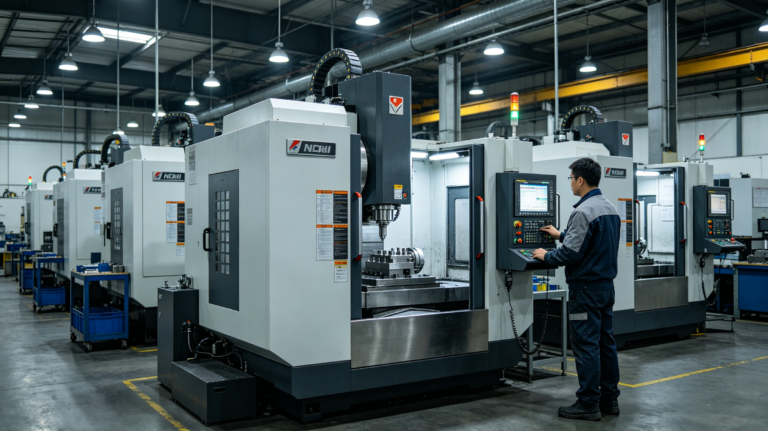
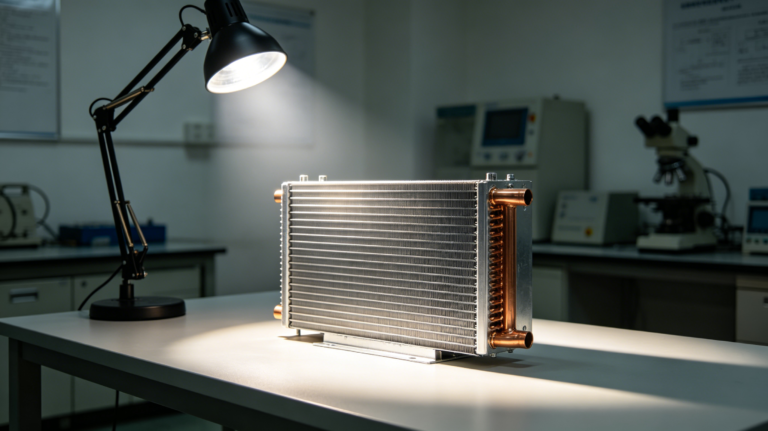
High-Frequency Wear Challenge in Packaging Systems
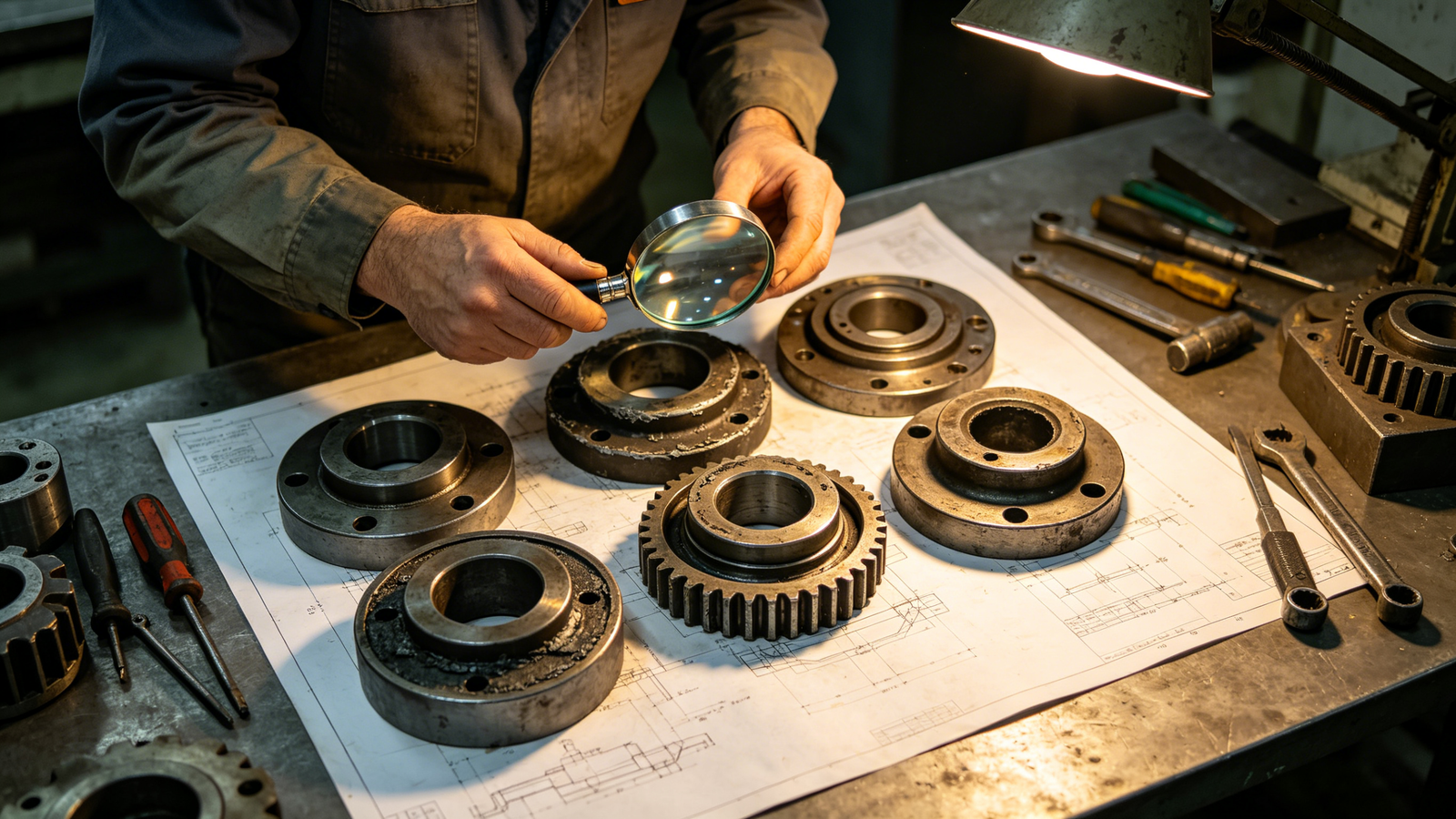
Packaging machinery operates under continuous high-speed cycling, frequent start-stop motion, and sustained mechanical contact. In such environments, CNC precision milling parts are exposed to constant friction, and insufficient wear resistance quickly leads to downtime, misalignment, and rising maintenance costs. Xiamen Ruicheng, as a professional CNC precision manufacturing supplier, focuses not only on dimensional accuracy but also on the real operational durability of components used in automated filling, labeling, sealing, and conveying systems. The real performance bottleneck in packaging machinery is not machining precision alone, but the overall wear-resistance system under continuous load conditions.
Many procurement decisions initially focus on material grade and unit price, while overlooking the combined effects of heat treatment, surface finish, and dynamic loading conditions. In real production environments, these hidden factors determine whether a component lasts 3 months or 3 years. Xiamen Ruicheng integrates operational cycle frequency, contact stress, and lubrication conditions to design wear-resistant CNC precision milling solutions tailored for high-speed packaging lines. Lifecycle-based engineering thinking consistently delivers more stable machine uptime than parameter-only selection.
How Can Material Selection Truly Ensure Wear Resistance of CNC Precision Milling Parts?

Packaging machinery components such as guide rails, cam systems, sliding blocks, and transmission interfaces operate under continuous frictional loads. Therefore, material selection cannot rely on basic stainless steel assumptions. In high-frequency production environments, CNC precision milling parts must be engineered with wear resistance as a system property rather than a single material attribute. Xiamen Ruicheng typically selects tool steels such as D2 or SKD11, combined with controlled heat treatment and surface strengthening to achieve stable performance under cyclic load conditions. Additional reference on material strengthening mechanisms can be found in heat treatment engineering. The balance between hardness, toughness, and surface integrity determines whether a component survives long-term continuous operation.Beyond material grade, lubrication stability, contact geometry, and vibration frequency significantly affect wear progression. Even high-hardness materials can fail prematurely if surface interaction is not properly engineered. This is why Xiamen Ruicheng evaluates each packaging machinery project based on real operating conditions rather than theoretical specifications.
Material Matching Strategy: Selection is based on cycle speed, load intensity, and contact behavior instead of generic catalog grades.
Heat Treatment Control: Vacuum hardening improves surface durability while maintaining dimensional stability under machining stress.
Surface Integrity Management: Controlled surface roughness reduces friction heat accumulation and micro-crack formation.
Application Simulation: Xiamen Ruicheng aligns material choice with real machine operating profiles.
🛠️ Wear resistance is never a single material property—it is a system-level engineering outcome.
How to Validate Wear Test Data Before Purchasing CNC Machined Components?
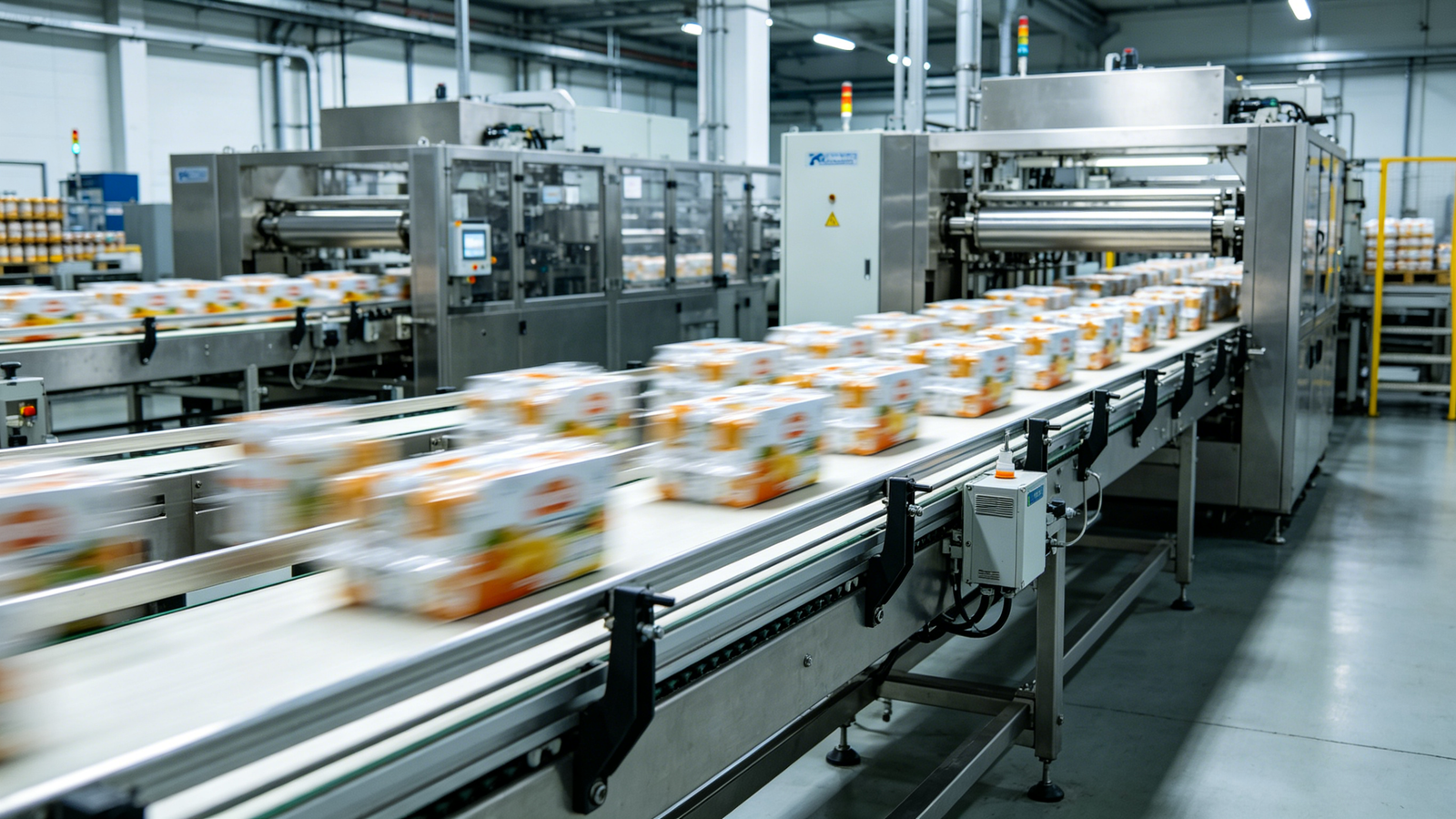
In industrial procurement, hardness reports alone cannot represent real wear resistance under continuous operation. True validation requires dynamic wear testing and simulation aligned with actual packaging machinery cycles. Wear behavior analysis must reflect real contact pressure, motion frequency, and lubrication environment. Xiamen Ruicheng integrates friction coefficient evaluation, wear rate tracking, and dimensional drift monitoring into its engineering validation process to ensure predictable long-term performance. Only simulation data that reflects real operating cycles can be trusted for procurement decisions.In high-speed packaging systems, failure rarely occurs as sudden fracture; instead, it manifests as gradual precision loss caused by progressive wear. This directly affects filling accuracy, sealing consistency, and production yield stability.
Dynamic Simulation Testing: Multi-cycle testing better reflects actual machine behavior than static hardness measurements.
Wear Curve Tracking: Long-term degradation trends are more important than single-point test results.
Machine-Specific Matching: Different packaging speeds create significantly different wear mechanisms.
Third-Party Validation: Independent testing reduces procurement risk in mass production environments.
📈 Reliable wear resistance is defined by long-term stability, not short-term laboratory performance.
Why Precision and Wear Resistance Must Be Engineered Together in High-Speed Systems
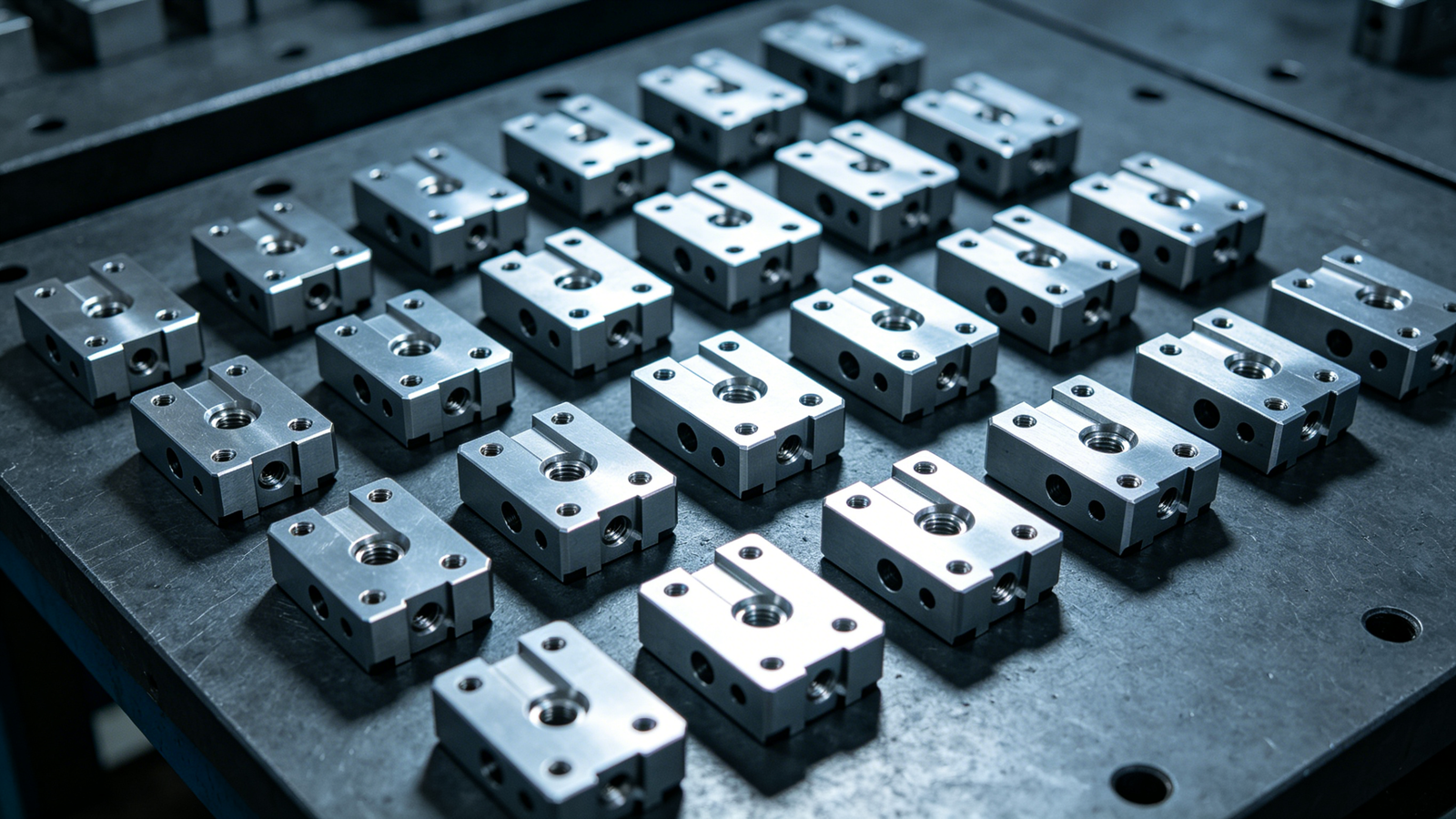
Many procurement strategies evaluate wear resistance and machining precision separately, but in high-speed packaging machinery, these two factors are deeply interconnected. High-precision machining reduces misalignment, uneven load distribution, and localized stress concentration, all of which directly affect wear progression. Advanced precision engineering and CNC machining processes ensure consistent geometry and stable assembly behavior over long operating cycles. The real durability of CNC components is determined by the synergy between precision geometry and wear-resistant structure design.Xiamen Ruicheng emphasizes tolerance control, surface uniformity, and contact consistency during machining to prevent localized friction hotspots that can accelerate failure in packaging machinery systems.
Dimensional Stability: Tight tolerances reduce impact wear during continuous operation.
Load Distribution Balance: Uniform contact prevents localized fatigue failure.
Machining Path Optimization: Toolpath strategy improves surface consistency and durability.
Lifecycle Control: Stable precision extends maintenance intervals in production lines.
⚙️ In high-frequency equipment, wear resistance is ultimately a function of geometric stability and mechanical consistency.
Wear Resistance Evaluation Comparison Table for Packaging Machinery
| Evaluation Criteria | Standard Machined Parts | Heat-Treated Parts | Standard Wear-Resistant Parts | Xiamen Ruicheng Solution |
|---|---|---|---|---|
| Material Stability | Medium | Higher | High | Very High |
| High-Frequency Wear Resistance | Low | Medium | High | Optimized |
| Long-Term Dimensional Accuracy | Unstable | Moderate | Stable | Highly Stable |
| Continuous Operation Lifespan | Short | Medium | Long | Extended |
| Dynamic Testing Capability | None | Limited | Standard | Customized Simulation |
| Packaging Machine Compatibility | Basic | Moderate | Good | Fully Integrated |
For engineering consultation and wear-optimized CNC precision milling solutions, please reach out via contact us to receive application-specific recommendations from Xiamen Ruicheng.
How Xiamen Ruicheng Reduces Long-Term Wear Risk for Packaging Equipment
In packaging automation, total cost is not defined by unit price alone, but by downtime cost, maintenance frequency, and lifecycle stability. Xiamen Ruicheng integrates material science, machining strategy, heat treatment optimization, and application engineering to deliver CNC precision milling parts designed for continuous high-frequency operation. The ultimate goal is not just to manufacture components, but to ensure stable and predictable machine performance over time.For high-speed packaging projects, Xiamen Ruicheng also provides engineering guidance on wear reduction strategies and lifecycle validation to help OEMs minimize long-term operational risks.
1.Application Analysis: Matching wear solutions with real machine cycle behavior.
2.Machining Optimization: Reducing micro-defects that trigger premature wear.
3.Testing Support: Validating long-term durability under simulated conditions.
4.Lifecycle Service: Continuous optimization for production stability.
Packaging Machinery Wear Resistance FAQ
Q1: What is the core advantage of your CNC precision milling parts in wear resistance?
Xiamen Ruicheng designs wear-resistant solutions based on real packaging machinery conditions, selecting tool steels such as D2 and SKD11 combined with controlled heat treatment, hardness testing, and dynamic wear simulation to ensure stable performance under continuous operation.
Q2: What information is required to receive a quotation quickly?
Customers are recommended to provide 2D drawings, 3D models, operating cycle frequency, contact load conditions, and estimated volume. Xiamen Ruicheng performs initial engineering evaluation and provides a structured quotation with process recommendations.
Q3: How are delivery time and order quantities managed?
Prototype orders support small batch validation, while mass production scheduling depends on complexity and capacity. For high-frequency packaging projects, priority production and testing validation can be arranged.
Q4: How are wear issues handled after delivery?
Xiamen Ruicheng evaluates issues based on drawings, operating conditions, and testing data. If manufacturing-related issues are confirmed, corrective actions and replacements are arranged promptly.
Q5: Can custom wear-resistant solutions be developed for special machines?
Yes. Custom engineering solutions are available based on machine structure, cycle speed, and operating environment, including material upgrades, surface treatments, and lifecycle optimization testing.
Conclusion
Wear resistance requirements for CNC precision milling parts in packaging machinery are evolving from simple hardness-based selection to system-level performance validation under real operating conditions. Material selection, machining precision, heat treatment, and application environment must be evaluated together to ensure long-term reliability. Only wear solutions validated under real high-frequency operation can effectively reduce downtime and maintenance risks in packaging systems. Xiamen Ruicheng provides engineered CNC solutions designed specifically for high-speed continuous production environments.
For expert assistance in implementing for your production needs, visit our resource center or contact us. Let’s help you scale up your manufacturing with precision and efficiency!