Introduction
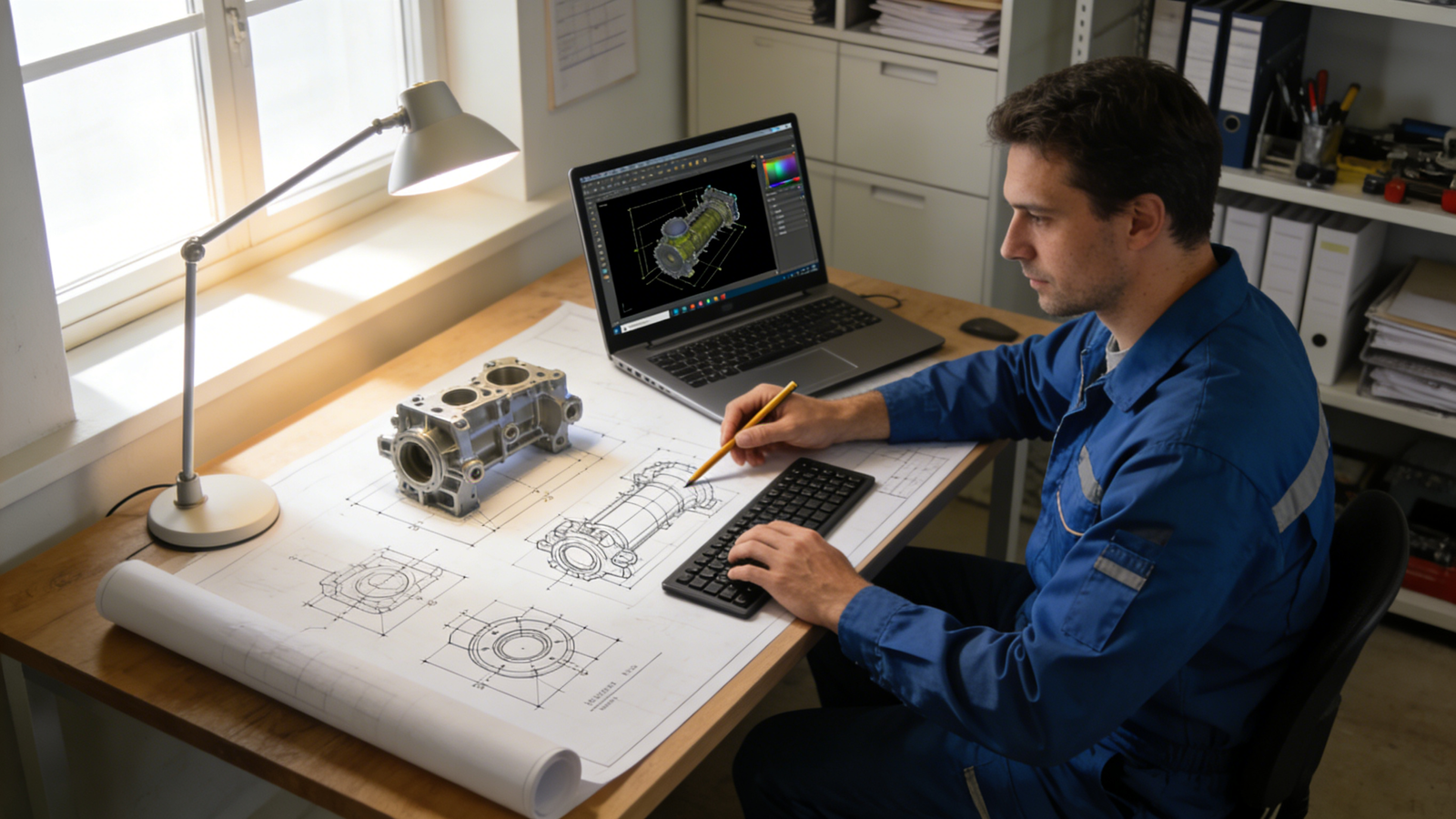
Irregular forged components used in automotive power systems demand high strength, precision, and consistency, where even minor deviations during production can escalate into assembly failures and performance risks. Within multi-stage manufacturing processes, split machining becomes a critical variable that directly affects overall product reliability.
In real-world projects, Xiamen Ruicheng integrates forging and machining capabilities into a unified workflow, aligning design, process, and validation to minimize inconsistencies caused by segmented production. Replacing fragmented manufacturing with system-level process integration is becoming a key direction for modern automotive supply chains.
How Does Split Design Influence Machining Risk?
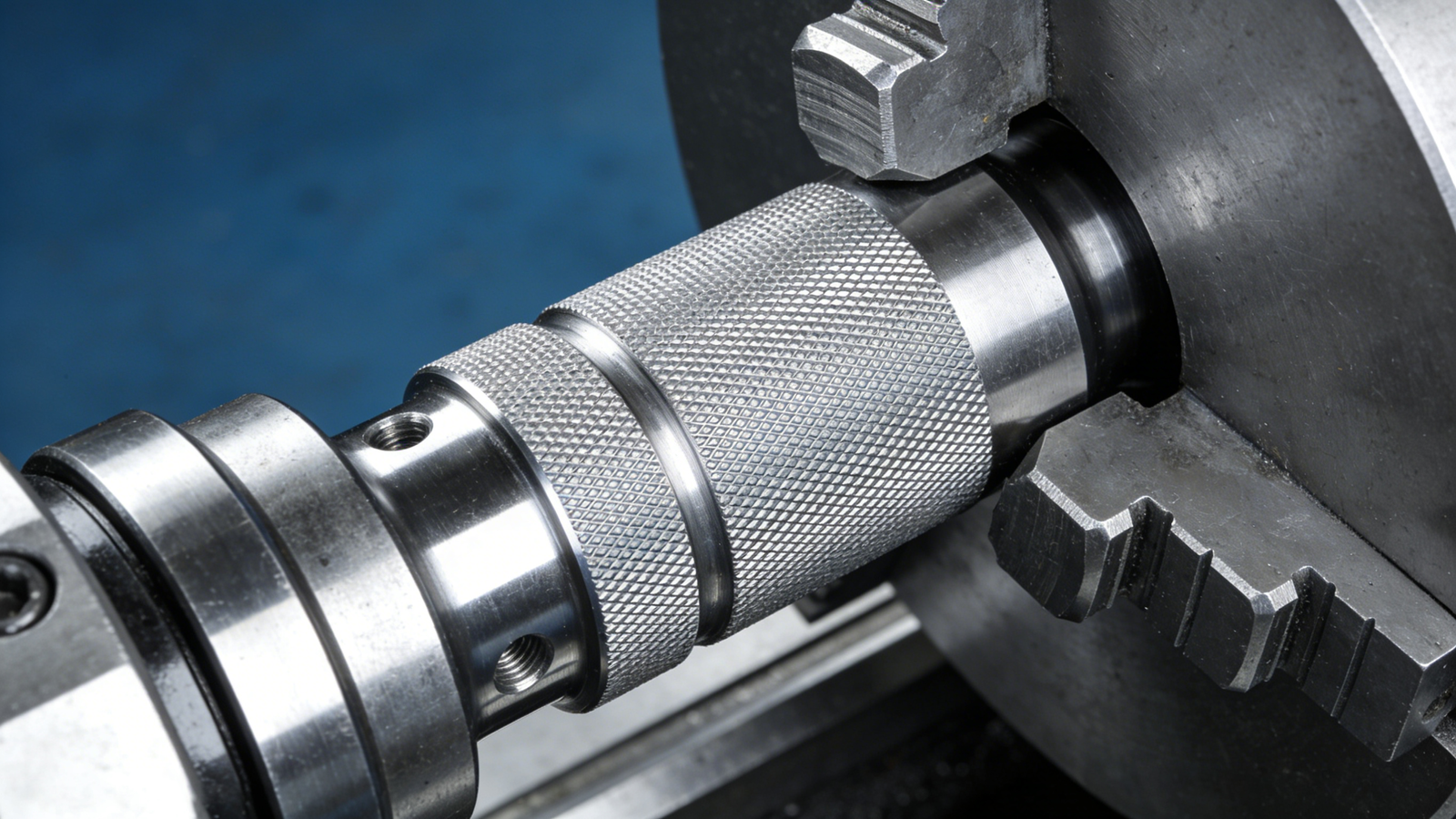
When irregular automotive forgings are designed as split structures, they often introduce additional sources of deviation during machining and assembly, such as misalignment, stress concentration, and welding distortion, especially in transitions between forging processes and machining operations. Without systematic validation, split designs can directly compromise mechanical performance and dimensional consistency. Xiamen Ruicheng emphasizes early-stage DFM analysis to eliminate risks at the design phase, reducing downstream processing complexity and cost.
Integrated structure priority: Adopting single-piece forging reduces cumulative tolerance errors.
Parting line optimization: Proper parting line design minimizes assembly misalignment.
Stress flow control: Continuous grain flow enhances fatigue resistance and durability.
Unified datum system: Consistent reference points prevent deviation transfer across processes.
🙂 Design decisions define the upper limit of manufacturing risk.
Why Does a Fragmented Process Chain Amplify Errors?
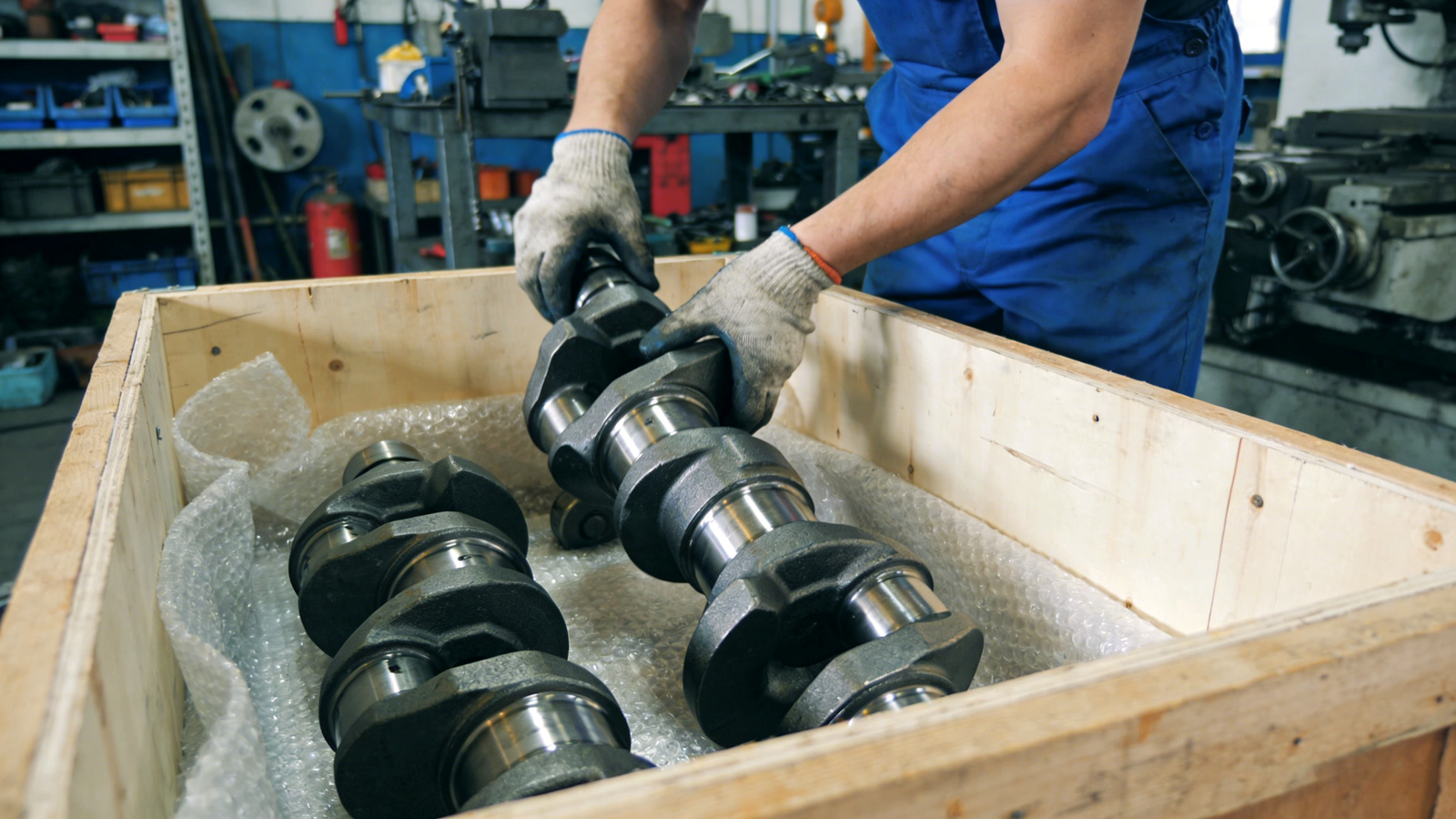
Under split machining models, inconsistencies across different suppliers or processes often lead to accumulated tolerance errors, particularly when standards differ between heat treatment and CNC machining. Lack of process consistency across the supply chain is a core factor driving risk amplification in split manufacturing. Xiamen Ruicheng minimizes these risks by integrating forging, heat treatment, and finishing processes into a closed-loop system, reducing dependency on external vendors.
Process discontinuity: Lack of unified standards causes mismatch between stages.
Equipment variation: Different machine capabilities impact dimensional accuracy.
Data inconsistency: Parameter transfer errors accumulate across processes.
Traceability challenges: Multi-node production complicates root cause analysis.
⚙️ The more fragmented the process, the harder it is to control risk.
How Can Process Integration Reduce Split Machining Risks?
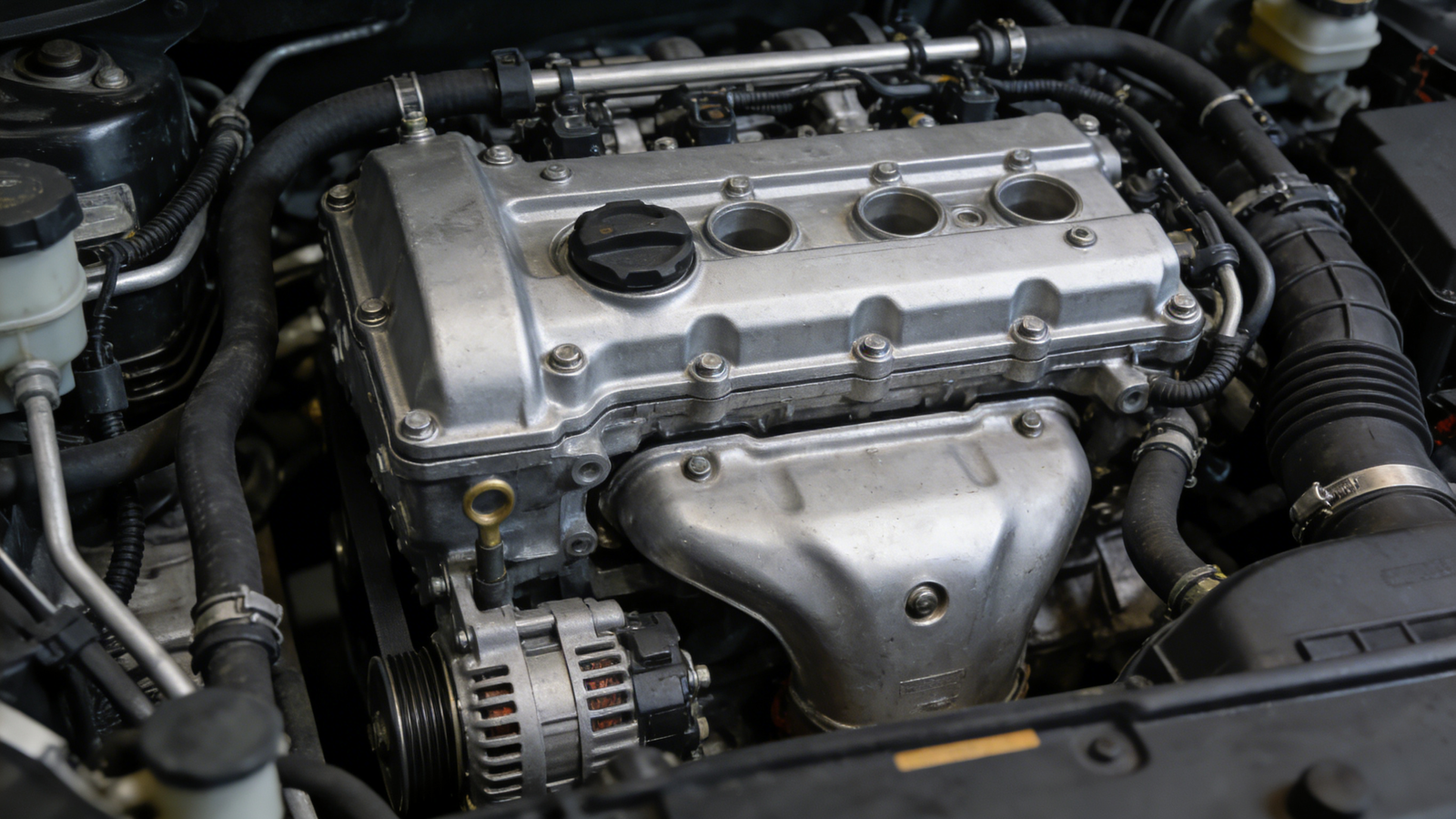
By integrating key processes such as precision die forging and non-destructive testing, manufacturers can significantly reduce structural defects and performance variability associated with split machining. Integrated manufacturing improves precision control while shortening development cycles and reducing validation costs. Xiamen Ruicheng provides a one-stop solution from tooling to final machining, ensuring stable and traceable production outcomes.
Integrated manufacturing model: Eliminates intermediate errors and communication gaps.
High-precision tooling: Tooling accuracy directly determines forging quality.
Early-stage inspection: Detects defects before they propagate downstream.
Closed-loop data control: Enables full traceability and quality consistency.
🚀 Integration is the key to minimizing split machining risks.
Comparison of Manufacturing Approaches for Risk Control
| Criteria | Split Machining | Semi-Integrated | Fully Forged | Xiamen Ruicheng Solution |
|---|---|---|---|---|
| Precision Control | High variation | Moderate | High consistency | Full-process control |
| Cost Structure | Low initial, high hidden | Balanced | Stable | Optimized total cost |
| Lead Time | Unstable | Controlled | Stable | Fast response |
| Risk Level | High | Medium | Low | Minimal |
Looking to reduce machining risks and improve product consistency? Reach out for tailored solutions 👉 contact us
Why Integrated Forging Is Becoming the Industry Standard
As automotive powertrain components demand higher reliability and lightweight performance, traditional split machining methods reveal limitations in cost, risk, and lead time. Integrated forging solutions reduce assembly steps and improve structural integrity, making them the preferred approach. For high-load and complex geometries, integrated manufacturing is no longer optional but essential. Xiamen Ruicheng continuously enhances its process capabilities to deliver competitive and reliable solutions for global clients.
1.Reduced assembly error: Single-piece forming eliminates alignment issues.
2.Improved structural strength: Continuous grain flow enhances durability.
3.Shorter development cycle: Fewer validation stages accelerate production.
4.Optimized total cost: Lower rework and defect-related losses.
FAQ
Question 1: What are the core advantages of your automotive forging solutions?
Answer: Xiamen Ruicheng provides high-precision forged parts with tolerances up to ±0.1mm, using closed-die forging combined with triple-stage NDT to ensure performance in high-load applications.
Question 2: What information is required to get a quotation?
Answer: Please provide 3D drawings, material specifications, and estimated order volume. We respond within 2 hours and deliver a detailed quotation with process analysis within 12 hours.
Question 3: What are your MOQ and lead time policies?
Answer: MOQ starts at 50 units for prototyping, with price advantages for orders above 500 units. Standard lead time is 7–10 days, with expedited options available within 72 hours.
Question 4: How do you handle quality or delivery issues?
Answer: We support quality inspection within 7 days of delivery. Confirmed issues are resolved within 48 hours, with replacement or refund options. Core components include a 12-month warranty.
Question 5: Do you support custom development?
Answer: Yes, we offer full customization based on application conditions. Provide working environment parameters, and we deliver solutions within 3 working days with transparent cost adjustments.
Conclusion
The risks associated with split machining in automotive irregular forgings stem from misalignment between design, process, and supply chain coordination. Integrated manufacturing effectively reduces tolerance accumulation and improves overall reliability. Xiamen Ruicheng delivers end-to-end solutions from design to production, ensuring consistency and efficiency. Choosing an integrated manufacturing partner is a strategic decision to minimize risk and maximize performance.
For expert assistance in implementing solutions for your production needs, visit our resource center or contact us. Let’s help you scale up your manufacturing with precision and efficiency!