Introduction
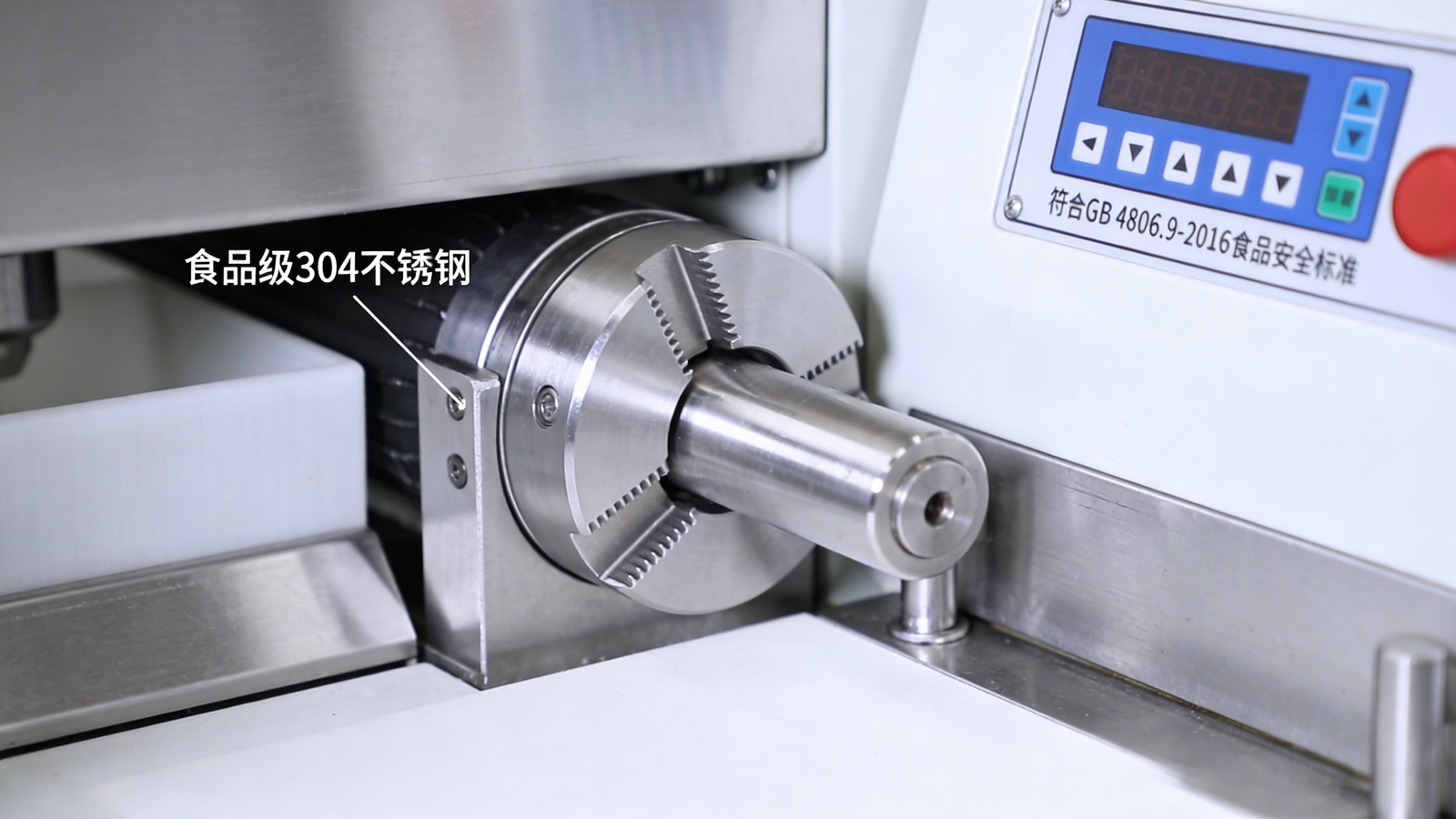
Stainless steel CNC milling parts used in food processing equipment directly affect food safety, regulatory audits, and long-term operational risks. If procurement decisions focus only on price and lead time while overlooking FDA food-contact requirements, hidden compliance issues often emerge during inspections or export audits.Mature food manufacturers treat FDA compliance as a sourcing prerequisite rather than a post-production correction.
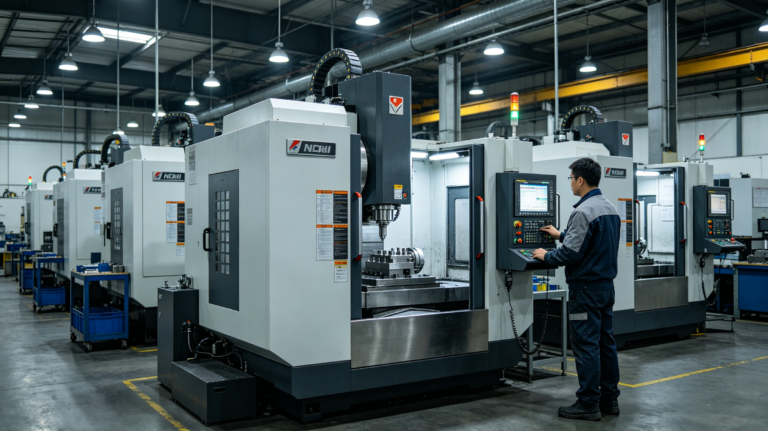
As a metal manufacturing partner deeply involved in the food equipment industry, Xiamen Ruicheng has established a systematic approach covering material selection, machining control, and compliance documentation for stainless steel CNC milling parts. FDA compliance is not a statement—it is a verifiable process supported by traceable data and controlled manufacturing practices.
How can stainless steel materials be verified for FDA food-contact compliance?

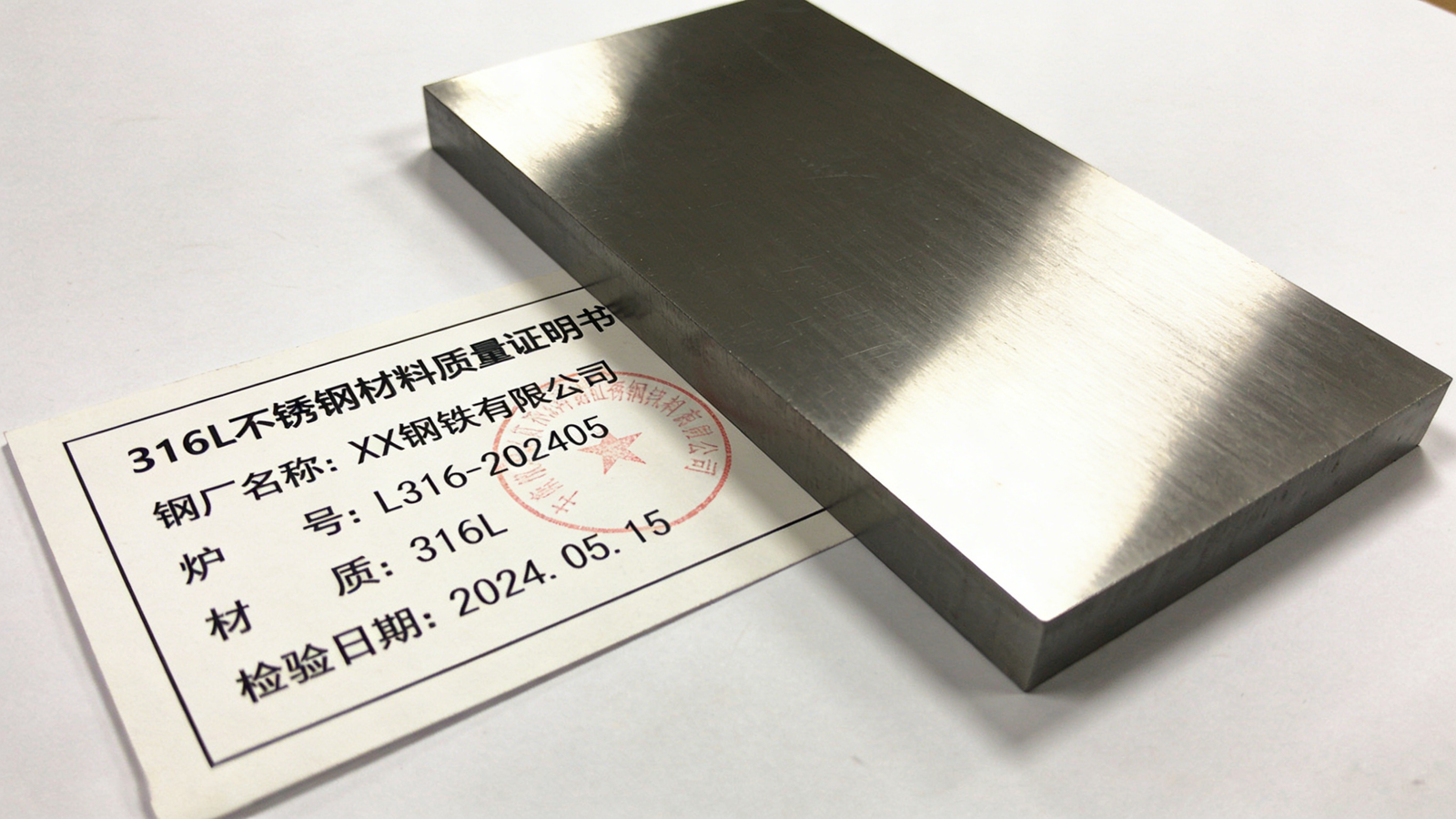
When sourcing stainless steel CNC milling parts, food factories must confirm that the material itself is suitable for food-contact environments, not merely labeled as “stainless steel.” FDA oversight for metal food-contact materials focuses on chemical stability, cleanability, and long-term safety, commonly referencing standards such as FDA 21 CFR. Selecting materials such as 316L stainless steel and ensuring full traceability is the foundation of FDA-compliant procurement. At Xiamen Ruicheng, every batch of stainless steel CNC milling parts is supported by complete Material Test Reports (MTR), ensuring compositional and sourcing transparency.
Material composition: Key alloy elements such as chromium and nickel must meet food-contact expectations.
Traceability: Original mill certificates are essential for FDA audits.
Application context: Different food types impose different corrosion-resistance demands.
Supplier accountability: The manufacturer must understand food-grade risk profiles.
🥗 Food-grade compliance starts at the raw material stage, not after production.
Does the CNC machining process affect FDA compliance?
Even when the base material meets food-contact requirements, improper machining practices can compromise compliance. Residual cutting fluids, cross-contamination, and uncontrolled shop environments are frequent FDA audit concerns, particularly for exported food machinery. What truly matters is whether CNC milling processes are designed around food-grade manufacturing principles. Xiamen Ruicheng applies food-industry-aligned workflows and references Good Manufacturing Practice (GMP) concepts to reduce systemic compliance risks.
Machining environment: Controlled production zones minimize contamination risks.
Process control: Stable machining parameters ensure consistent surface quality.
Cleaning procedures: Post-machining cleaning and drying are standard audit checkpoints.
Process documentation: Traceable production records strengthen audit readiness.
🛠️ FDA compliance depends on process discipline, not just material selection.
Why are surface finishing and roughness critical in FDA audits?
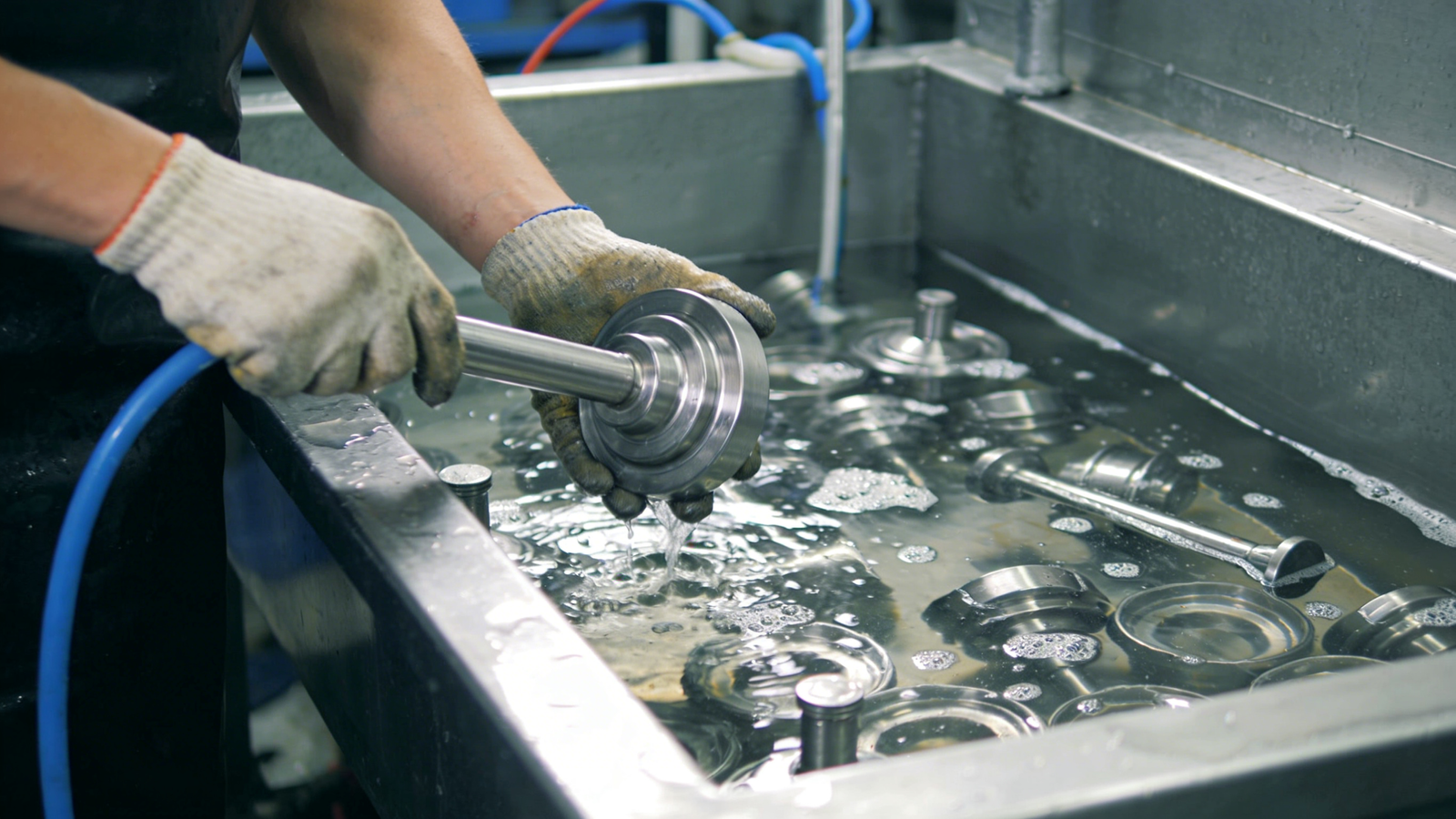
In FDA inspections of food equipment, surface condition often outweighs dimensional tolerances. Excessive surface roughness can harbor residues and bacteria, leading to non-compliance even when materials are approved. Controlling surface roughness and applying appropriate finishing methods are decisive factors for stainless steel CNC milling parts used in food factories. Xiamen Ruicheng commonly follows ASTM A967 passivation standards and integrates electropolishing when required to meet hygienic design expectations.
Surface roughness control: Stable Ra values directly influence cleanability.
Surface treatment: Passivation and electropolishing enhance corrosion resistance.
Cleaning validation: Surface quality must align with factory sanitation procedures.
Service life: Proper finishing reduces maintenance and downtime costs.
✨ FDA focuses on cleanability and hygiene, not visual appearance alone.
Key FDA Compliance Verification Points for Stainless Steel CNC Milling Parts
| Verification Aspect | Standard Industrial Parts | Food-Grade Requirement | Common Risk | Xiamen Ruicheng Practice |
|---|---|---|---|---|
| Material certification | Optional | Mandatory | Unknown origin | Full MTR provided |
| Machining environment | General | Controlled | Cross-contamination | Food-grade workflow |
| Surface roughness | Unrestricted | Defined limits | Difficult cleaning | Ra-controlled machining |
| Documentation support | Minimal | Systematic | Audit failure | Complete compliance package |
Looking to confirm whether your components meet FDA food-contact requirements? Reach out to Xiamen Ruicheng via contact us for direct engineering support.
FDA Compliance Verification from a Procurement Decision Perspective
For food manufacturers, effective supplier evaluation is not about asking whether parts “comply with FDA,” but about assessing the supplier’s ability to demonstrate compliance. By validating materials, processes, surfaces, and documentation as a unified system, procurement teams significantly reduce audit and operational risks. Early-stage compliance verification is itself a cost-control strategy.
1.Initial evaluation: Define food-contact scenarios and regulatory scope.
2.Sample validation: Confirm surface quality and machining consistency.
3.Document review: Verify material and process compliance records.
4.Long-term partnership: Select suppliers with sustainable compliance systems.
Frequently Asked Questions (FAQ)
Question: What is your baseline for FDA compliance in stainless steel CNC milling parts?
Answer: Xiamen Ruicheng aligns material traceability, controlled machining processes, and validated surface treatments with FDA food-contact principles to ensure audit-ready compliance.
Question: What information is required to quickly assess project feasibility?
Answer: Technical drawings, food-contact medium descriptions, and cleaning methods enable our engineers to evaluate compliance pathways efficiently.
Question: Do different order volumes affect lead time or documentation support?
Answer: Compliance documentation standards remain consistent across prototypes and production batches, with lead times adjusted by volume and complexity.
Question: How are compliance issues handled during audits?
Answer: Xiamen Ruicheng supports technical reviews and documentation supplementation to assist corrective actions and re-audits.
Question: Can you support customization for special food-processing conditions?
Answer: Yes, we provide tailored material and surface treatment recommendations based on corrosion, temperature, and sanitation requirements.
Conclusion
Verifying FDA compliance for stainless steel CNC milling parts is not a single checkpoint but a structured decision-making process spanning materials, machining, and validation. By partnering with manufacturers capable of demonstrating compliance through data and process control, food factories can significantly reduce regulatory and operational risk. A reliable supplier proves FDA compliance through evidence, not promises.
For expert assistance in implementing solutions for your production needs, visit our resource center or contact us. Let’s help you scale up your manufacturing with precision and efficiency!