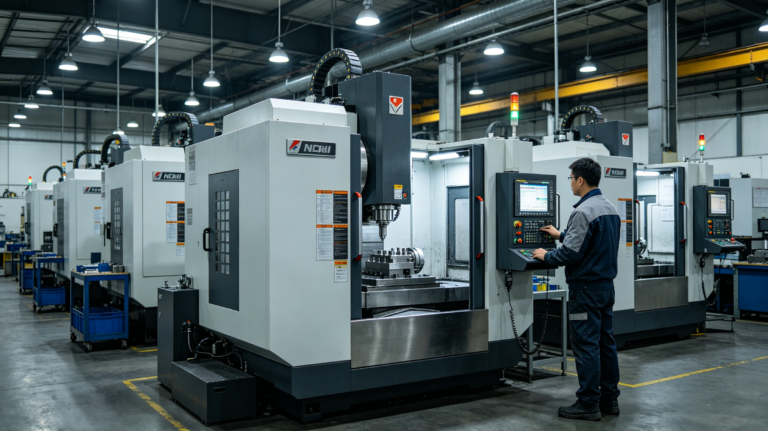
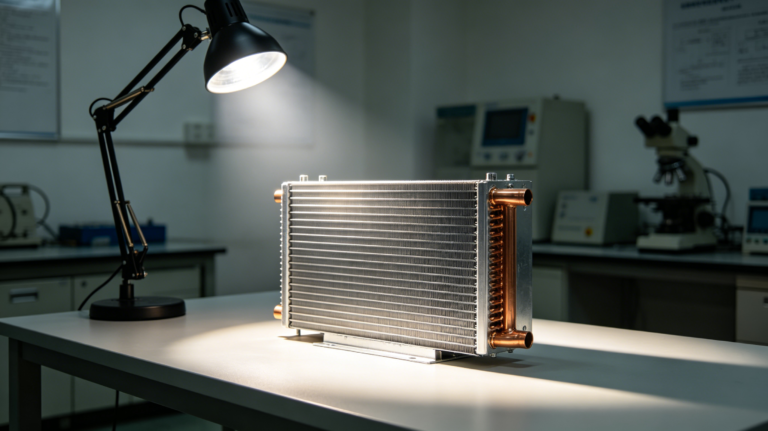
Introduction
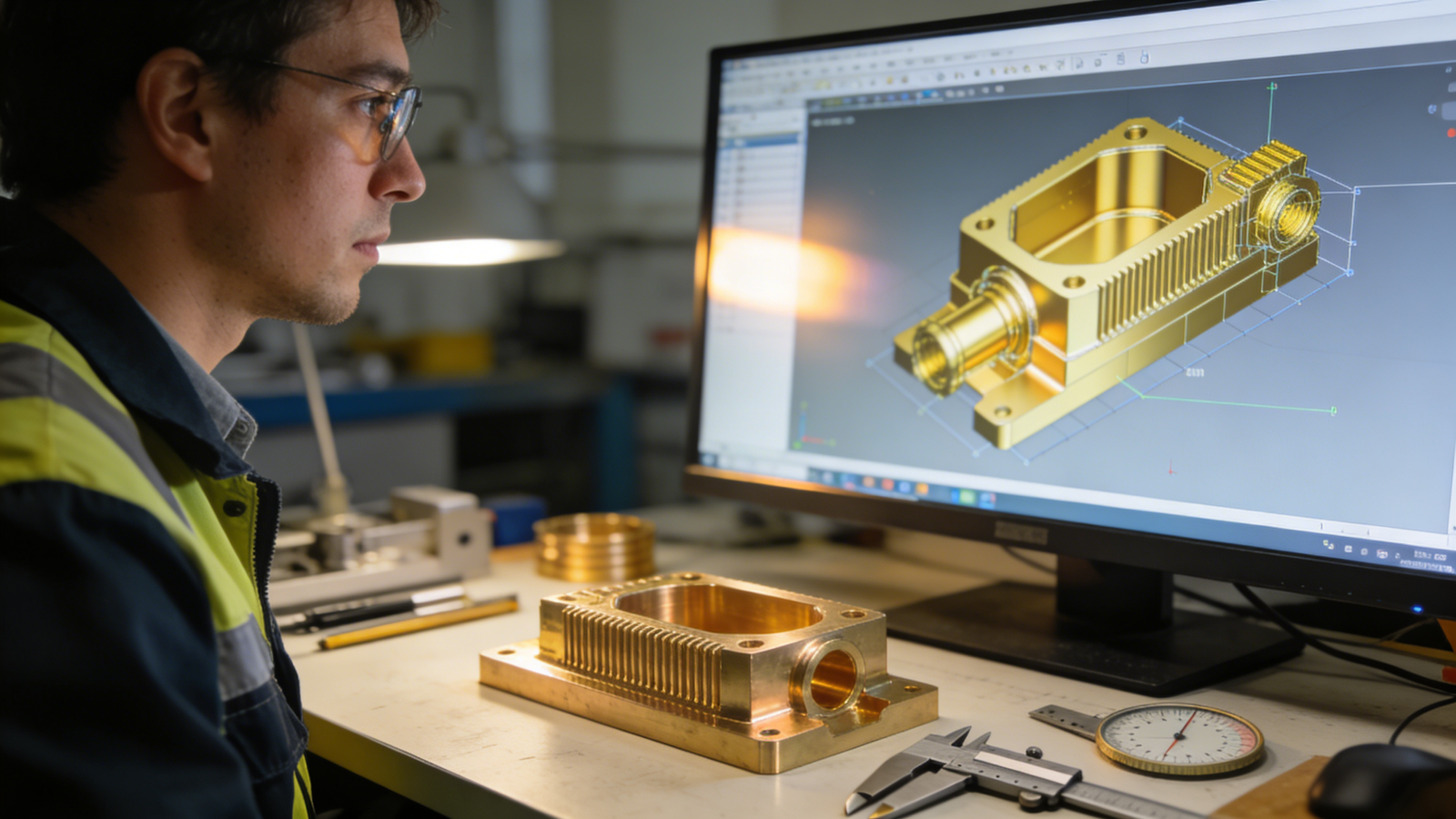
As power density continues to increase and equipment becomes more compact, heat dissipation has shifted from a design optimization issue to a core factor affecting system reliability. The selection of both material and machining method directly determines service life and operational stability. From Xiamen Ruicheng’s long-term experience in metal machining, many thermal failures are not caused by poor structural design, but by mismatches between thermal conduction paths and machining precision.High-thermal-conductivity brass demonstrates stable performance in heat dissipation components, making it a practical choice for manufacturers seeking balance between performance and cost.
With rising demands from communication equipment, power electronics, and industrial control systems, traditional solutions increasingly reveal limitations such as high thermal resistance and inconsistent machining quality. By integrating thermal conductivity, dimensional accuracy, and batch consistency through brass CNC turning services, heat dissipation solutions become far more controllable and reliable.
Why do heat dissipation systems focus on thermal stability of materials?
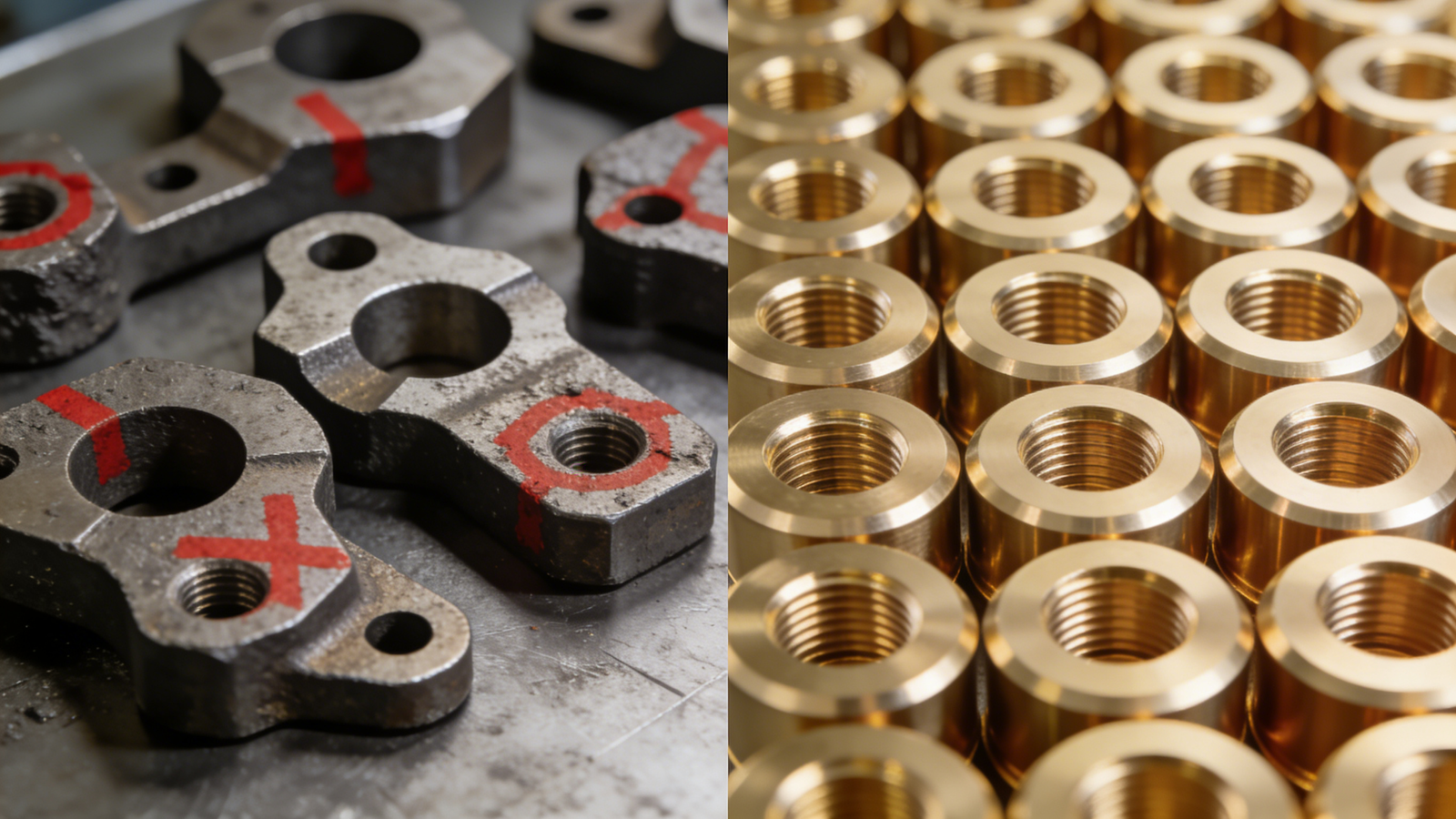
In real-world applications, heat dissipation performance is influenced not only by nominal thermal conductivity values, but also by machining consistency, long-term operating conditions, and assembly interfaces. Brass offers stable thermal conductivity, and its properties are less affected by machining stress, while CNC turning ensures dimensional repeatability of thermal components, reducing cumulative thermal resistance. For equipment requiring continuous operation, thermal stability is more valuable than peak performance figures.
Consistent heat transfer: Stable microstructure supports predictable thermal flow paths and avoids localized overheating.
Process controllability: Excellent machinability allows tighter tolerance control during turning.
Assembly compatibility: Precise tolerances reduce contact thermal resistance at interfaces.
Long-term reliability: Brass components maintain performance under repeated thermal cycling.
🔥 Thermal stability is the foundation of reliable heat dissipation, not an optional enhancement.
How do brass CNC turning services reduce total heat dissipation costs?
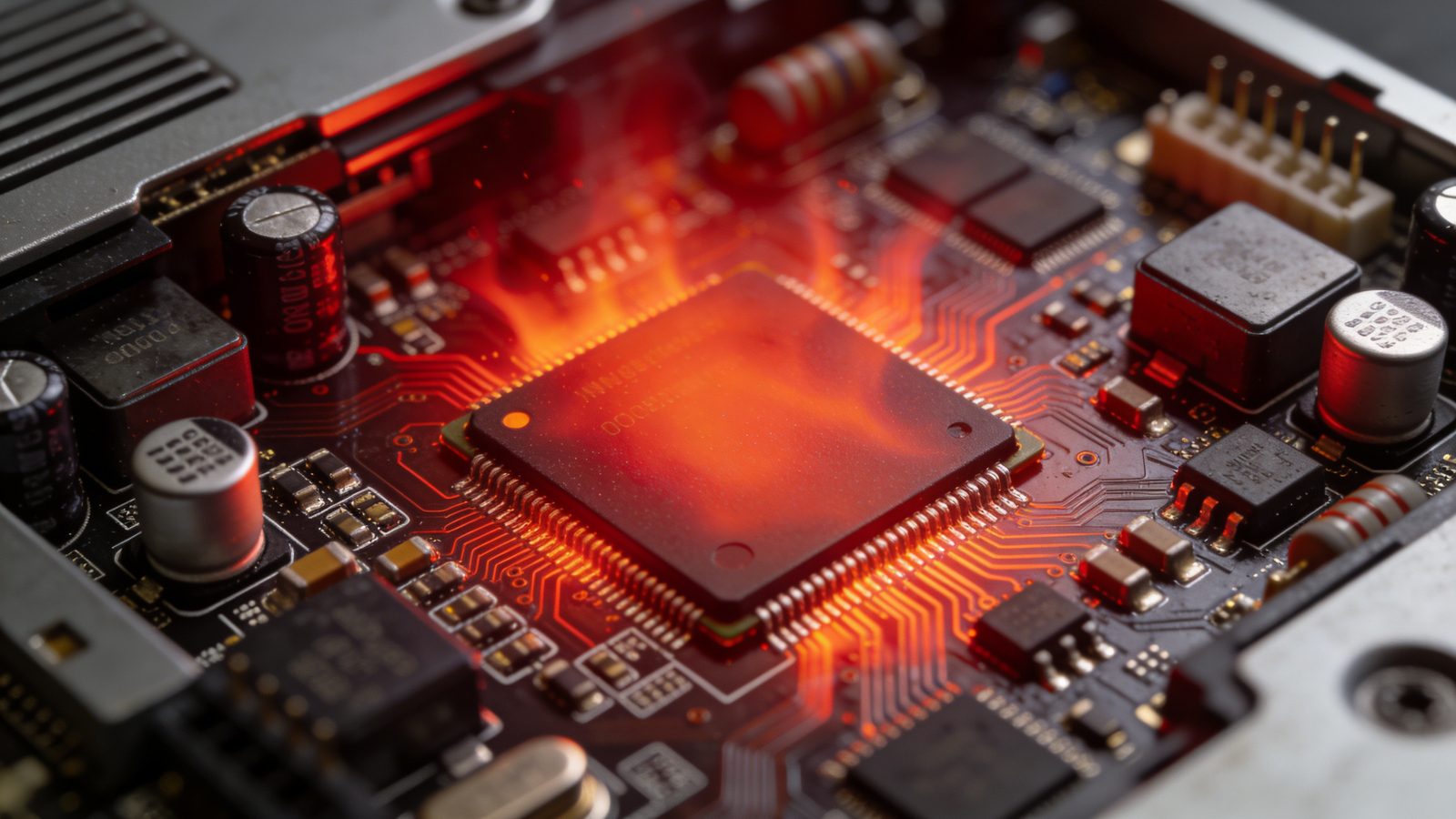
From a procurement perspective, the cost of a heat dissipation solution should be evaluated across efficiency, yield rate, and maintenance risk—not material price alone. By combining brass material characteristics with efficient turning processes, Xiamen Ruicheng achieves higher machining efficiency and lower rework rates. High-thermal-conductivity brass enables complex heat dissipation structures to be completed in a single turning process, minimizing secondary operations and assembly costs.
Machining efficiency: Low cutting resistance shortens cycle times per component.
Yield stability: Predictable cutting behavior reduces dimensional variation from tool wear.
Lower maintenance costs: Stable thermal performance reduces overheating-related failures.
Supply predictability: Consistent batch delivery supports better procurement planning.
💰 True cost advantages emerge across the entire lifecycle, not just the initial purchase.
Which heat dissipation applications benefit most from brass CNC turned parts?
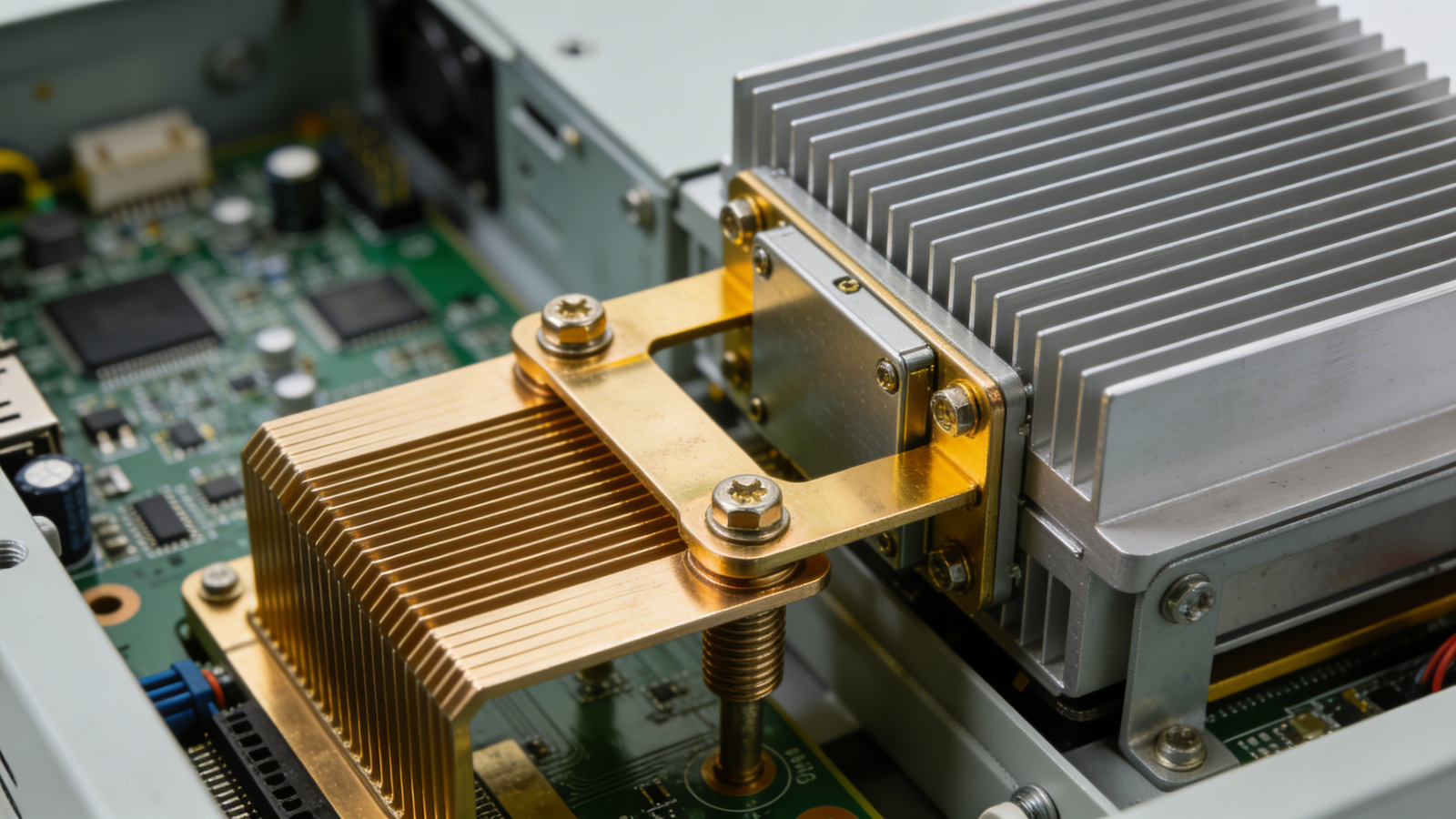
Heat dissipation requirements vary widely between applications, and brass CNC turned parts cover a broad range due to their combined material and process advantages. Based on Xiamen Ruicheng’s project experience, brass components perform especially well in industrial heat dissipation and precision electronic assemblies. Their high customizability allows adaptation to diverse thermal paths and mounting configurations.
Telecommunication equipment: Heat transfer components for base stations and RF modules.
Power electronics: Thermal conduction structures for inverters and rectifier modules.
Industrial control systems: Dual-function components providing both heat dissipation and structural support in enclosed cabinets.
Customized equipment: Non-standard thermal components tailored to specific designs.
⚙️ The right combination of material and process determines whether a thermal solution truly performs in practice.
Key comparison points for heat dissipation materials and machining options
| Comparison Dimension | Brass CNC Turning | Aluminum Machining | Stainless Steel Machining | Die Casting |
|---|---|---|---|---|
| Thermal stability | High | Medium | Low | Medium |
| Machining precision | High | Medium | Medium | Low |
| Batch consistency | High | Medium | Medium | High |
| Overall cost controllability | High | High | Low | Medium |
If you are evaluating the most suitable heat dissipation machining solution for your equipment, we welcome further discussion—contact us
How Xiamen Ruicheng supports heat dissipation decisions and implementation
Xiamen Ruicheng approaches heat dissipation projects from the customer’s real application requirements, not merely as a machining task. Through early-stage operating condition analysis, material recommendations, and process feasibility evaluations, we help customers reduce trial-and-error costs during the decision phase. Integrating brass CNC turning services into the overall thermal design is a key way we enable stable mass production.
1.Requirement analysis: Define thermal objectives based on actual operating environments.
2.Solution matching: Recommend appropriate structures based on brass material properties.
3.Prototype validation: Verify thermal and assembly performance through small-batch trials.
4.Production assurance: Maintain stable process parameters for long-term delivery consistency.
FAQ Module
Q1 (Core product evaluation): What are the key advantages of your brass CNC turning service for heat dissipation applications?
A: Xiamen Ruicheng combines stable-grade brass materials with mature turning processes to ensure thermal performance, dimensional accuracy, and batch consistency, all validated through internal quality control systems.
Q2 (Cooperation process): What information is required to start a customized brass heat dissipation project?
A: We recommend providing basic drawings, operating temperature ranges, mounting methods, and expected order quantities. Based on this, we evaluate feasibility and respond with pricing and technical suggestions within an agreed timeframe.
Q3 (Procurement execution): How do lead times and pricing vary by order volume?
A: Different scheduling strategies are applied for prototyping and mass production. Standard lead times are stable, and higher volumes enable further unit cost optimization.
Q4 (After-sales and risk assurance): How are performance or dimensional issues handled?
A: Through first-article inspection and in-process checks, risks are minimized. Confirmed quality issues are addressed according to agreed corrective or replacement procedures.
Q5 (Customization and value-added services): Can you support special thermal or assembly requirements?
A: Yes, we support structure and process adjustments based on actual operating conditions and provide executable customization plans with clear timelines.
Conclusion
High-thermal-conductivity brass CNC turning services have become a preferred choice for heat dissipation because they balance thermal stability, process controllability, and total cost efficiency. By leveraging proven metal machining expertise, Xiamen Ruicheng transforms material advantages into repeatable, reliable thermal solutions. When heat dissipation is viewed as a system reliability guarantee rather than a parameter comparison, selecting the right machining partner becomes essential.
For expert assistance in implementing solutions for your production needs, visit our resource center or contact us. Let’s help you scale up your manufacturing with precision and efficiency!
Email: marketing@chinaruicheng.com
WhatsApp: +8615980769781
Contact page: https://custommetalpro.com/contact-us/