Introduction
The rapid evolution of new energy vehicles (NEVs) has significantly raised expectations for lightweight design, thermal management, and dimensional accuracy across key components. As OEMs and Tier 1 suppliers accelerate model iteration cycles, manufacturing processes must support fast validation while maintaining production-grade reliability.Aluminum CNC milling has become a critical enabling technology for EV component development, bridging the gap between engineering design intent and scalable manufacturing execution.
From Xiamen Ruicheng’s long-term involvement in EV supply chains, aluminum CNC milling is not merely a prototyping solution but a strategic manufacturing choice for specific structural and functional parts. Its value lies in controllable precision, material versatility, and predictable quality outcomes across both pilot and mass-production stages.
Which EV Structural Components Are Best Suited for Aluminum CNC Milling?
Aluminum CNC milling is particularly well-suited for EV structural components that demand high dimensional accuracy, frequent design iteration, and stable mechanical performance. Typical examples include motor housings, battery trays, and load-bearing brackets, where tooling-based processes often lack flexibility.By machining directly from solid aluminum billet or plate, CNC milling ensures consistent geometry and minimizes accumulated assembly error, making it ideal for early-to-mid production volumes. In practical application, aluminum alloy combined with CNC milling enables reliable structural validation before committing to casting or forming tools.
Motor housings: Structural integrity and concentricity are critical for motor efficiency and NVH control.
Battery trays: Large-format parts benefit from one-piece milling to ensure sealing surface flatness.
Motor mounting brackets: Complex force paths are better realized through multi-axis CNC machining.
Structural validation phase: CNC-machined parts closely replicate production assembly conditions.
🔧 For structurally critical EV components, aluminum CNC milling reduces development risk and improves design confidence.
Technical note:
Motor housings typically use 6061-T6 aluminum for balanced machinability and thermal stability, while 7075-T6 is selected when higher stiffness is required. High-speed milling is performed at 18,000–22,000 RPM, with bearing interfaces finished to Ra ≤ 1.6 μm.
Which Functional EV Components Rely Most on Aluminum CNC Milling?
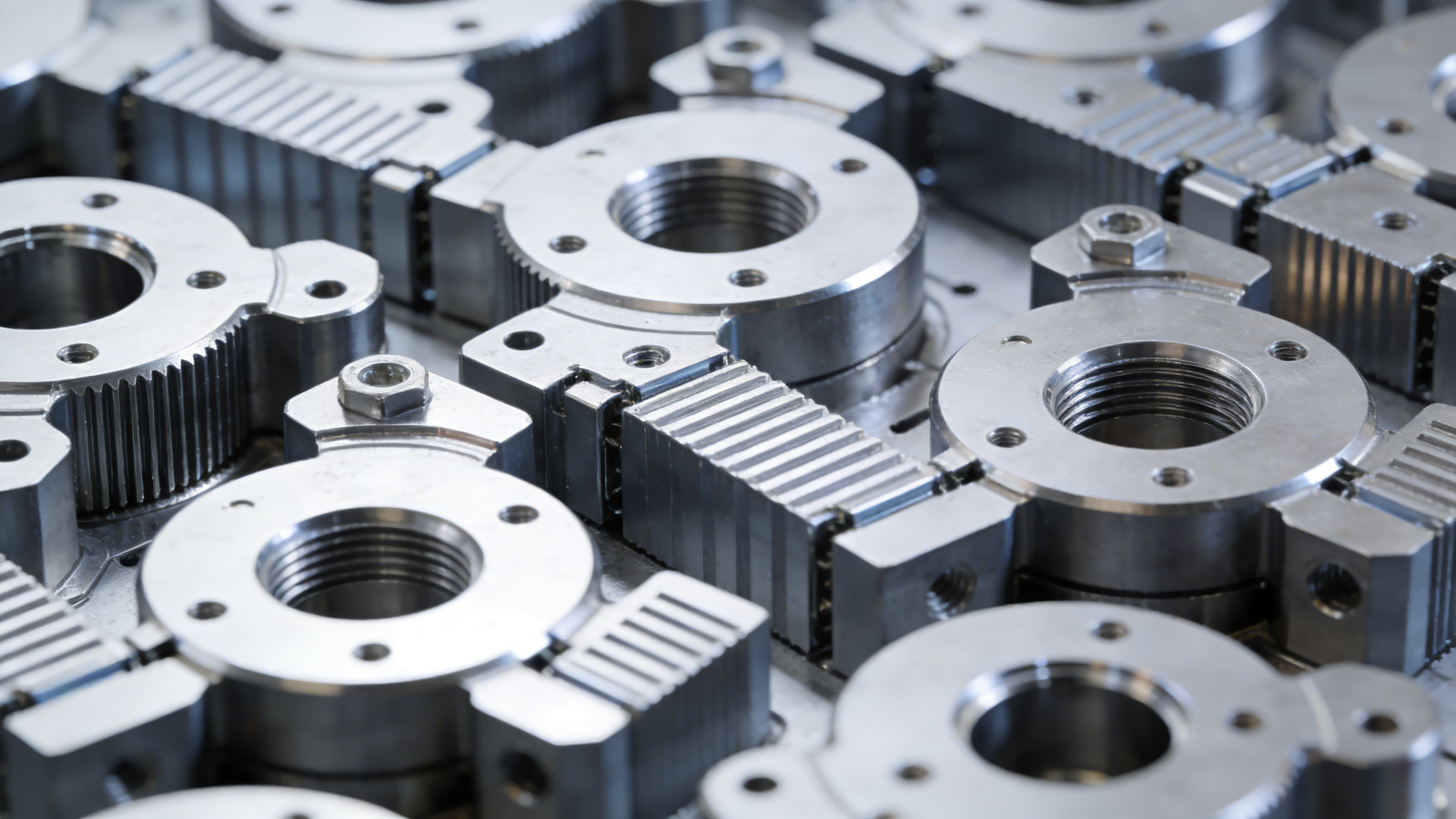
Many functional EV components integrate cooling, sealing, and protection features into compact geometries. These requirements favor aluminum CNC milling, which allows precise cavity formation and surface control in a single setup.CNC machining minimizes post-processing and welding distortion, supporting consistent functional performance, especially for components exposed to thermal cycling. Based on Xiamen Ruicheng’s EV manufacturing experience, electric vehicle functional parts such as inverter housings and charging module enclosures are best produced using advanced CNC machining.
Inverter housings: Complex cooling channels and thin walls require stable machining control.
Charging module enclosures: Precision sealing grooves improve long-term environmental protection.
ECU brackets: Tight positional tolerances ensure connector alignment.
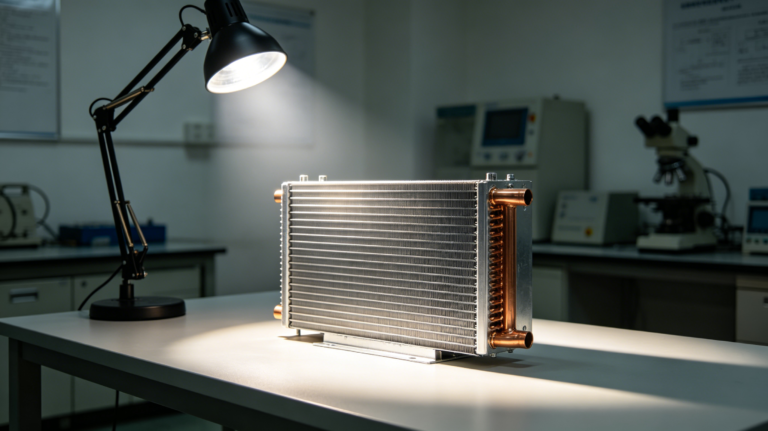
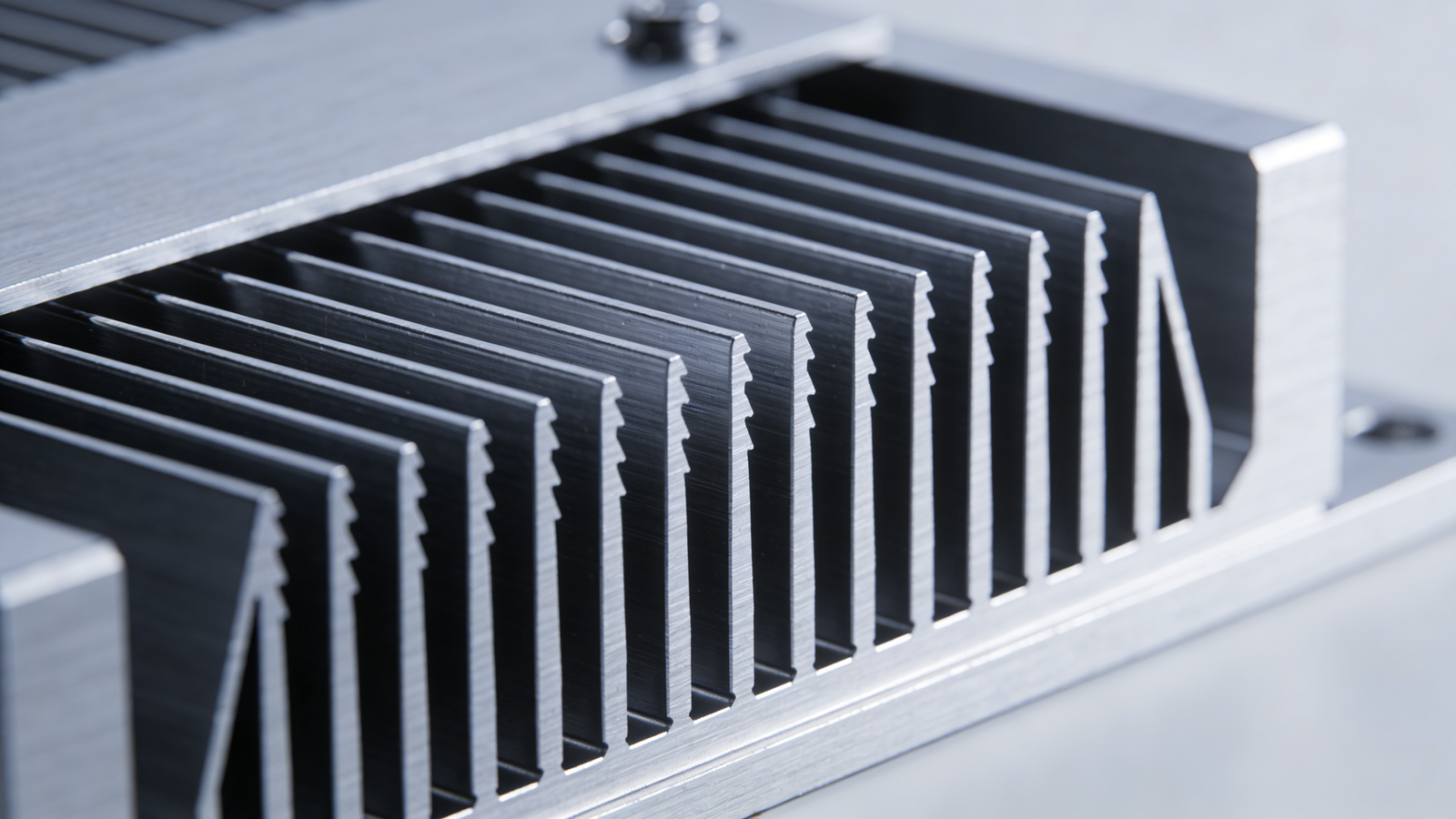
Thermal management parts: Integrated fins enhance heat dissipation efficiency.
🌡️ For function-critical EV components, CNC-milled aluminum ensures thermal and sealing reliability.
Technical note:
Inverter housings often feature wall thicknesses of 2.5–3.0 mm, achieved through controlled toolpaths that limit deformation. Sealing surfaces are typically finished to Ra ≤ 1.6 μm to support IP-rated enclosure performance.
Why Aluminum CNC Milling Is Prioritized During EV R&D and Pilot Production
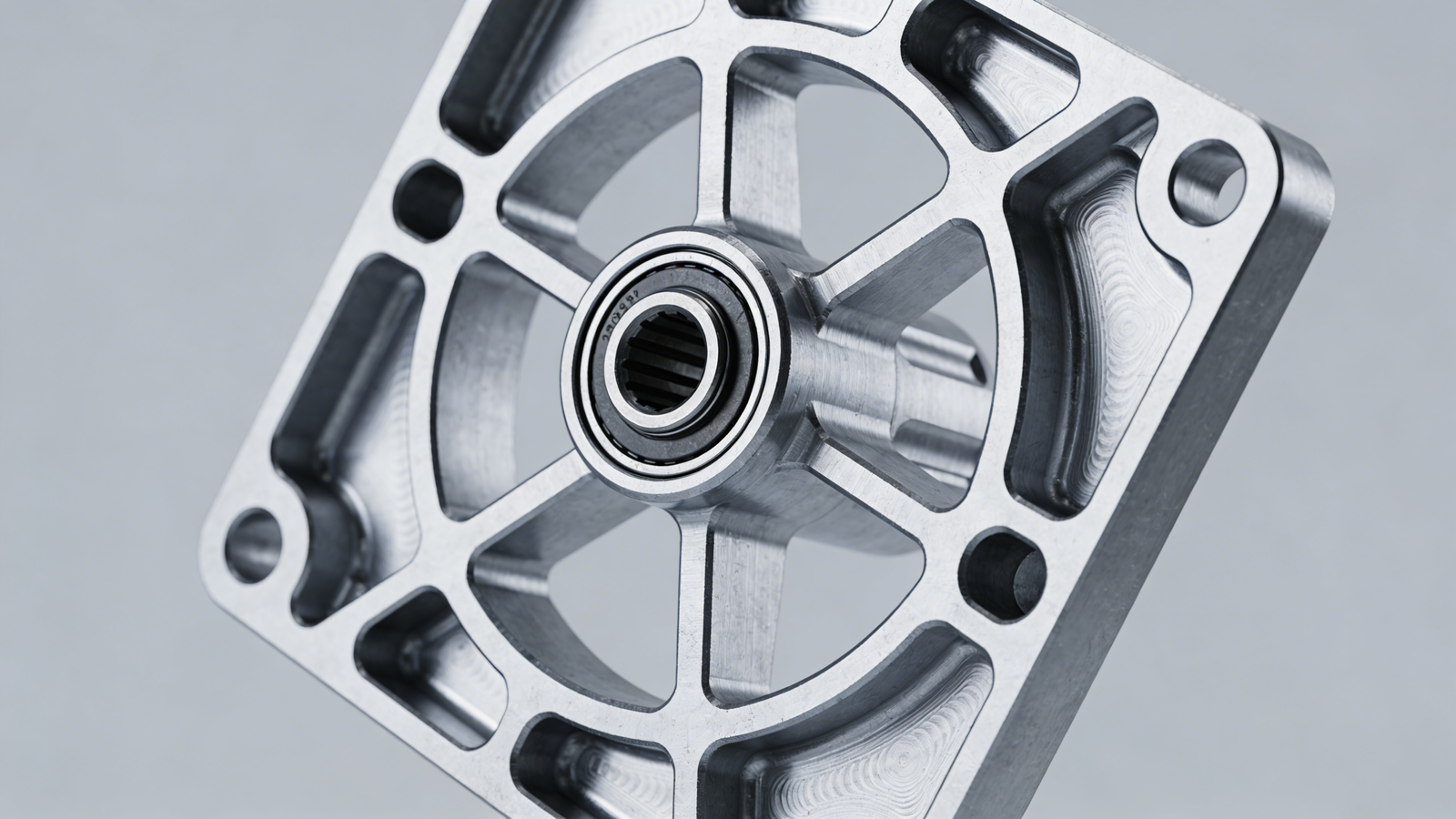
EV development programs are characterized by high uncertainty, compressed timelines, and evolving performance targets. Traditional tooling methods introduce both financial and schedule risks at early stages.Aluminum CNC milling enables near-production-quality parts without tooling investment, allowing engineers and procurement teams to make informed decisions faster. At Xiamen Ruicheng, rapid programming and flexible production scheduling support parallel design iterations, while prototype manufacturing combined with aluminum machining accelerates sourcing validation.
Rapid iteration: Design changes are implemented directly at the CAM level.
Cost control: Eliminates upfront tooling expenditure.
Early quality exposure: Assembly and tolerance issues surface sooner.
Production transition: CNC data informs later die casting or extrusion tooling.
🚀 During R&D and pilot phases, aluminum CNC milling connects engineering intent with manufacturable reality.
Technical note:
Battery trays are commonly machined from 6061-T6 plate, with bottom sealing surfaces milled in a single setup. To maintain enclosure flatness, radial tool runout is controlled below 0.005 mm, achieving flatness within 0.1 mm per meter.
Typical EV Components Suitable for Aluminum CNC Milling
| Component Type | Primary Function | CNC Milling Advantage | Typical Stage |
|---|---|---|---|
| Motor Housing | Structural + Thermal | Concentricity & surface control | R&D / Pilot |
| Battery Tray | Load-bearing + Sealing | Flatness & rigidity | Prototype / Pilot |
| Motor Bracket | Structural Support | One-piece accuracy | R&D |
| Inverter Housing | Cooling + Protection | Complex cavity machining | Validation |
| ECU Bracket | Mounting Accuracy | Tight positional tolerance | Low-volume |
| Charging Enclosure | Sealing + Protection | Fine surface finish | Pilot |
To evaluate whether aluminum CNC milling fits your EV component requirements, explore our high-precision aluminum CNC machining services or contact our engineering team directly:contact us
Why Xiamen Ruicheng for EV Aluminum CNC Milling?
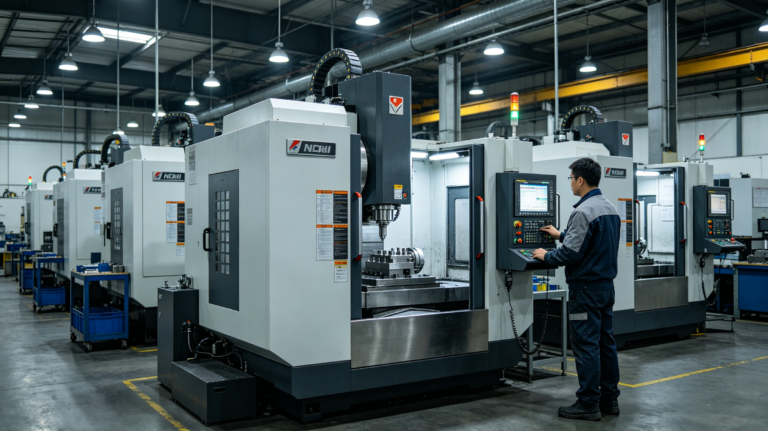
Xiamen Ruicheng focuses on custom aluminum CNC milling for new energy vehicle components, supporting customers from early validation through stable mass production. Our manufacturing approach is grounded in real EV project delivery rather than generic machining capability.
Engineering and production credentials:
- ISO 9001–certified CNC machining system
- Dedicated aluminum CNC milling centers for EV components
- 3-axis and 5-axis machines optimized for structural and thin-wall parts
Verified delivery performance:
Xiamen Ruicheng has supported Tier 1 automotive suppliers with high-volume production of aluminum motor end covers, maintaining ±0.02 mm dimensional consistency across large batch deliveries while ensuring traceable quality records and stable lead times.
FAQ
What defines quality reliability in aluminum CNC milling for EV components?
Quality reliability depends on material traceability, controlled machining parameters, and in-process inspection. Xiamen Ruicheng applies defined tolerance standards and inspection checkpoints aligned with EV application requirements.
What information is required to obtain a quotation?
Basic CAD drawings, application context, and estimated quantities are sufficient. Our team provides manufacturability feedback together with pricing guidance.
How are different production volumes supported?
We align capacity planning with R&D, pilot, and ramp-up stages, enabling smooth volume transitions without compromising quality.
How are quality or delivery issues handled?
Clear corrective-action workflows ensure rapid response, root-cause analysis, and corrective implementation to protect project timelines.
Do you support application-specific customization?
Yes. We provide machining strategy recommendations based on thermal, structural, and assembly requirements to optimize component performance.
Conclusion
Not every EV component requires aluminum CNC milling, but for parts demanding precision, structural integrity, and rapid iteration, it offers clear advantages. Selecting the right components for CNC milling allows OEMs and suppliers to reduce risk, control cost, and accelerate development cycles. From Xiamen Ruicheng’s perspective, aluminum CNC milling is not just a manufacturing process—it is a decision-support tool that brings certainty to EV component development.
For expert assistance in implementing aluminum CNC milling for your production needs, visit our resource center or contact us. Let’s scale your EV manufacturing with precision and confidence.
Email: marketing@chinaruicheng.com
WhatsApp: +8615980769781
Contact page: https://custommetalpro.com/contact-us/