Introduction
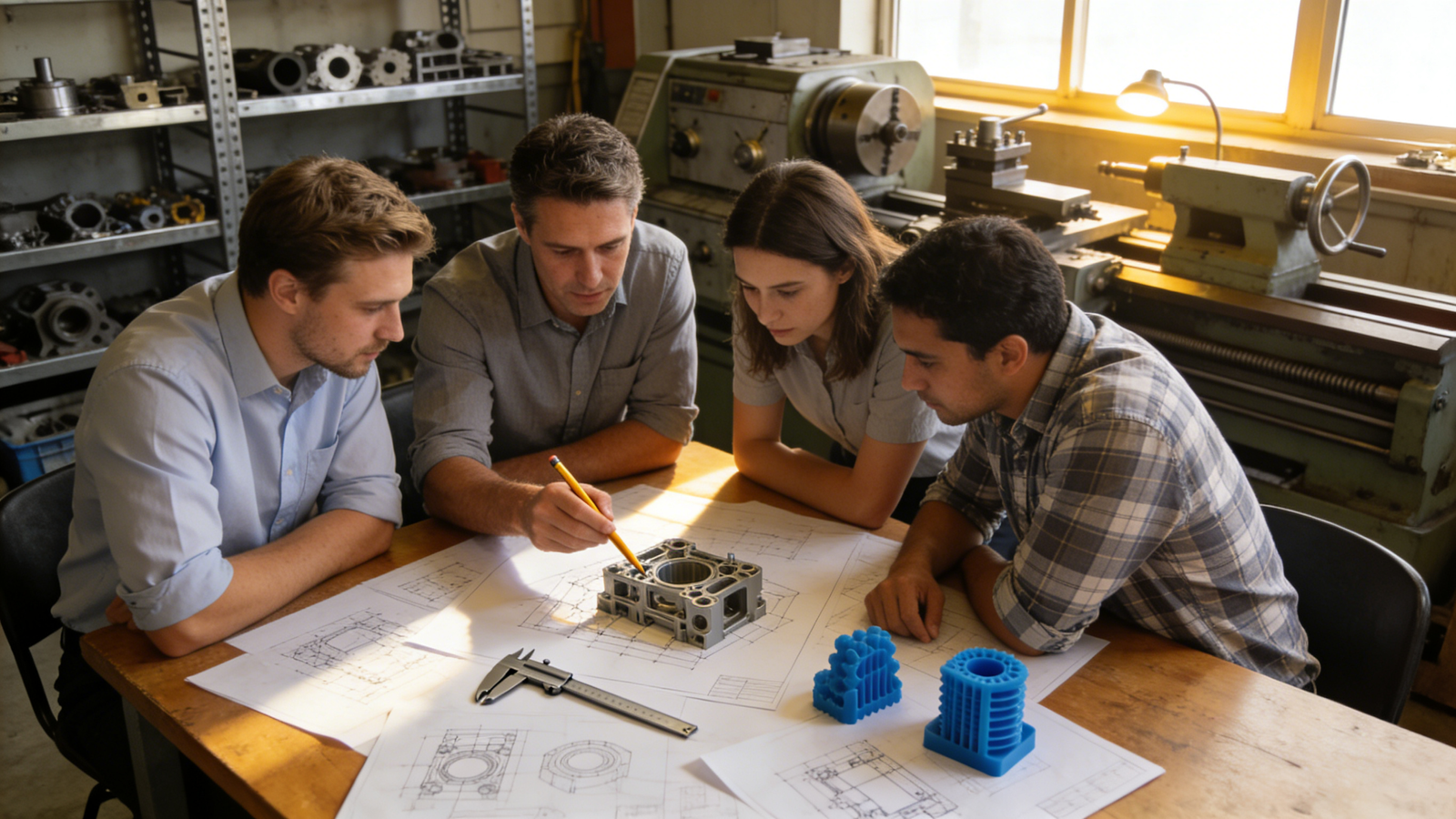
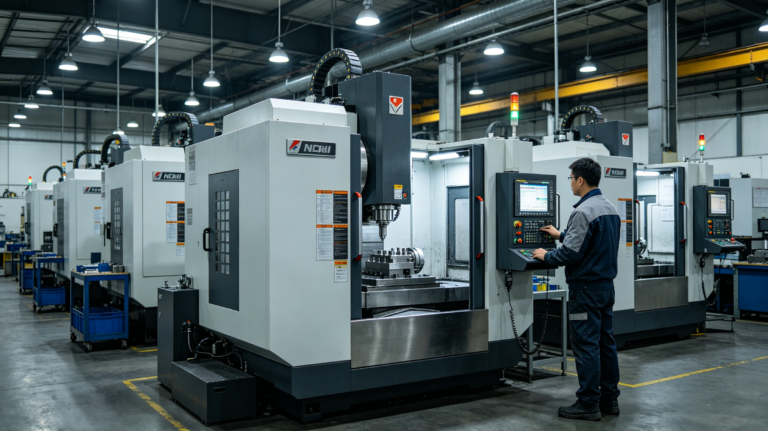
The instrument and measurement industry is undergoing a structural shift from fragmented outsourcing to deeply collaborative manufacturing models, where metal processing is no longer a downstream execution step but a core enabler of product strategy. From Xiamen Ruicheng’s long-term cooperation with instrument manufacturers, it is evident that metal cutting suppliers with true engineering participation capabilities are becoming critical partners in shortening development cycles and reducing mass-production risks.When metal cutting suppliers are involved early in R&D, manufacturing uncertainty is systematically eliminated.
From prototype validation to stable volume production, manufacturers require more than cutting capacity—they need a manufacturing system that connects design, verification, and scale-up. Xiamen Ruicheng supports customers by validating mass-production feasibility before product designs are finalized.The boundary between R&D and mass production is being redefined by professional metal processing capabilities.
Why Does the R&D–Production Gap Occur?
In real-world projects, instrument manufacturers often rely on different suppliers for prototyping and mass production, leading to non-transferable processes and uncontrolled costs. Xiamen Ruicheng introduces mass-production-grade metal cutting parameters at the prototype stage while synchronously evaluating design for manufacturability. Only when prototype processes are identical to production processes can R&D results be reliably scaled. This approach significantly reduces repeated sampling and revalidation costs.
Process front-loading: Production-level cutting paths and fixturing are applied during R&D to avoid redesign.
Parameter solidification: Verified prototype parameters are directly locked as production standards.
Risk exposure: Small-batch cutting reveals structural and material risks early.
Schedule alignment: R&D and procurement move in parallel to prevent delays.
🔧 Designing for production from day one is the foundation of integration.
How Is Process Co-Creation Achieved?
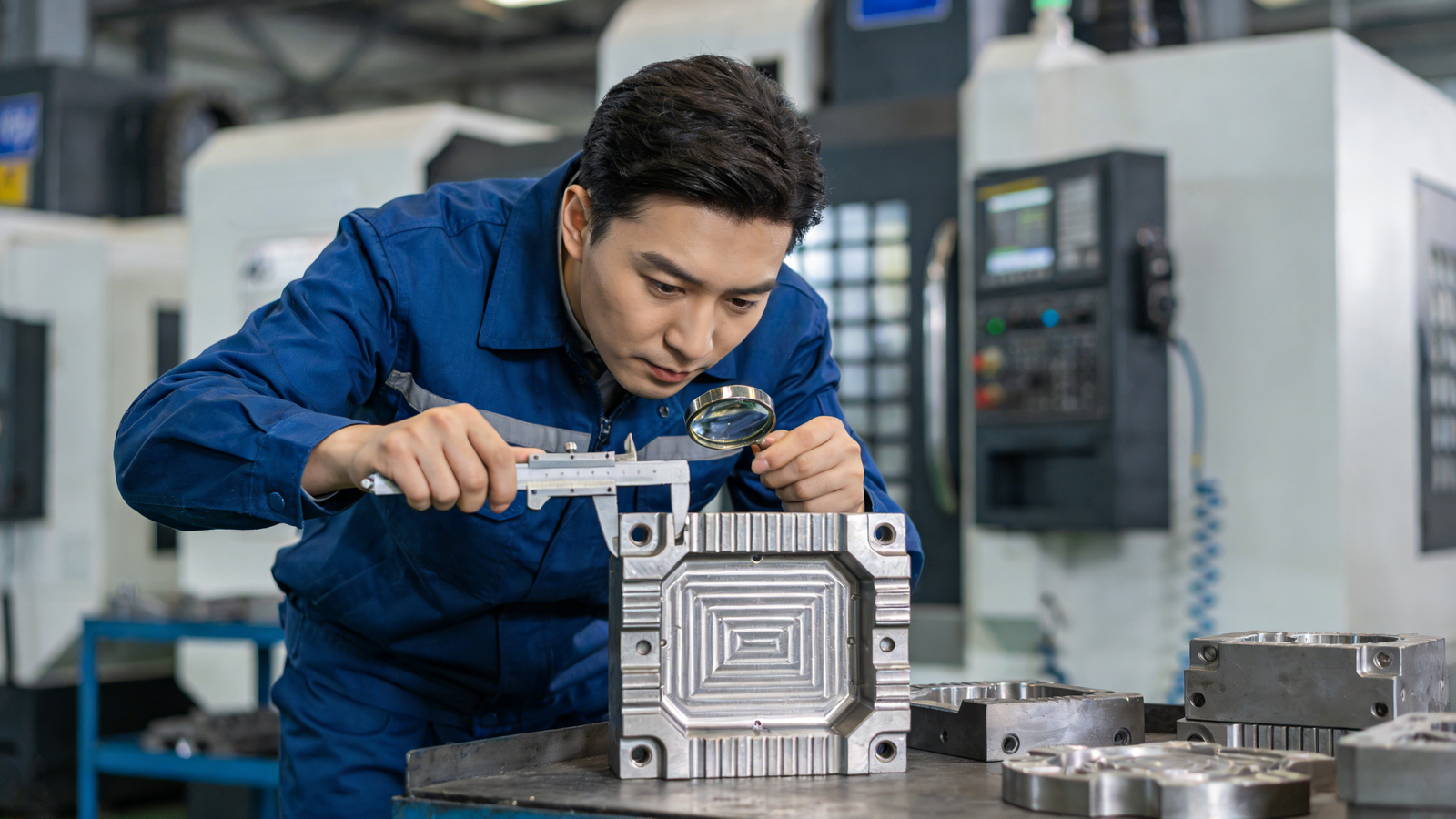
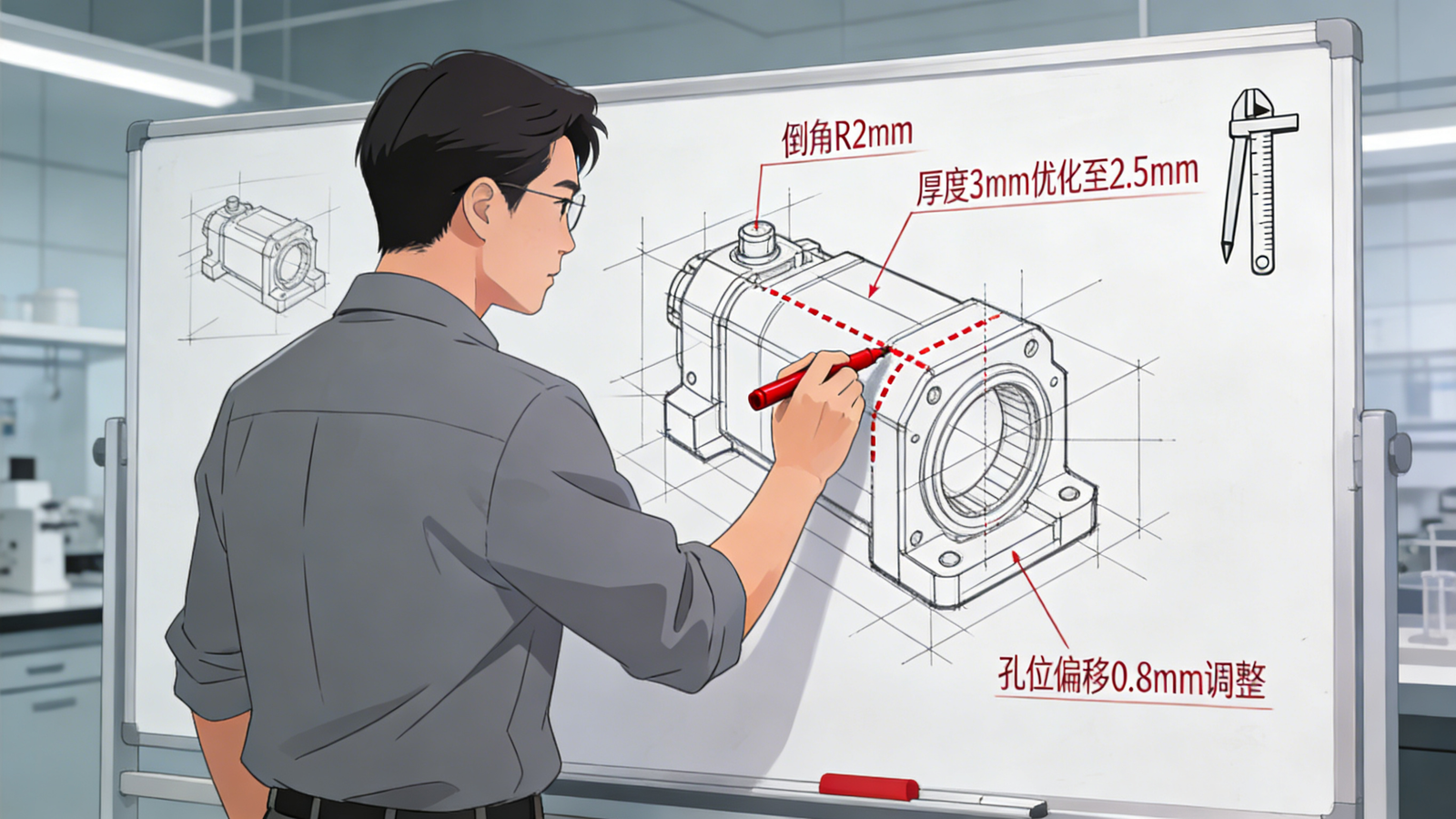
Traditional outsourcing only starts after drawings are frozen, whereas Xiamen Ruicheng emphasizes early-stage process co-creation. By integrating CNC cutting planning and material machinability analysis, design details are optimized before finalization. When process insights directly influence design decisions, overall manufacturing efficiency improves significantly. This collaborative model enhances cutting stability while enabling predictable cost control.
Structural optimization: Recommendations on chamfers, thickness, and hole positions based on cutting stability.
Material evaluation: Feasibility analysis for stainless steel, aluminum alloys, and other common materials.
Path optimization: Reduction of idle tool paths and repeated positioning to improve efficiency.
Prototype validation: Rapid sample cutting to verify design assumptions.
🧩 Bidirectional communication between design and manufacturing drives R&D efficiency.
How Is Mass Production Stabilized?
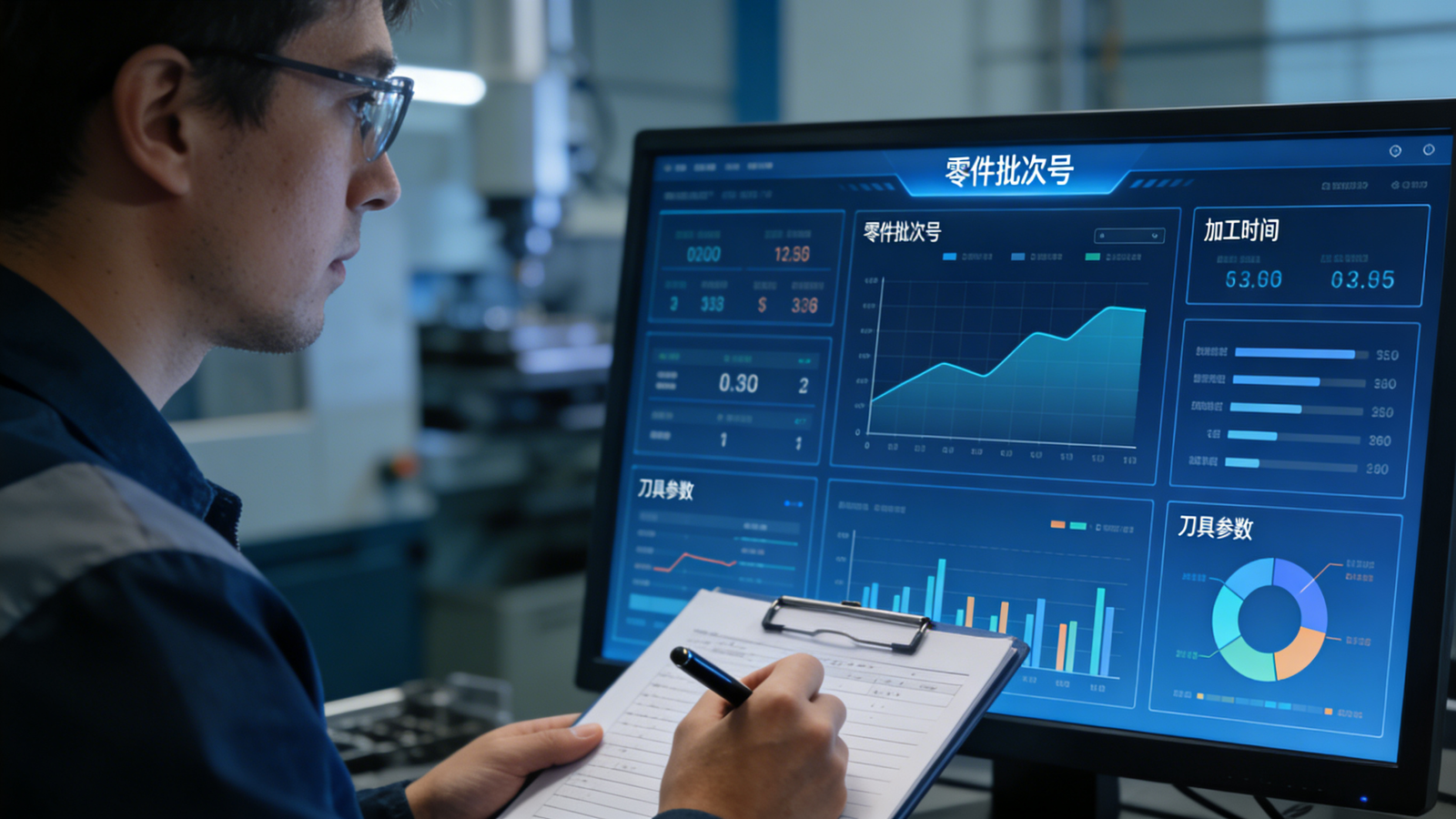
Mass production demands far higher consistency and delivery discipline than prototyping. Xiamen Ruicheng ensures stability through standardized cutting workflows and closed-loop quality control. Supported by ISO 9001 systems and statistical process control, customers receive predictable and repeatable outputs during scale-up. Stable production capability is ultimately determined by the rigor of early process validation.
Batch consistency: Fixtures and programs are locked to ensure uniform dimensions.
Takt control: Cutting capacity is aligned with customer assembly rhythms.
Quality traceability: Every batch’s parameters are traceable for rapid issue resolution.
Flexible scaling: Smooth transition from pilot runs to high-volume production.
📦 Production stability is the final proof of early-stage collaboration.
Comparison of R&D-to-Mass Production Integration Models
| Dimension | Traditional Outsourcing | Stage-Based Suppliers | Integrated Collaboration (Xiamen Ruicheng) | Customer Value |
|---|---|---|---|---|
| Engagement Stage | After drawings | After prototyping | Early R&D | Less rework |
| Process Consistency | Low | Medium | High | Stable scale-up |
| Communication Cost | High | Medium | Low | Faster decisions |
| Risk Control | Reactive | Semi-active | Proactive | Cost predictability |
Looking to scale R&D results smoothly into production? Reach out now via contact us
Extended Value
When selecting metal processing partners, instrument manufacturers often focus on unit pricing while overlooking long-term collaboration value. Xiamen Ruicheng embeds cutting services directly into customers’ R&D and production workflows, helping build stable and repeatable manufacturing systems. True value lies not in per-part cost, but in sustained manufacturing efficiency.
1.R&D enablement: Engineering involvement reduces design uncertainty.
2.Cost governance: Production costs are controlled before scale-up.
3.Delivery assurance: Capacity planning supports production ramp-up.
4.Long-term partnership: A sustainable manufacturing collaboration model.
FAQ
Question 1: What is the core advantage of your metal cutting services for instrument manufacturers?
Answer: Xiamen Ruicheng’s key advantage lies in early R&D-stage involvement, supported by mature process databases and quality systems that ensure process consistency from prototypes to mass production.
Question 2: What information is required to receive a fast quotation?
Answer: Customers are advised to submit 2D/3D drawings, material specifications, and estimated volumes. After submission through the designated channel, an initial process assessment and solution can be provided within 12 hours.
Question 3: How are MOQ and lead time handled for different order volumes?
Answer: Small-batch prototyping is supported with low MOQs, while mass production lead times are adjusted based on volume. Standard projects are typically delivered within 7–10 working days, with flexible scaling options.
Question 4: How are quality or delivery issues handled after purchase?
Answer: Xiamen Ruicheng operates a clear issue identification and traceability mechanism. Once responsibility is confirmed, corrective actions such as rework or replacement are initiated promptly to protect customer schedules.
Question 5: Do you support customization and value-added services?
Answer: Yes, customized cutting solutions are available based on specific operating conditions and assembly requirements, including tailored processes, fixtures, and delivery schedules.
Conclusion
For instrument manufacturers to truly integrate R&D and mass production, selecting a metal cutting supplier capable of participating in manufacturing decisions is essential. Through early process integration, co-created design, and stable production support, Xiamen Ruicheng helps customers transform R&D into scalable products. When suppliers evolve into manufacturing partners, both development efficiency and production stability advance together.
For expert assistance in implementing solutions for your production needs, visit our resource center or contact us. Let’s help you scale up your manufacturing with precision and efficiency!
Email: marketing@chinaruicheng.com
WhatsApp: +8615980769781
Contact page: https://custommetalpro.com/contact-us/