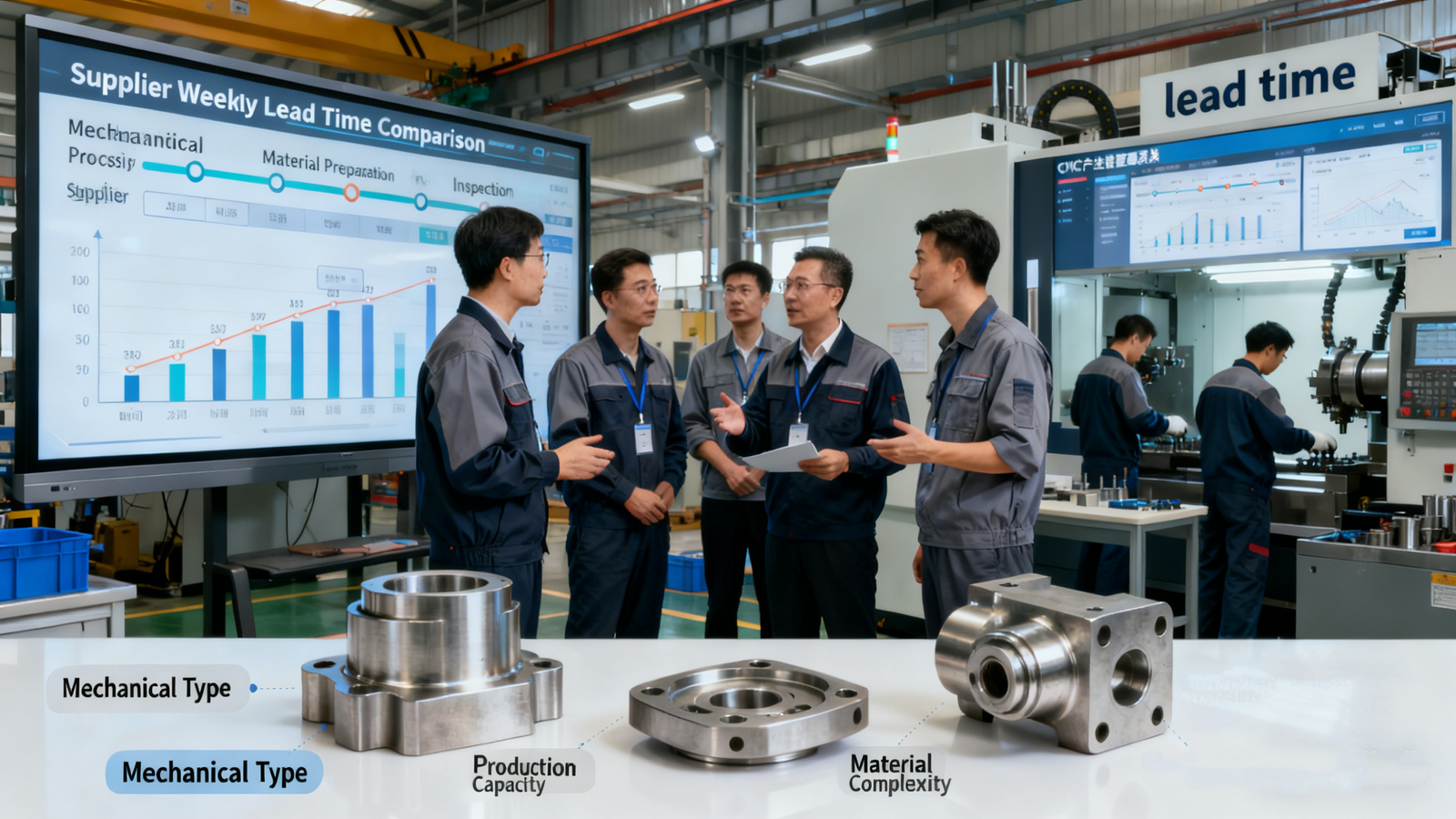
Choosing a custom part fabrication partner often comes down to one critical factor: lead time1. Different suppliers offer different production speeds depending on their machinery, workflow, capacity, materials, and project complexity. Understanding how to compare fabrication lead times helps ensure predictable delivery and avoids costly production delays.
What Affects Lead Times in Custom Part Fabrication?
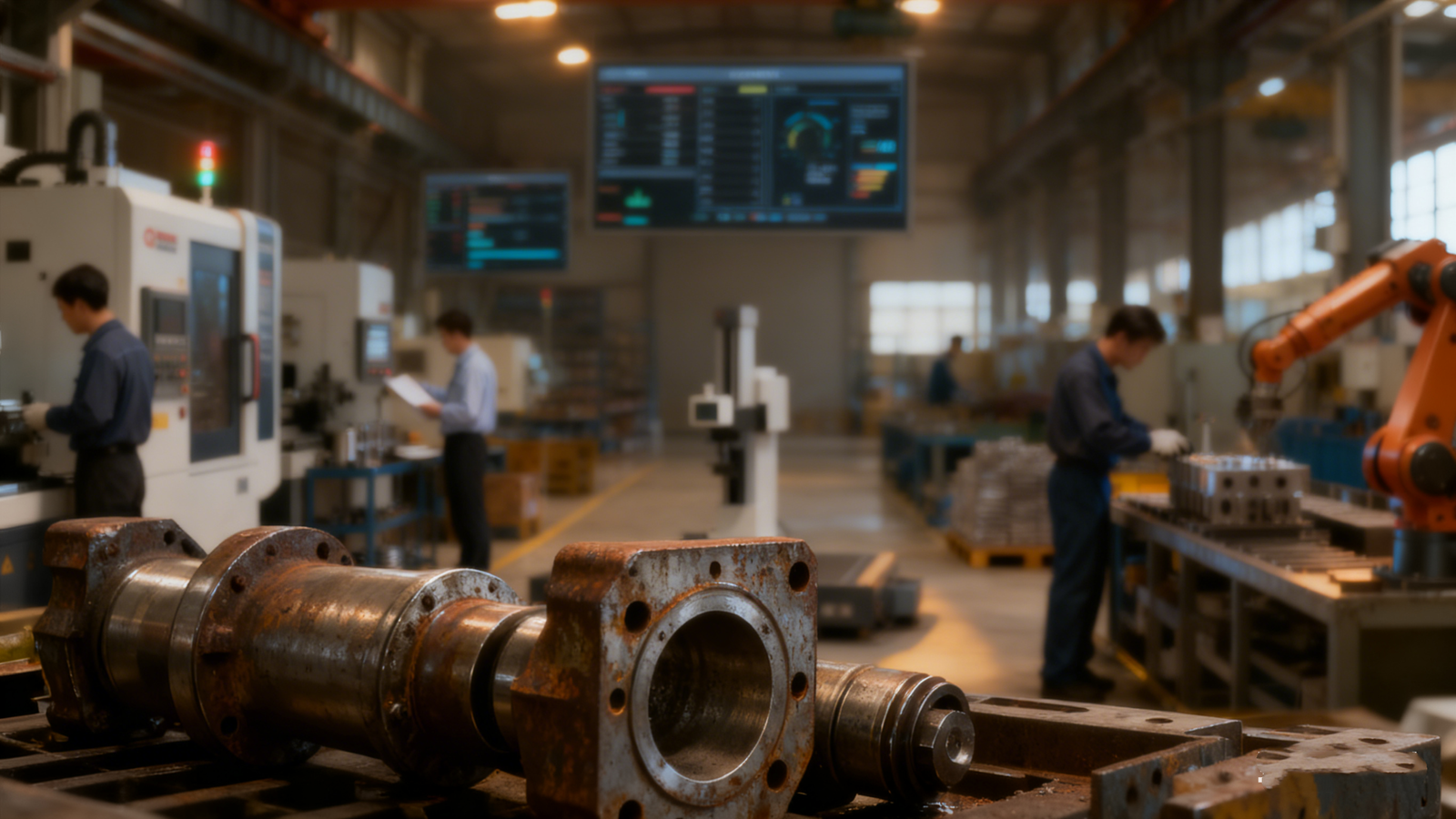
Lead times vary significantly across suppliers, and the differences can impact project schedules. Before comparing vendors, it’s important to understand what influences turnaround time.
A supplier’s lead time is shaped by production capacity2, internal workflow efficiency3, machinery type, and material availability. To compare suppliers accurately, it’s essential to evaluate how consistently they can deliver within the stated timeframe.
Common factors include:
- Machine availability and workload
- Complexity of the part design
- Required tolerances and inspection steps
- Material sourcing and stock readiness
- Level of automation in the facility
Strong suppliers minimize time lost in setup, programming, and queue management.
Why Do Some Suppliers Offer Faster Lead Times?

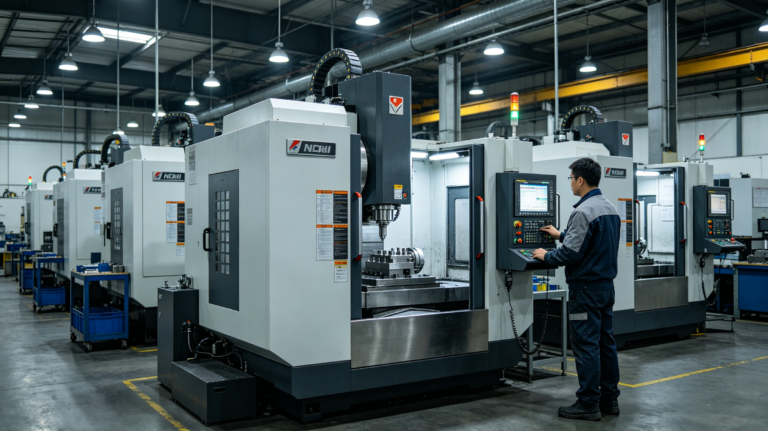
Some fabrication shops consistently deliver faster because their operations are optimized. They utilize automated scheduling4, multi-axis machining5, and skilled engineers who shorten programming and setup time.
Faster suppliers generally succeed because their workflow eliminates unnecessary delays, resulting in more predictable turnaround times.
Key efficiency boosters:
- Automated scheduling systems
- Multi-axis CNC capabilities
- Experience with similar part types
- Streamlined QA processes
These advantages reduce production bottlenecks and allow shorter lead times without sacrificing quality.
How to Evaluate Lead Time Reliability Between Suppliers?

Lead time reliability is more important than speed alone. A supplier promising unrealistically fast delivery may cause more problems than a slightly slower but consistent one.
When comparing suppliers, the most reliable manufacturer is the one who can repeatedly meet the delivery dates promised—even under varying workloads.
Things worth evaluating:
- On-time delivery rate
- Production transparency
- Project management responsiveness
- Backup capacity during peak periods
A dependable supplier clearly communicates lead times and updates.
Comparing Typical Lead Times by Fabrication Type

Below is a general comparison of common processes and their usual turnaround windows. Actual timing varies by supplier and design complexity.
| Fabrication Process | Typical Lead Time | Notes |
|---|---|---|
| CNC Machining | 3–15 days | Faster for simple parts; longer for tight tolerances |
| Sheet Metal Fabrication | 5–20 days | Setup time varies by bending/welding requirements |
| Metal Casting | 10–30 days | Tooling significantly increases early lead time |
| 3D Metal Printing | 2–10 days | Fastest for prototypes but slower for finishing |
| Custom Assemblies | 10–25 days | Depends heavily on part count and testing |
Understanding these ranges helps buyers assess whether a supplier’s quoted timeframe is truly competitive.
When Should You Choose Faster vs. Standard Lead Times?
Not every project requires the shortest lead time possible. Sometimes, selecting a supplier with standard lead times but better process stability is wiser.
Choosing faster or standard lead times depends on project urgency, part complexity, and long-term production goals.
Helpful considerations:
- Prototypes or urgent replacements → Fast-turn shops
- Complex or high-precision parts → Standard lead times are safer
- Long-term production → Evaluate consistency over speed
A balanced approach prevents rushed production that risks defects.
Frequently Asked Questions (FAQ)
How much variation in lead times is normal between suppliers?
A variation of 20–40% is common because shops differ in workflow efficiency and equipment type.
Do faster lead times affect part quality?
Not always. Quality depends on process control. However, overly short promised lead times may increase risk.
Why do complex parts take longer?
They require more programming, setup, machining time, and inspection steps.
Is it worth paying extra for expedited fabrication6?
If downtime is costly or deadlines are strict, expedited fees may be justified.
Can material availability delay fabrication?
Yes. Certain alloys or special bar sizes require longer sourcing time.
Conclusion
Reliable lead time comparison requires understanding production capacity, workflow efficiency, part complexity, and historical delivery performance. The best supplier is not always the fastest, but the one who consistently meets realistic timelines with stable quality.
For professional support with custom part fabrication:
👉 Contact us:
https://custommetalpro.com/contact-us/
-
Understanding lead time is crucial for project planning and avoiding delays. ↩
-
Explore how production capacity impacts delivery schedules and project timelines. ↩
-
Learn about the importance of workflow efficiency in meeting deadlines. ↩
-
Find out how automated scheduling can enhance production efficiency. ↩
-
Learn how multi-axis machining can reduce lead times and improve quality. ↩
-
Evaluate the pros and cons of expedited fabrication for urgent projects. ↩