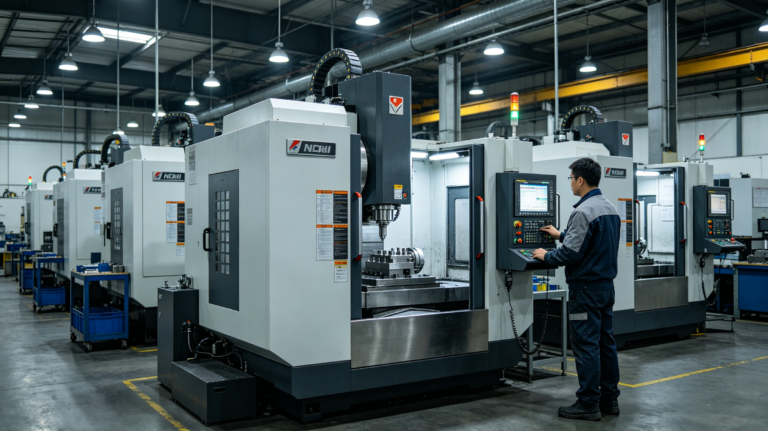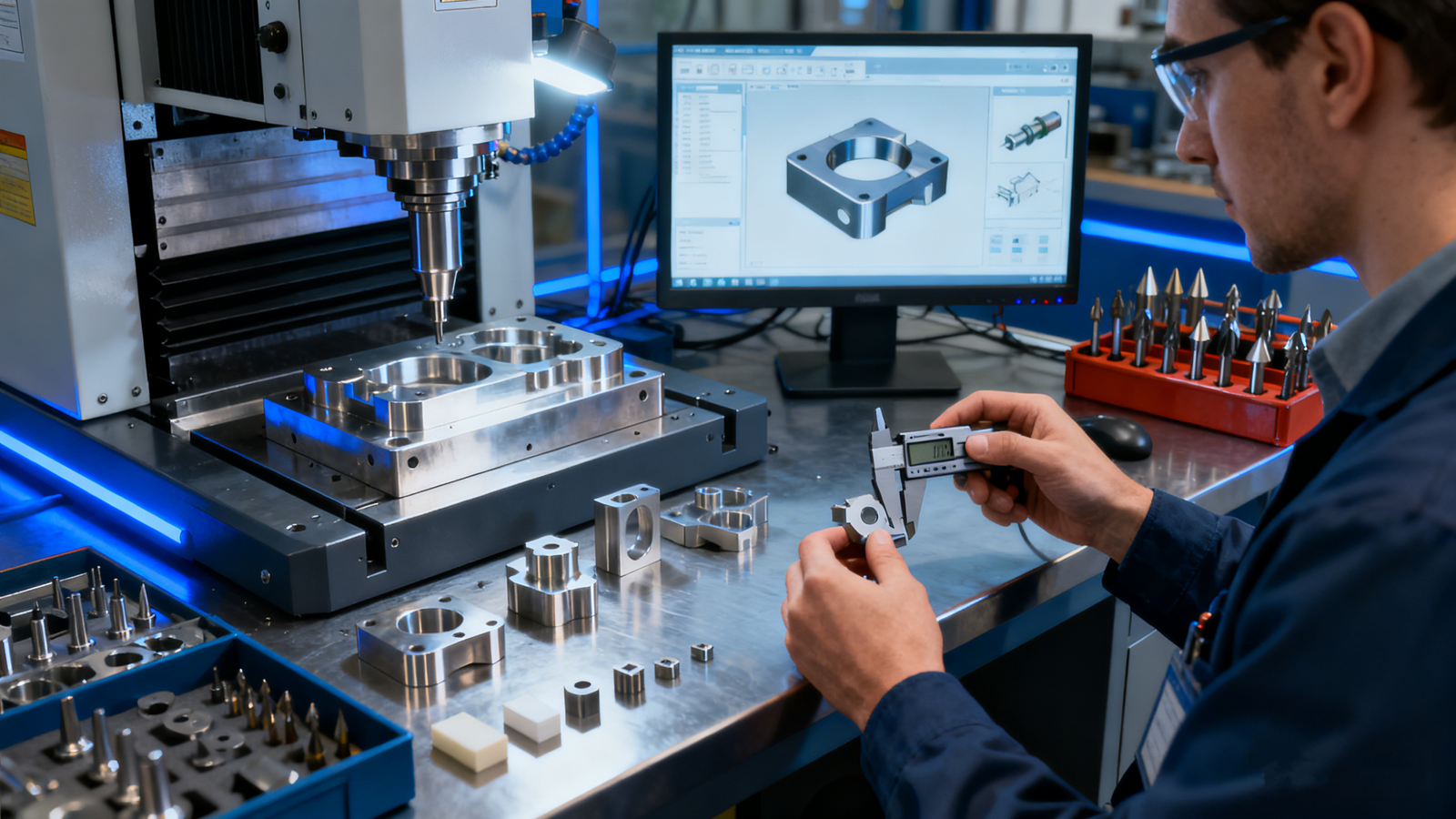
Low volume CNC machining1 is widely used for prototypes2, functional testing3, and small-batch production4. It provides high precision without the need for expensive molding tools. This type of machining is ideal for companies looking to accelerate development while keeping production flexible.
What Is Low Volume CNC Machining?
Low volume CNC machining refers to producing small quantities—typically from 1 to 500 units—using CNC milling and turning processes. It offers fast iteration and supports a broad range of materials.
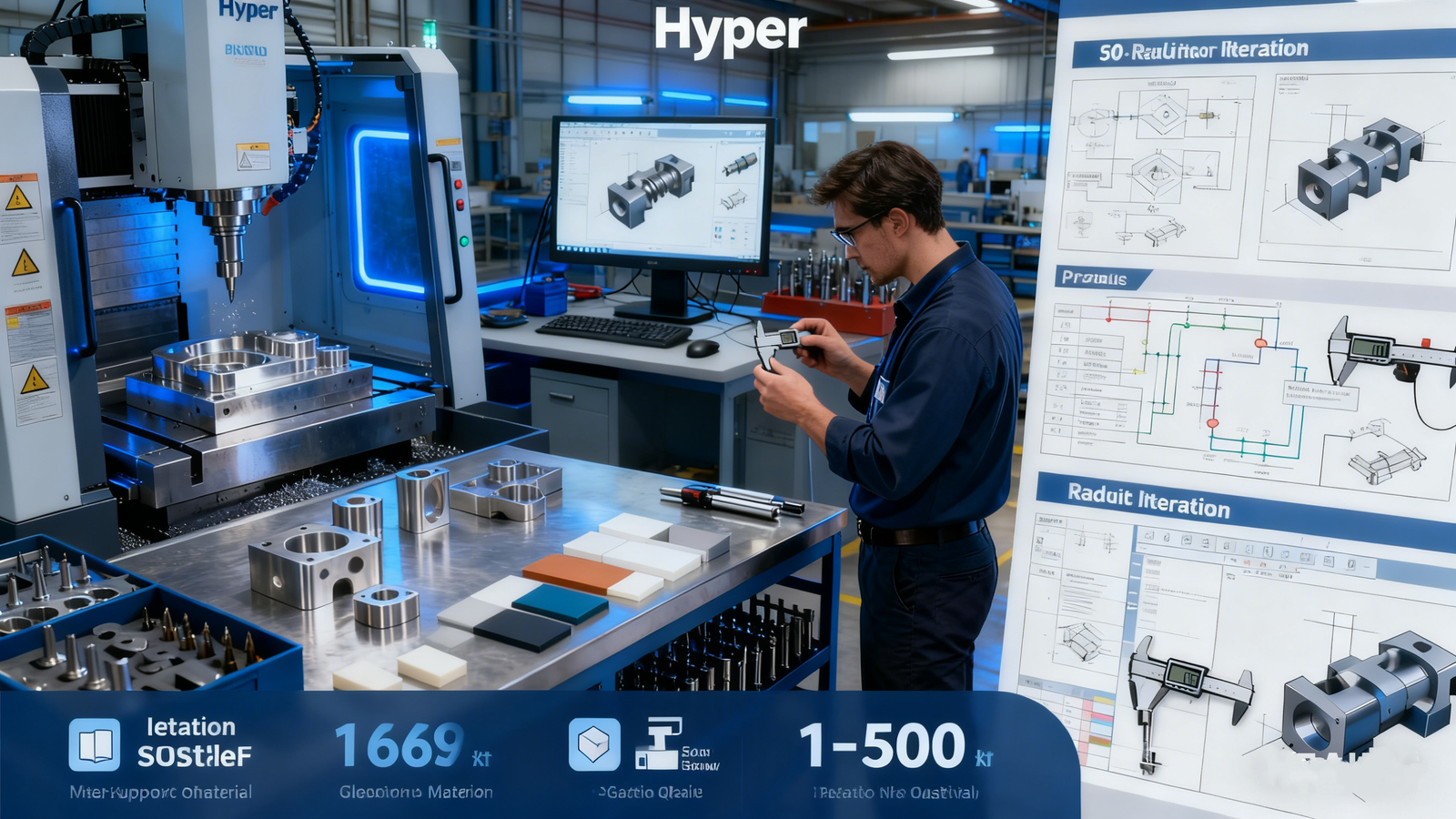
One of its main advantages is the ability to achieve production-grade quality5 without committing to high-volume manufacturing.
Why Choose Low Volume Machining Instead of Mass Production?
Low-volume machining is favored when speed, flexibility, and precision are more important than unit price. It avoids mold costs and supports rapid product validation6.
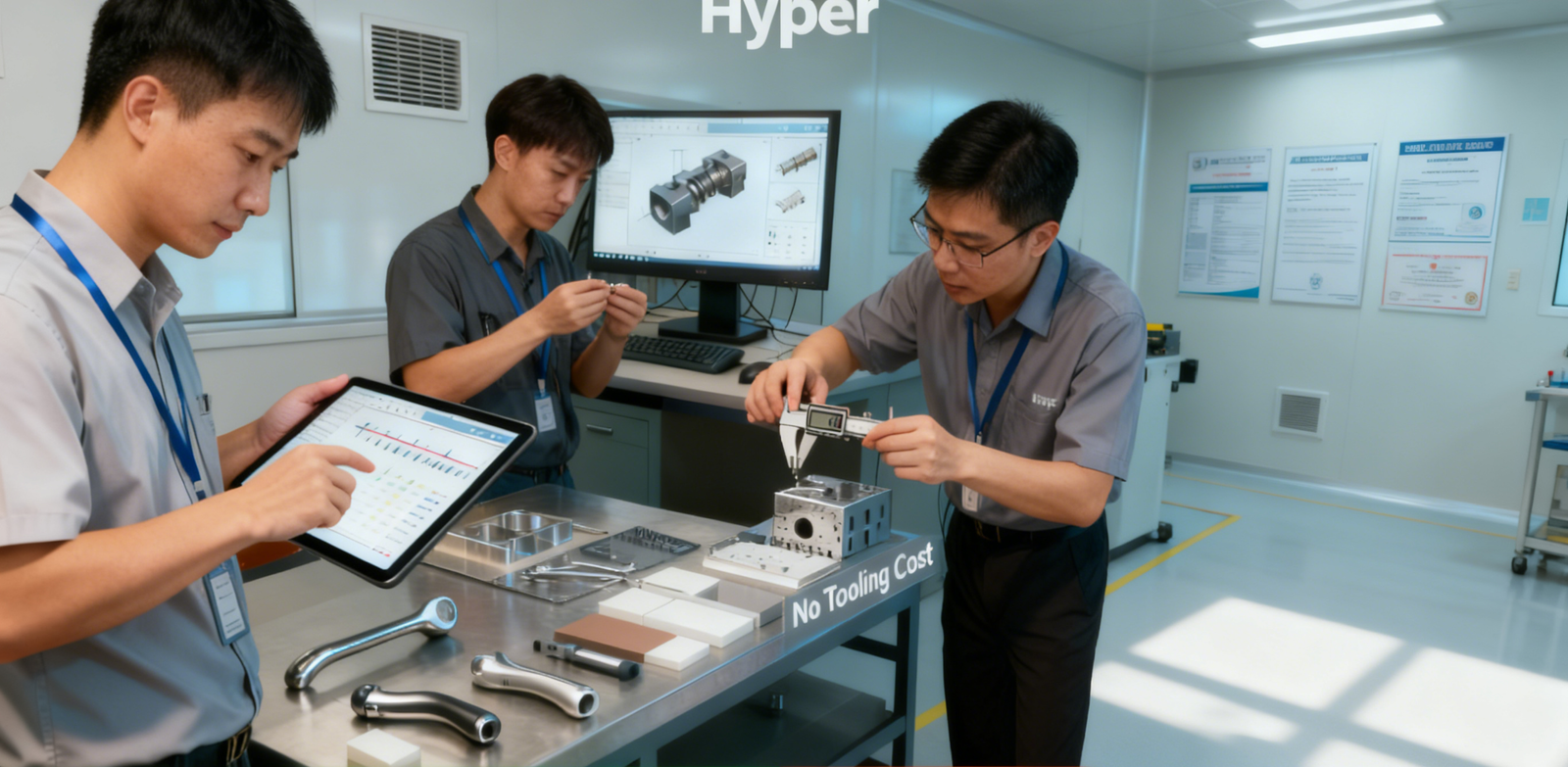
Key advantages include:
- Lower upfront investment
- Faster prototype and sample delivery
- High compatibility with various metals and plastics
- Easy design modifications
- Stable and repeatable accuracy
For early-stage development, low-volume machining helps reduce financial and technical risks.
What Materials Are Suitable for Low Volume CNC Machining?
Many metals and plastics can be machined in low volumes, from aluminum to engineering-grade plastics.
Common Material Options Table
| Material Type | Examples | Typical Applications | Notes |
|---|---|---|---|
| Metals | Aluminum, Stainless Steel, Brass, Copper, Titanium | Aerospace parts, medical housings, mechanical components | Strong, durable, good precision |
| Plastics | ABS, Nylon, POM, PC, Peek | Enclosures, fixtures, low-weight components | Lightweight, easy to machine |
| Specialty Alloys | Inconel, Magnesium | High-temp or ultra-lightweight applications | Machining difficulty varies |
Material selection greatly influences part performance, machining time, and finishing requirements.
How to Evaluate a Low Volume CNC Machining Service Provider?
Evaluating a supplier’s technical expertise and communication efficiency is essential. A capable service provider ensures stable quality and smooth production flow.
Key considerations:
- Ability to hold tight tolerances
- Multi-axis machining availability
- Internal quality control process
- Reliable material sourcing channels
- Engineering feedback and feasibility review
A dependable supplier should deliver both technical accuracy and professional project coordination.
Can Low Volume CNC Machining Handle Complex Geometries?
Yes. With advanced 4-axis and 5-axis machining, complex shapes can be produced with high consistency even in small quantities.
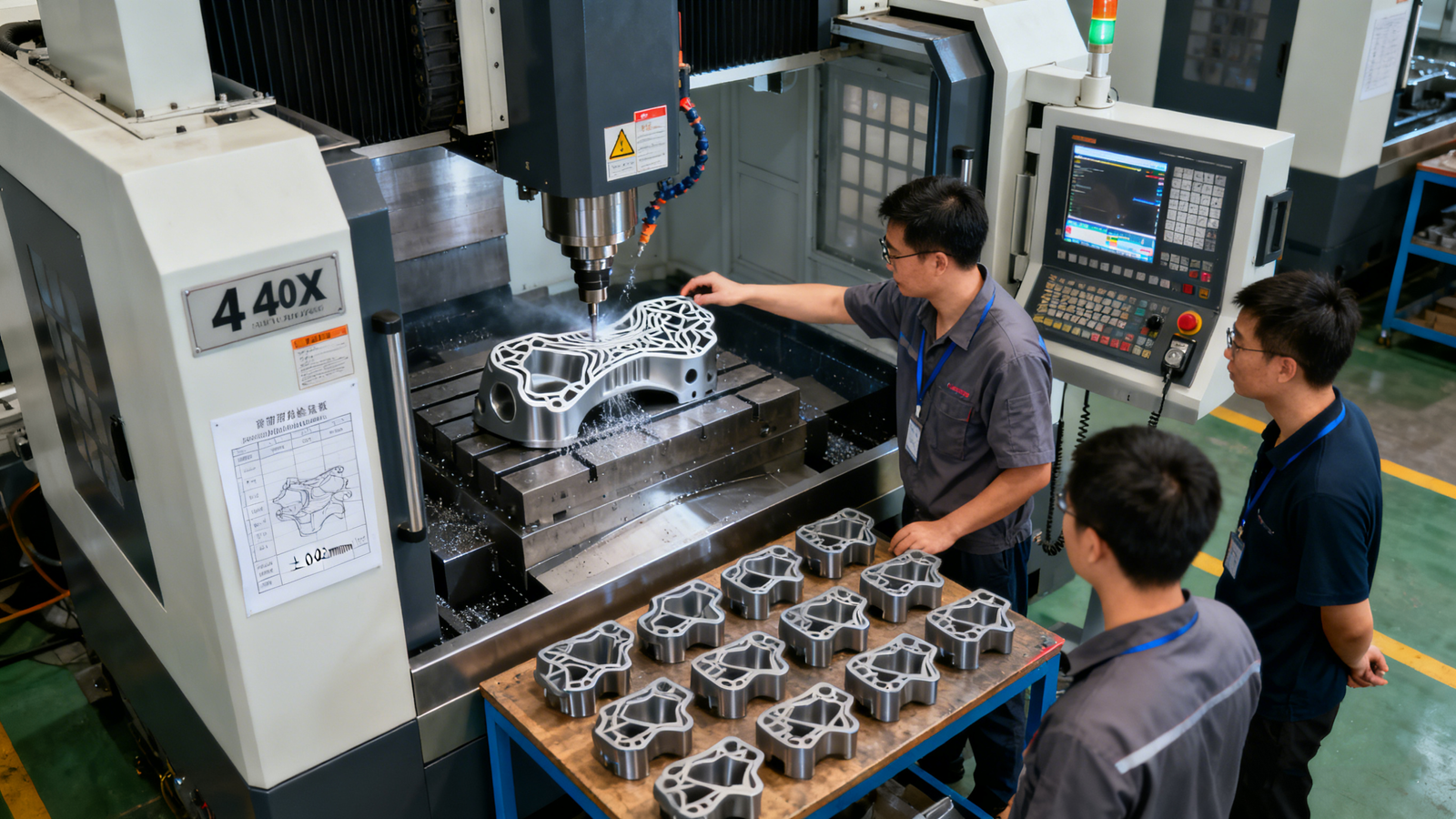
CNC machining is capable of handling intricate contours, deep pockets, undercuts, and multi-surface features.
This makes low-volume machining particularly valuable for functional prototypes and custom-designed parts.
Is Low Volume CNC Machining Cost-Effective?
Although unit costs can be higher than mass production, it eliminates mold investment and reduces overall development costs.
Cost is typically influenced by:
- Material type
- Machining time
- Surface finishing
- Part complexity
For custom components or early testing phases, low-volume machining often provides the best balance of speed and flexibility.
FAQ — Common Questions About Low Volume CNC Machining
What is the typical lead time7 for low-volume CNC parts?
Lead times generally range from a few days to two weeks depending on complexity and finishing. Fast delivery remains one of its strongest advantages.
Can surface finishing be applied to low-volume parts?
Yes. Options include anodizing, polishing, sandblasting, painting, and plating.
Is low-volume machining suitable for end-use products?
Yes. CNC machining delivers high precision and durability, making small-batch end-use production feasible.
Does low-volume CNC machining support engineering changes?
Absolutely. The process is highly flexible and supports design modifications at any stage.
Conclusion
Low volume CNC machining offers precision, flexibility, and fast turnaround, making it ideal for prototypes, pilot runs, and custom parts. Selecting the right machining partner ensures consistent quality and smoother development cycles.
For project evaluation or technical consultation:
👉 Contact us:
https://custommetalpro.com/contact-us/
-
Explore the advantages of low volume CNC machining for prototypes and small-batch production. ↩
-
Learn how CNC machining is used to create high-quality prototypes quickly and efficiently. ↩
-
Discover the importance of functional testing in ensuring product reliability and performance. ↩
-
Understand the concept of small-batch production and its benefits for businesses. ↩
-
Find out what production-grade quality means and why it’s crucial for product success. ↩
-
Explore how rapid product validation can speed up the development process. ↩
-
Understand the lead times involved in low volume CNC machining and their implications. ↩