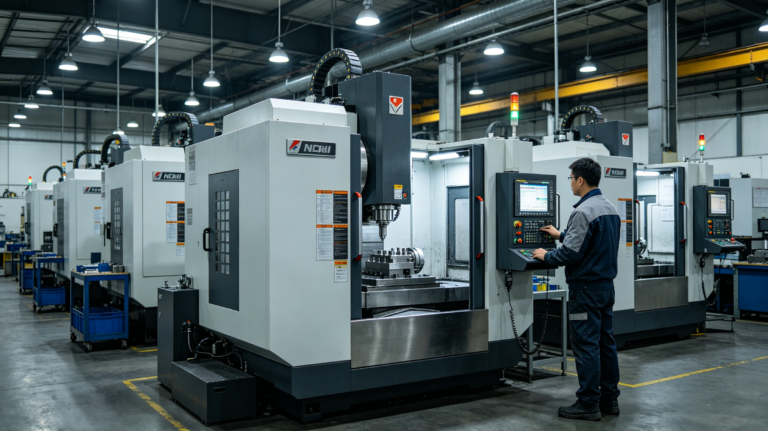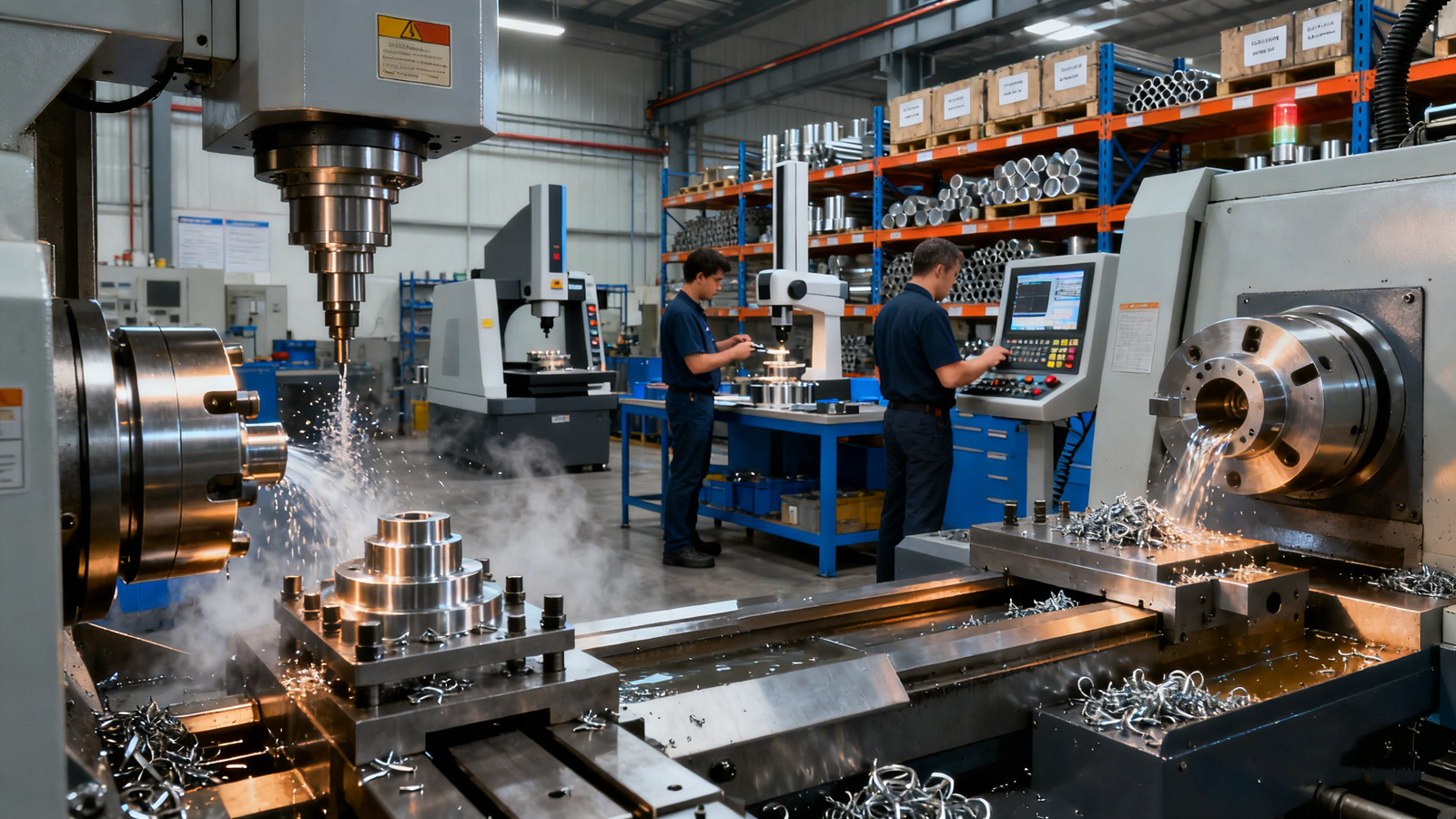
Finding a reliable metal machining company for custom parts production is essential for ensuring consistent quality, accurate tolerances, stable lead times, and dependable long-term supply. Choosing the right partner reduces production risks, while the wrong choice may lead to delays, defects, or increased operating costs.
Manufacturing Capabilities
A reliable machining company must offer capabilities that match the technical requirements of the project.
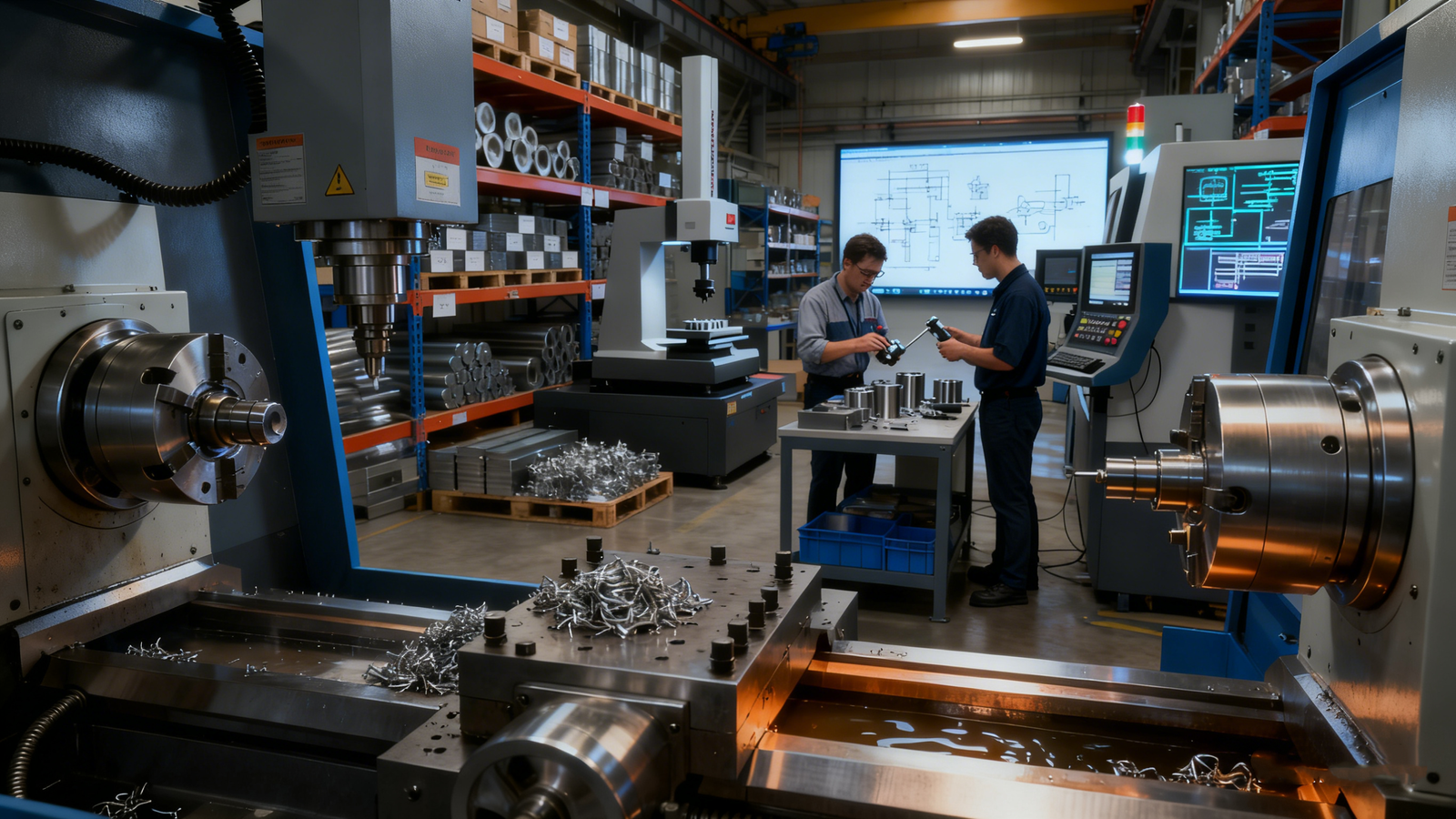
Key points to evaluate include:
- CNC milling and turning capabilities1
- Multi-axis machining options
- Achievable tolerance levels
- Experience with complex geometries
- Inspection and measurement equipment
A company with strong and well-maintained capabilities is more likely to deliver consistent precision.
Material Expertise
Different materials require different machining strategies. A qualified supplier should have experience with the materials used in the final application.

Important aspects to confirm:
- Supported metals such as aluminum, stainless steel, brass, copper, and titanium
- Ability to machine hard-to-cut materials
- Material certifications and traceability systems2
Good material knowledge helps achieve better accuracy and efficiency.
Quality Control Standards
Quality control is one of the most important indicators of supplier reliability.
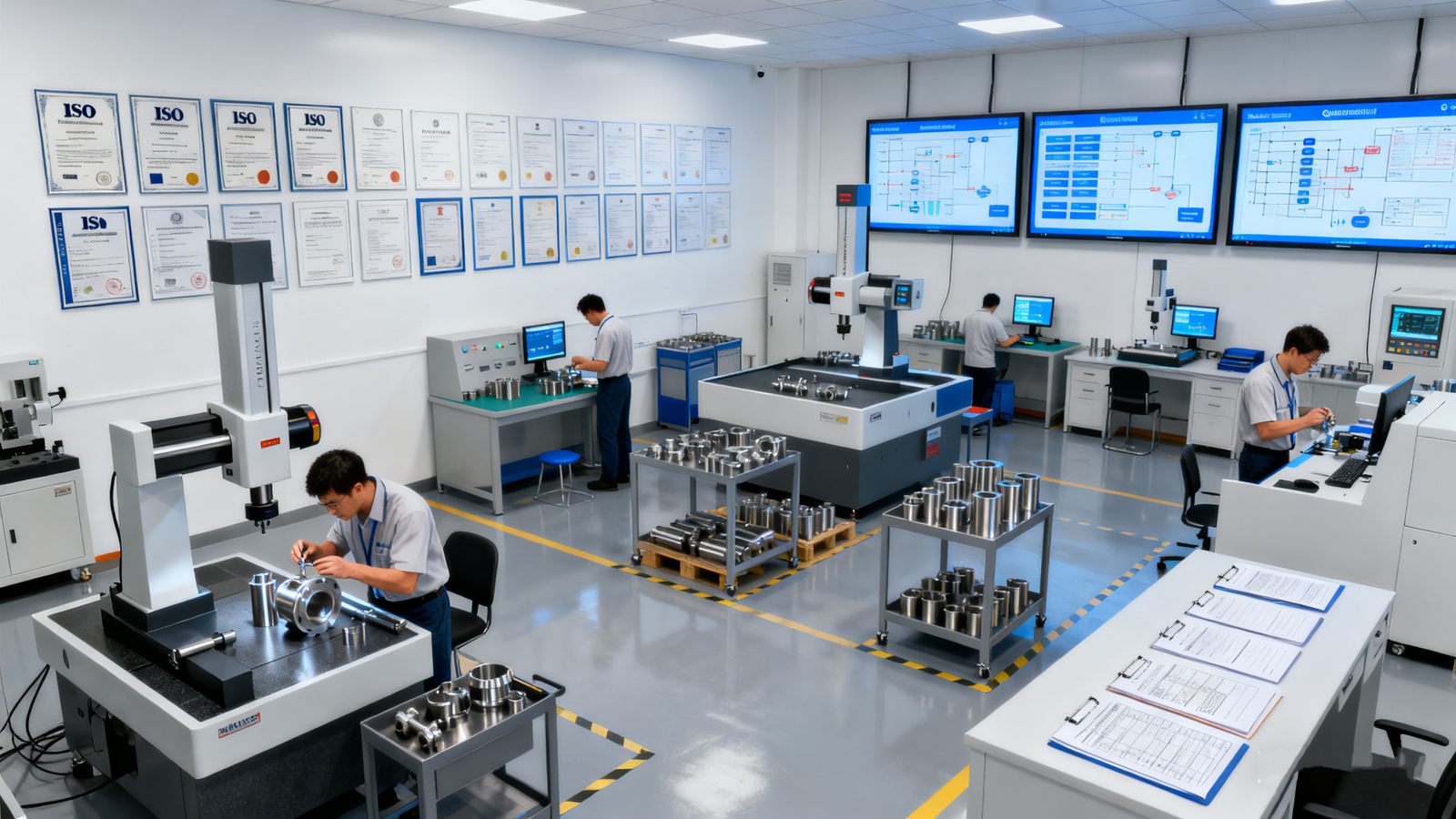
Key elements to check:
- ISO certifications3
- In-process and final inspections
- CMM and advanced measurement tools
- Full inspection documentation when required
- Transparent quality workflow
Strong quality systems ensure that each batch meets specifications.
Production Capacity and Scalability
A supplier should be able to support both current and future production needs.
Consider evaluating:
- Low-volume prototyping capacity4
- Ability to support medium- and high-volume orders
- Lead-time consistency
- Flexibility to scale output
A scalable supplier reduces risks during urgent or large production cycles.
Communication and Project Management
Clear communication is essential for stable and long-term cooperation.
Evaluate supplier behavior such as:
- Response speed
- Technical understanding5
- Ability to provide suggestions or improvements
- Clear quotation details
- Accurate delivery timelines
Effective communication helps reduce unnecessary revisions.
Experience in Relevant Industries
Suppliers with industry-specific experience are more familiar with required standards and tolerances.
Industries that benefit from relevant expertise include:
- Automotive
- Aerospace
- Medical devices
- Industrial machinery
- Electronics
Industry knowledge helps ensure project requirements are met accurately.
Pricing Transparency and Cost Structure
Transparent pricing6 helps avoid unexpected costs and increases trust.
Factors to consider:
- Clear machining cost breakdown
- Material pricing transparency
- Post-processing or finishing fees
- Packaging and shipping details
A transparent quotation ensures better long-term planning.
Delivery Reliability and Logistics
Consistent on-time delivery reflects stable production control and logistics management.
Points to check:
- Average delivery time
- Logistics partners
- Packaging quality
- Export documentation capability
- Delivery schedule accuracy
Reliable logistics helps maintain stable production flow.
After-Sales Support
Strong after-sales service indicates responsibility and long-term commitment.
Key components include:
- Quick resolution of issues
- Rework or replacement when necessary
- Technical support
- Long-term supply stability
Reliable support helps build long-term cooperation.
Conclusion
Choosing a reliable metal machining company for custom parts requires evaluating manufacturing capabilities, material expertise, quality control processes, communication efficiency, delivery stability, and long-term service capabilities. A supplier who performs well in these areas can significantly improve production quality and reduce operational risks.
For project evaluation or machining support:
Contact us:
https://custommetalpro.com/contact-us/
-
Understanding CNC capabilities can help you choose the right machining partner for your project. ↩
-
Explore how material certifications ensure quality and reliability in machining processes. ↩
-
Learn about ISO certifications to ensure your supplier meets international quality standards. ↩
-
Discover the importance of low-volume prototyping for testing designs before full production. ↩
-
Explore how technical understanding enhances collaboration and project success. ↩
-
Learn about transparent pricing to avoid unexpected costs and build trust with suppliers. ↩