Choosing between steel and aluminum is one of the most important decisions you will make when designing CNC-machined parts. Steel and aluminum differ significantly in strength, weight, machinability1, and durability, and these differences will dramatically affect the performance of your final part.
If YOU want to optimize manufacturing cost, machining efficiency, and long-term reliability, choosing the right material early in the design stage is essential.
The Fundamentals of Steel vs. Aluminum in CNC Machining
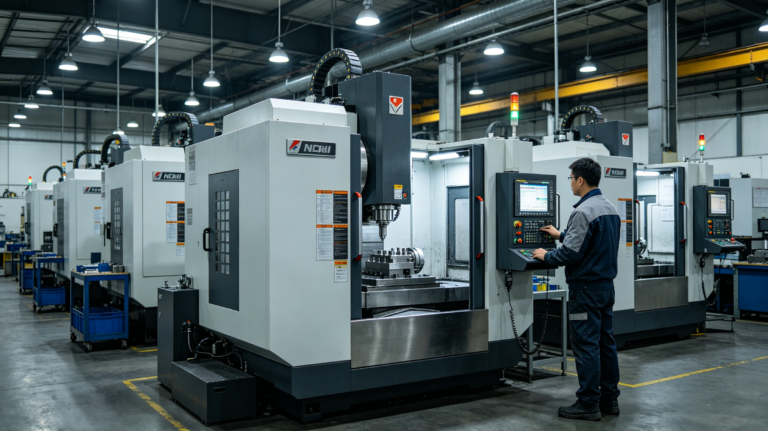
Steel and aluminum are both highly popular in CNC machining2, but they sit at opposite ends of the mechanical-performance spectrum.
Steel is known for its high strength, hardness, and durability.
Aluminum is known for being lightweight, highly machinable, and corrosion-resistant.
When choosing between them, YOU must consider:
- Required mechanical strength
- Component weight restrictions
- Corrosion environment
- Machining time and cost
- Surface finishing needs
- Long-term performance expectations
Matching material properties3 with application requirements is the key to selecting the correct metal for CNC machining.
Advantages of Aluminum for CNC Machining
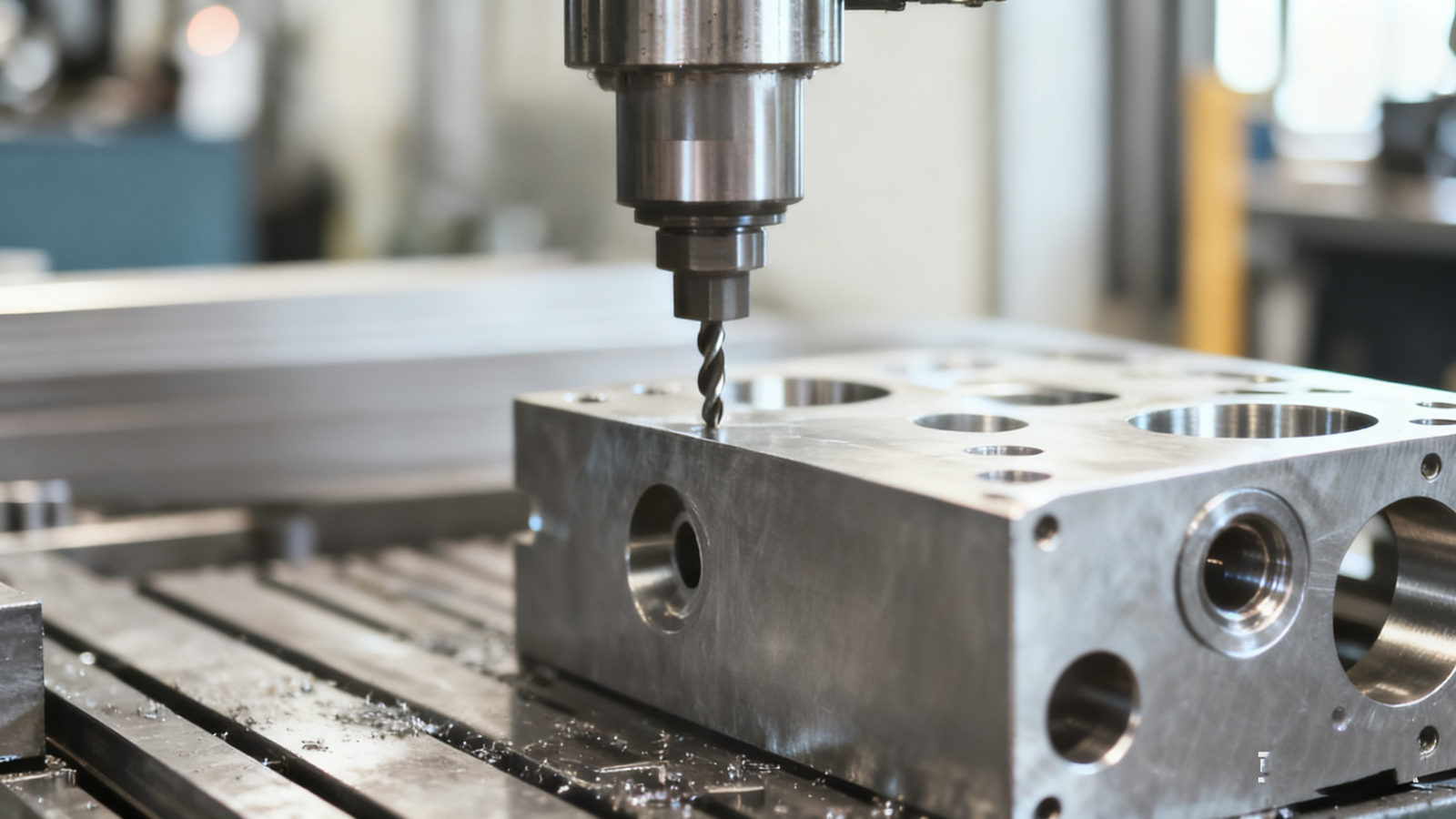
Aluminum offers multiple benefits that make it extremely attractive for modern machining, especially in industries where weight, cost, and speed matter.
Lightweight Performance
Aluminum has roughly ⅓ the density of steel, helping YOU build lighter components.
Lightweight aluminum parts improve efficiency and reduce energy consumption4 in aerospace, automotive, and robotics applications.
Excellent Machinability
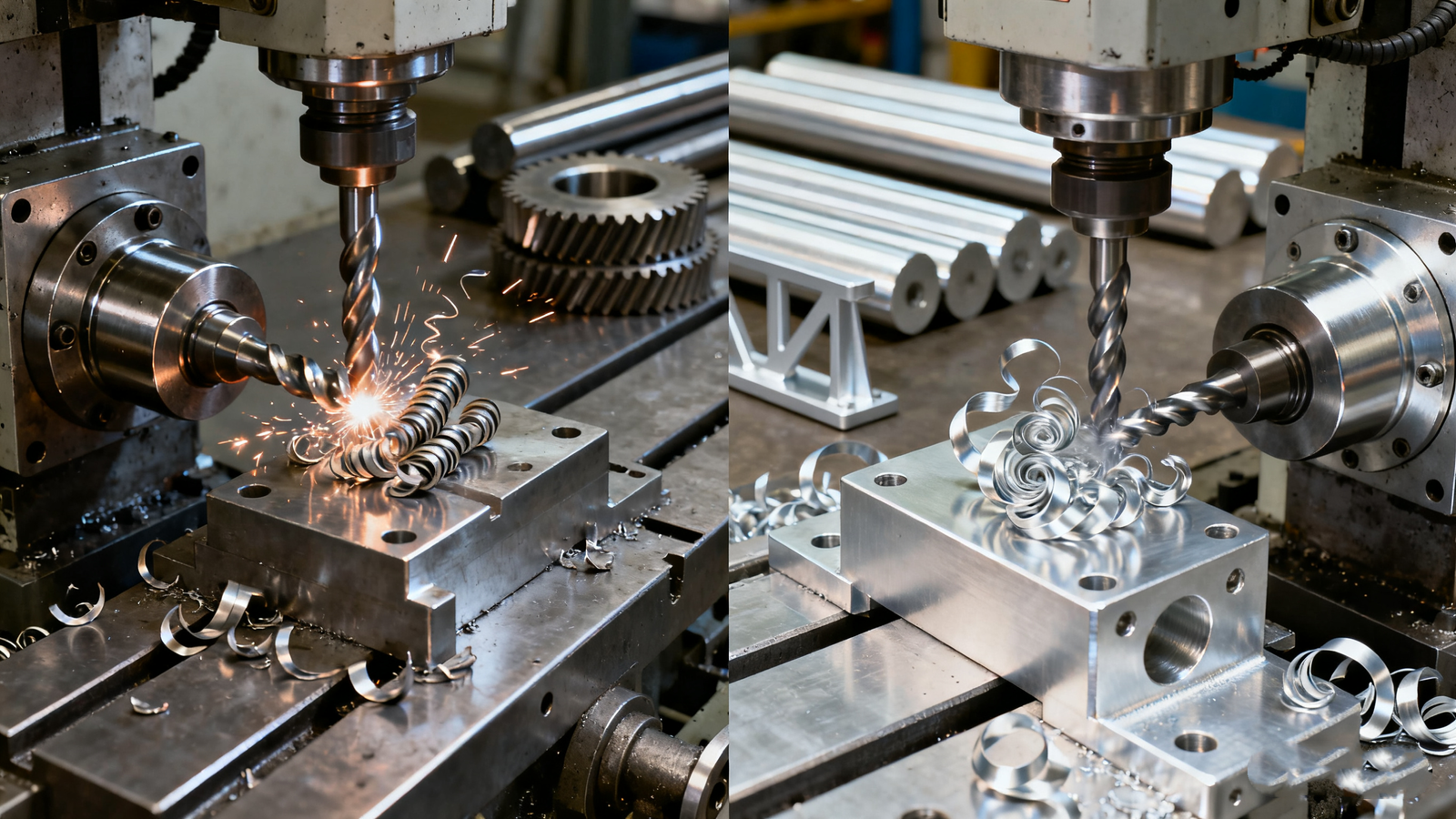
Aluminum machines 3–4x faster than steel:
- Lower cutting force
- Better chip evacuation
- Shorter machining cycle times
Faster machining translates directly into lower production cost.
Corrosion Resistance
Aluminum naturally forms a protective oxide layer, making it resistant to moisture and chemicals—even without coatings.
Cost-Effective
Aluminum’s low material cost combined with fast machining makes it one of the most economical CNC metals.
Advantages of Steel for CNC Machining
Steel dominates when YOU need uncompromising strength and performance.
Superior Strength and Hardness
Steel is significantly stronger than aluminum, offering:
- Higher load-bearing capability5
- Higher tensile strength
- Better fatigue resistance6
Steel is the preferred choice for structural, high-load, and safety-critical components.
Enhanced Wear and Heat Resistance
Carbon steels, alloy steels, and tool steels provide excellent performance under:
- High loads
- Sliding friction
- Elevated temperatures
Steel maintains its mechanical properties in demanding environments where aluminum would fail.
Better Dimensional Stability
Steel offers superior dimensional stability7 under heat and stress, making it ideal for precision machined parts.
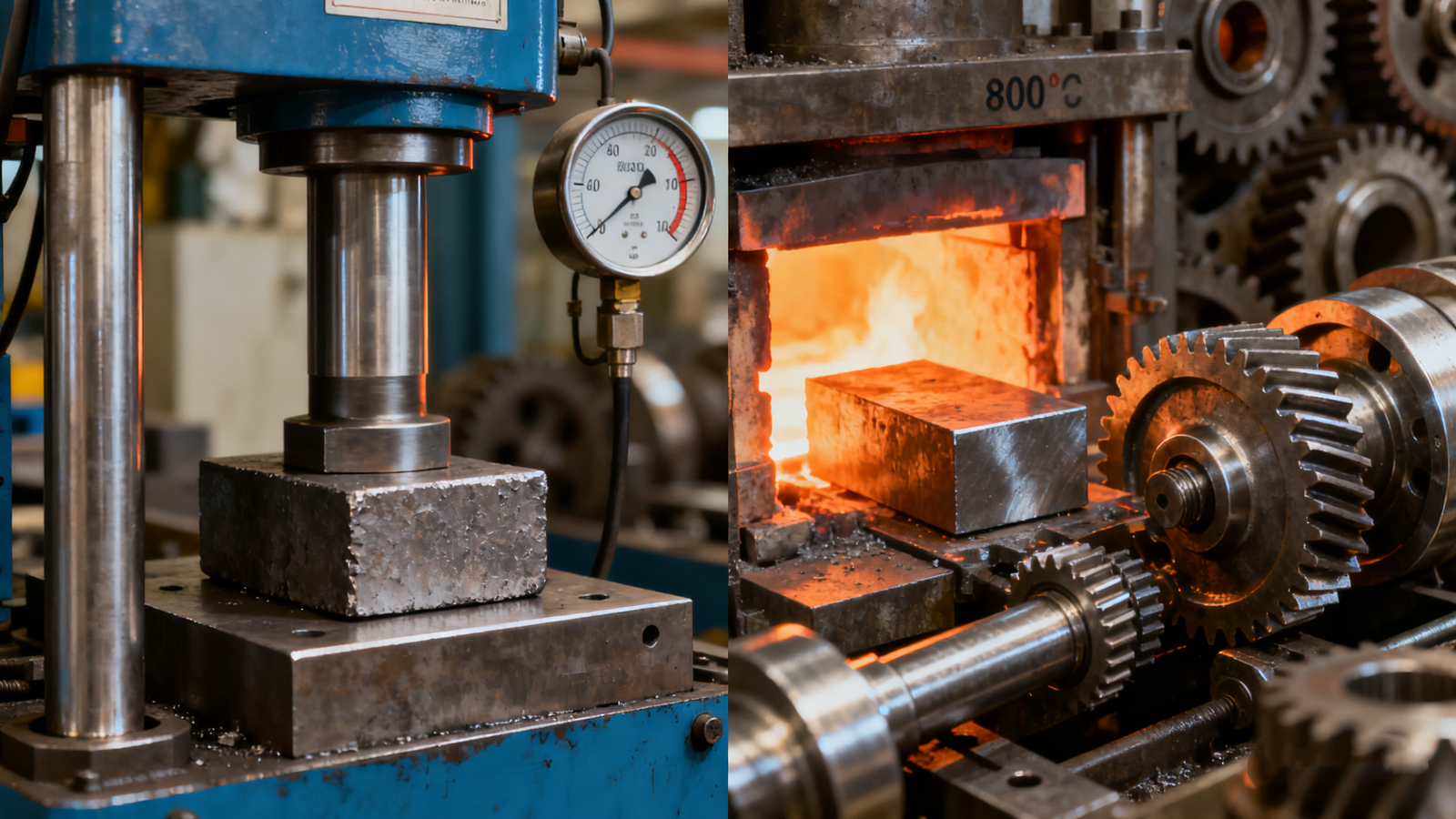
Challenges When Machining Steel vs. Aluminum
Even though both metals perform well, they introduce very different machining challenges.
Challenges of Aluminum
- Soft material → may cause built-up edge
- Lower modulus → more vibration
- Easy to scratch → requires careful handling
Aluminum requires controlled machining parameters to avoid tool sticking and surface defects.
Challenges of Steel
Steel typically demands more robust tooling and slower cutting speeds to maintain accuracy.
Critical Considerations When Choosing Steel or Aluminum
- Mechanical Requirements
Ask yourself:- Does the part need extreme strength? → Choose steel
- Does weight reduction matter? → Choose aluminum
Your mechanical performance requirements are the primary factor when choosing between these materials.
- Machining Speed and Cost
- Aluminum: Lower machining cost
- Steel: Higher machining time and tool cost
If machining efficiency9 is a priority, aluminum usually offers a better cost advantage.
- Corrosion Environment
- Aluminum: Naturally corrosion-resistant
- Steel: Needs coating such as plating or painting
Environmental exposure plays a major role in determining long-term material performance.
-
Heat Treatment Needs
Steel responds exceptionally well to heat treatment10, while aluminum has limited hardening capability. -
Surface Finishing
- Aluminum → anodizing
- Steel → plating, coating, black oxide
Both materials finish well, but aluminum provides more aesthetic and corrosion-resistant options.
Common Grades for CNC Machining
Popular Aluminum Grades
- 6061 — general purpose
- 7075 — high strength
- 2024 — excellent fatigue resistance6
6061 and 7075 are the two most widely used aluminum grades11 for CNC machining.
Popular Steel Grades
- 1018 — easy to machine
- 4140 — high-strength alloy
- 304 Stainless — corrosion-resistant
- 316 Stainless — marine-grade
Stainless steels like 304 and 316 are essential when corrosion resistance12 is a priority.
How Steel and Aluminum Compare
| Property | Aluminum | Steel |
|---|---|---|
| Weight | Very light | Heavy |
| Strength | Moderate | Very high |
| Machinability | Excellent | Moderate |
| Corrosion Resistance | High | Moderate–High (with coating) |
| Cost | Low–Medium | Medium–High |
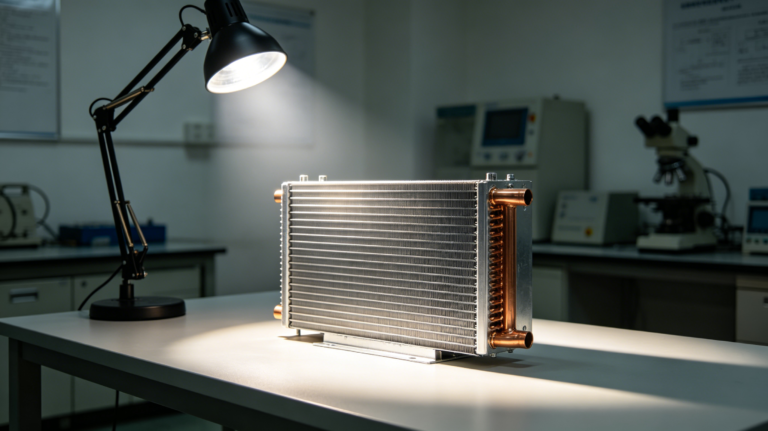
| Thermal Conductivity | High | Low |
| Surface Finishing | Anodizing | Plating / Coating |
Aluminum offers speed and efficiency, while steel delivers superior strength and durability.
Application Examples
When to Choose Aluminum
YOU should choose aluminum when you need:
- Lightweight components
- High machining efficiency
- Fast prototyping13
- High corrosion resistance12
Aluminum is ideal for high-precision, lightweight parts in aerospace, robotics, and consumer electronics.
When to Choose Steel
Choose steel when your part requires:
- High strength
- Wear resistance
- Heat resistance
- Tight tolerances under stress
Steel is the best option for gears, shafts, structural components, and heavy-duty industrial machinery.
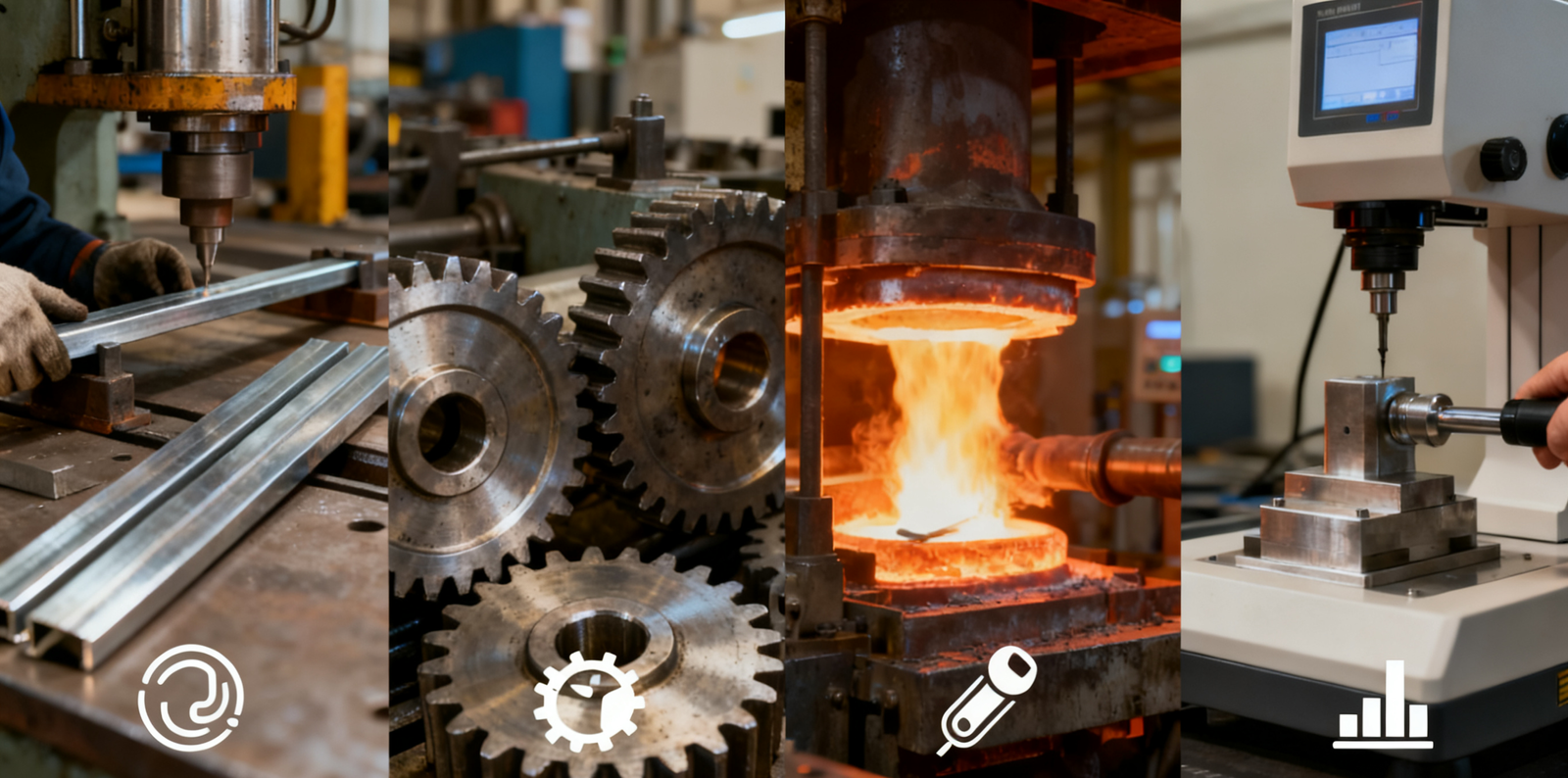
Cost Comparison and ROI
While aluminum is cheaper to machine, steel may offer better long-term durability.
| Factor | Aluminum | Steel |
|---|---|---|
| Machining Time | Short | Long |
| Tool Wear | Low | High |
| Material Cost | Lower | Higher |
| Long-Term Durability | Moderate | Excellent |
Aluminum minimizes upfront manufacturing cost, while steel provides the best long-term lifecycle value.
FAQs
-
Which is easier to machine — steel or aluminum?
Aluminum is much easier and faster to machine due to its lower hardness and better chip evacuation. -
Which material is better for prototypes?
Aluminum is the preferred choice for prototypes because of its low cost and fast machining speed. -
Which metal is better for high-temperature applications?
Steel performs better at high temperatures, especially alloy and tool steels. -
Does aluminum rust?
No — aluminum forms a natural oxide layer that prevents corrosion. -
Why choose steel if aluminum is cheaper?
Steel offers higher strength, better wear resistance, and longer service life.
Conclusion
Choosing between steel and aluminum for CNC machining ultimately depends on what YOU need from your parts.
If you want:
- Faster machining
- Lower cost
- Lightweight performance
→ Aluminum is your best choice.
If you need:
- High strength
- Long-term durability
- Superior wear and heat resistance
→ Steel is the better option.
Both materials deliver excellent performance when matched to the right application.
If YOU need expert guidance on selecting the right metal for your project, our engineering team is ready to help.
👉 Contact us here:
https://custommetalpro.com/contact-us/
-
Learn about the key factors that influence machinability, crucial for optimizing your machining processes. ↩
-
Explore this resource to understand the fundamentals of CNC machining and its applications. ↩
-
This resource will help you understand essential material properties for engineering applications. ↩
-
Understand the relationship between material selection and energy efficiency in manufacturing. ↩
-
Explore this link to understand load-bearing capabilities and their importance in material selection. ↩
-
Learn about fatigue resistance and its critical role in the longevity of mechanical components. ↩ ↩
-
Understand the concept of dimensional stability and its significance in precision machining. ↩
-
This resource provides insights into tool wear, helping you select the right tools for your machining tasks. ↩
-
Discover strategies to enhance machining efficiency, reducing costs and time in production. ↩
-
This resource explains the effects of heat treatment on metals, crucial for enhancing performance. ↩
-
Find detailed information on aluminum grades to choose the right one for your machining needs. ↩
-
Discover the importance of corrosion resistance in material selection for various applications. ↩ ↩
-
Explore this link to find out which materials are ideal for rapid prototyping in various industries. ↩