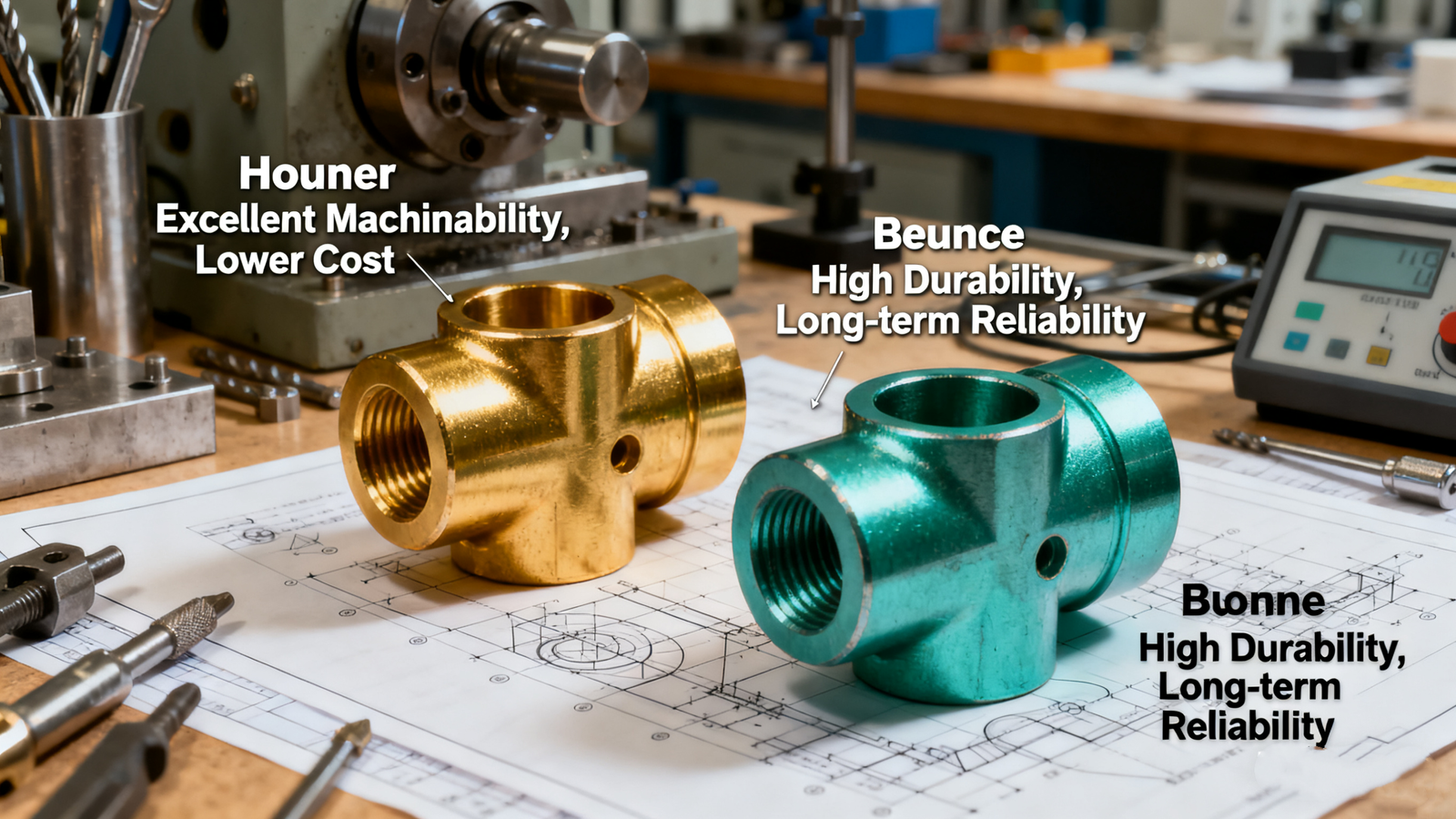
Choosing between brass and bronze for your metal parts is not just a materials question — it’s a decision that directly affects machining efficiency1, durability2, cost, and long-term reliability3. When YOU are responsible for making sure your components perform exactly as expected, selecting the right alloy becomes essential.
This guide gives you clear, practical insights so you can choose the material that truly supports your project goals, production needs, and budget.
Understanding the Fundamental Differences
Brass and bronze are both copper-based alloys4, but their compositions and behaviors differ in ways that matter for real-world applications. Understanding these differences helps YOU choose a material that aligns with your functional requirements.
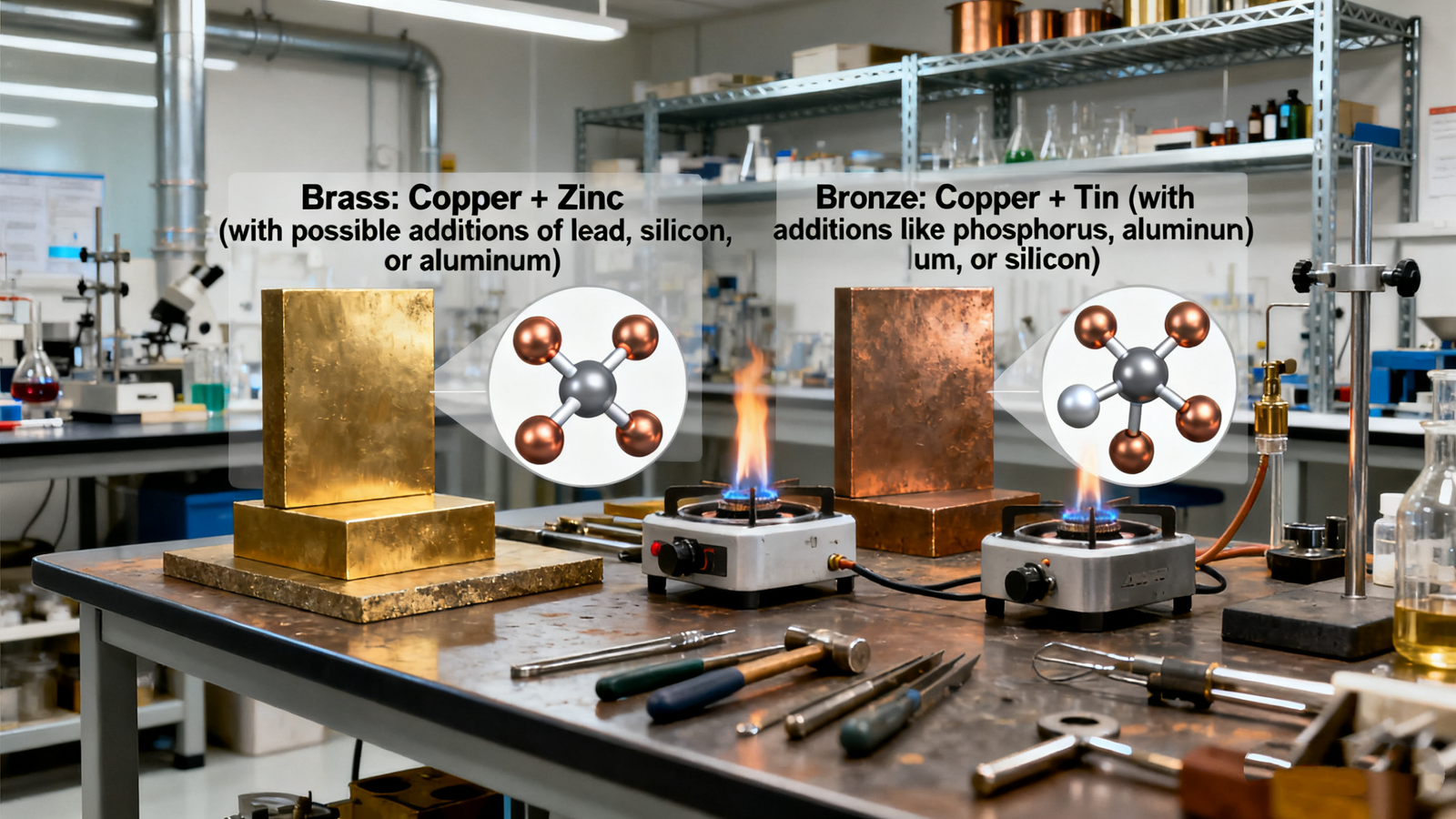
Basic composition:
- Brass: Copper + Zinc (with possible additions of lead, silicon, or aluminum)
- Bronze: Copper + Tin (with additions like phosphorus, aluminum, or silicon)
Key Property Comparison
If YOU care about fast machining, smoother finishes, and shorter production cycles, brass gives you a clear advantage.
If YOU need strength, wear resistance5, or long-term performance under load, bronze delivers better results.
| Property | Brass | Bronze |
|---|---|---|
| Tensile Strength | 300–700 MPa | 350–1000 MPa |
| Machinability | Excellent (80–100%) | Good (20–60%) |
| Corrosion Resistance | Excellent | Very Good |
| Wear Resistance | Fair | Excellent |
| Thermal Conductivity | 100–150 W/m·K | 40–80 W/m·K |
| Cost | Lower | Higher |
Machining and Manufacturing Considerations
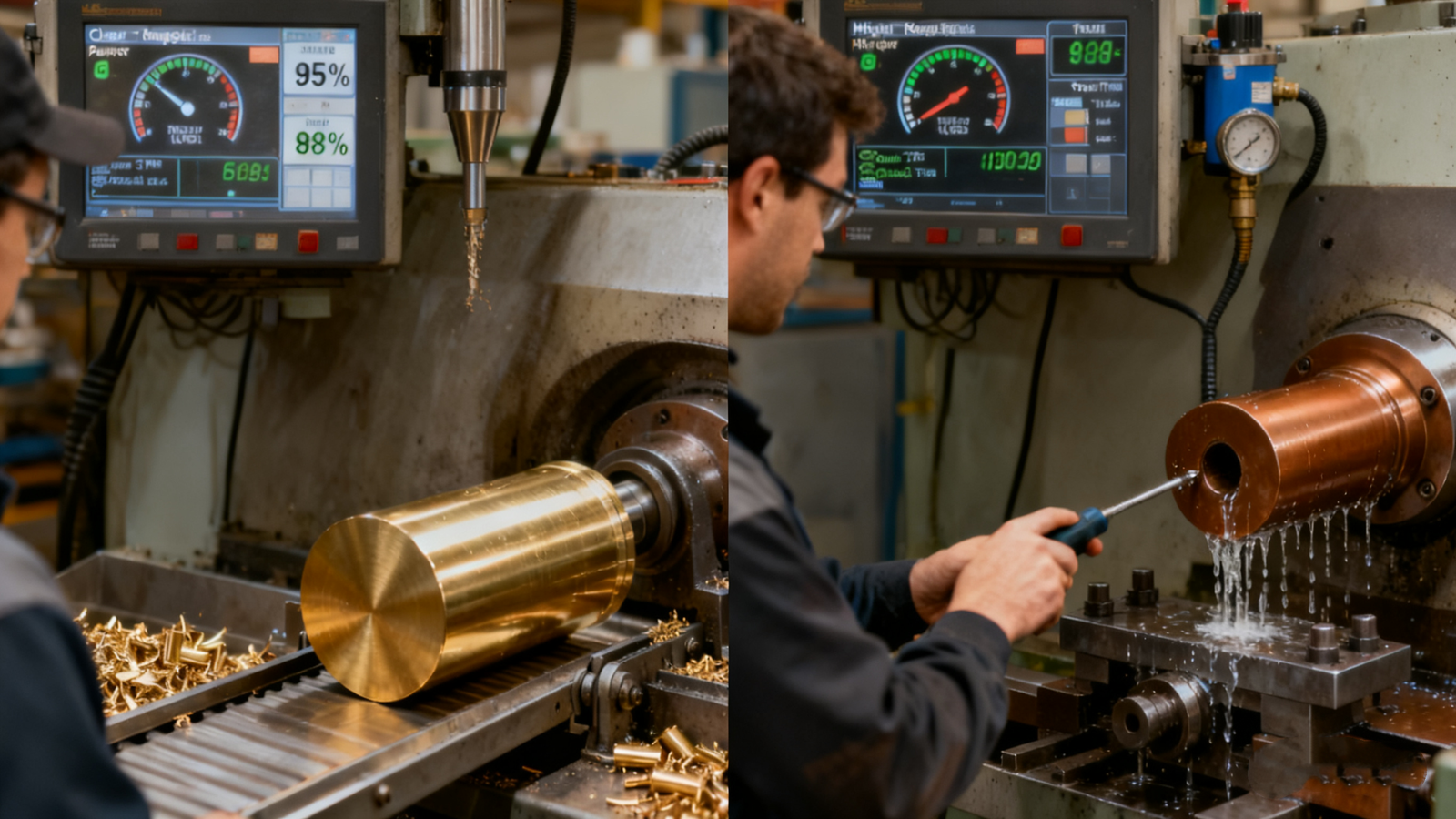
Brass offers predictable machining, stable tool life, and fast cycle times — ideal if YOU want efficiency.
Bronze, although stronger, requires more controlled machining parameters.
Brass machining advantages:
- Clean, predictable chip formation
- Cutting speeds up to 300% faster
- Longer tool life
- Lower power consumption
- Naturally smooth surface finish
Bronze machining considerations:
- Needs optimized cutting parameters
- Generates higher cutting forces
- May require specialized tooling
- Often needs stronger coolant flow
- Longer cycle times
Corrosion Resistance and Environmental Performance
Both materials resist corrosion well, but your environment determines which one performs better.
Brass corrosion characteristics:
- Excellent in freshwater
- Strong atmospheric resistance
- Risk of dezincification in aggressive water
- May crack in ammonia environments
Bronze corrosion advantages:
- Superior seawater resistance
- Stable at high temperatures
- Forms a protective patina6
- Strong resistance to many chemicals
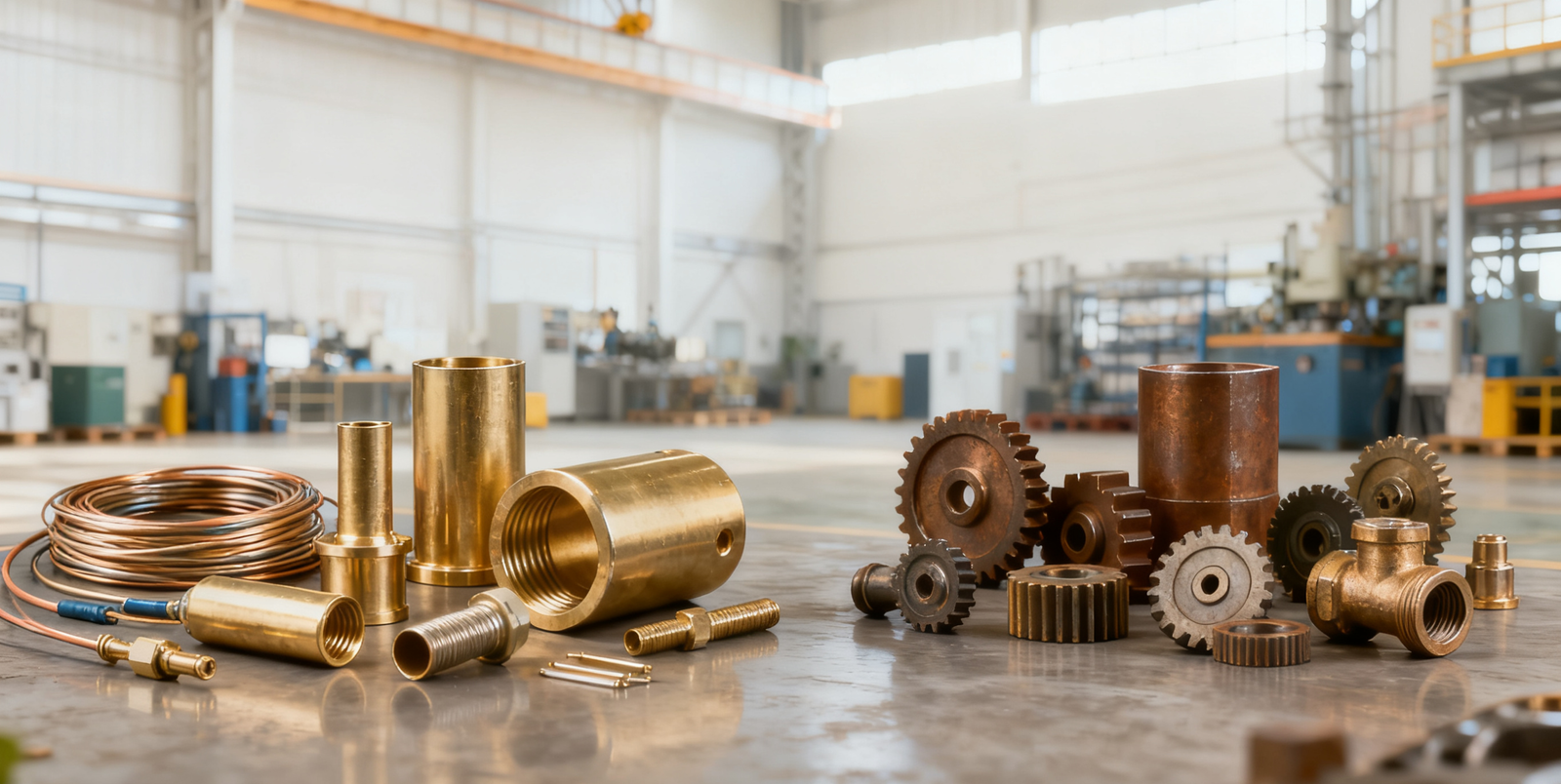
Application-Specific Selection Guidelines
Your material choice should reflect your application’s functional needs.
Choose brass when YOU need:
- Fast machining
- High-volume production
- Good electrical conductivity
- Attractive appearance
- Lower friction for light-load bushings
Choose bronze when YOU need:
- High strength
- Superior wear resistance
- Marine-grade corrosion performance
- High load-bearing capacity
- High temperature stability
Cost Analysis and Economic Considerations
If YOU want to reduce machining time and keep material costs under control, brass is usually more economical.
Bronze costs more upfront but excels in long-term durability.
Cost factors:
- Brass is typically 15–30% cheaper
- Brass requires less machining time
- Bronze lasts longer in high-wear environments
- Bronze reduces replacement frequency
Specific Alloy Selection Guide
Choosing the right alloy grade ensures YOU get the performance your part requires.
Common brass alloys:
- C36000 – Free-cutting, excellent machinability
- C26000 – Strong + highly formable
- C46400 – Naval brass for marine applications
- C48500 – Leaded brass for complex machining
Common bronze alloys:
- C93200 – Bearing bronze
- C95400 – Aluminum bronze, very strong
- C51000 – Phosphor bronze, fatigue-resistant
- C90500 – Gunmetal for casting
Manufacturing Process Compatibility
Your manufacturing method can make one material more suitable than the other.
Casting:
- Brass is excellent for complex cast shapes
- Bronze better for heavy-duty, strong cast components
- Brass typically has better as-cast finish
- Bronze shrinks less during cooling
Machining & fabrication:
- Brass ideal for CNC turning7 & milling
- Bronze works well with sand or centrifugal casting8
- Brass performs better in cold forming
- Both alloys weld and braze with proper technique
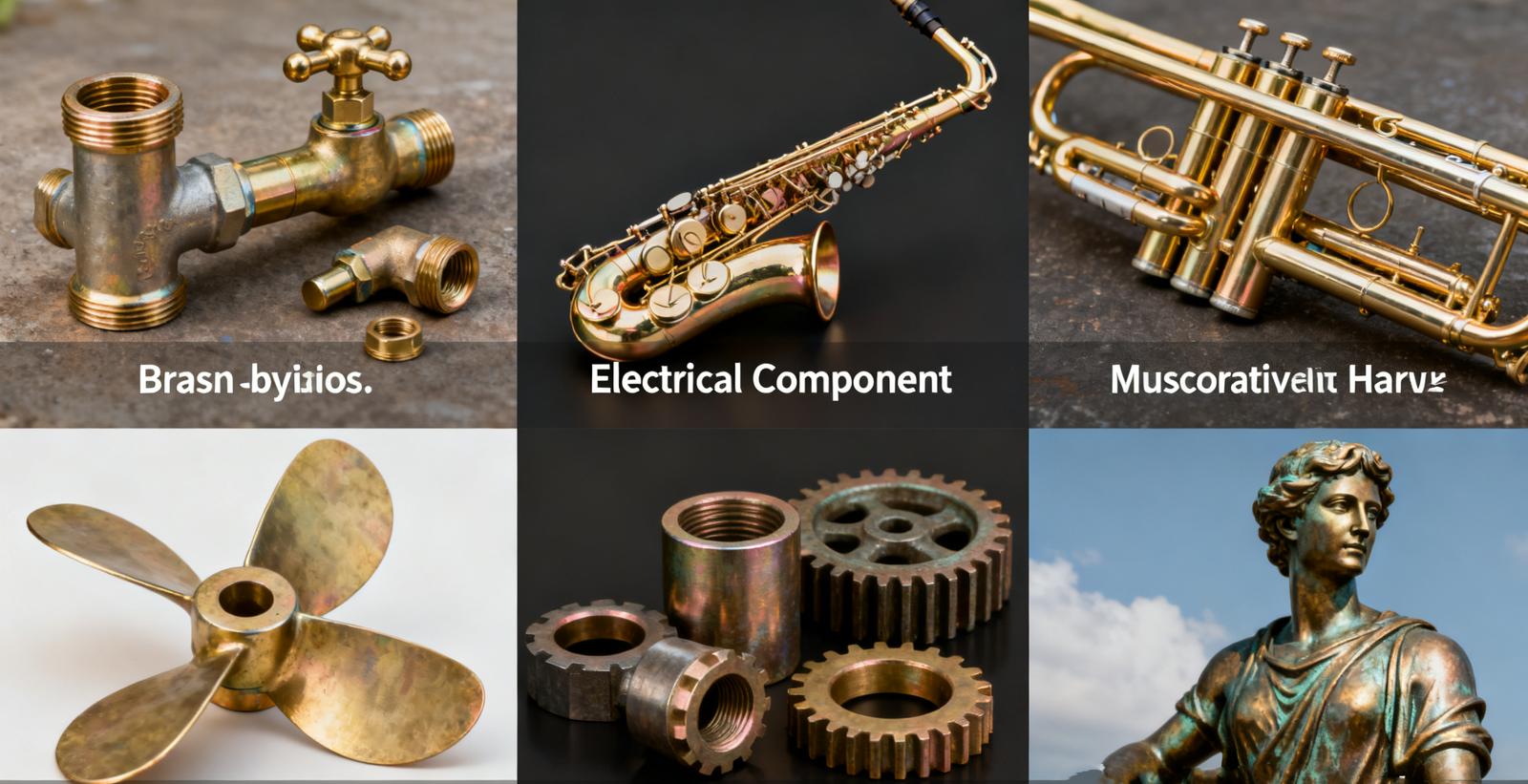
Industry-Specific Applications
Different industries rely on each alloy based on long-term performance results.
Brass-dominated uses:
- Plumbing parts
- Electrical components
- Musical instruments
- Decorative hardware
- Ammunition parts
Bronze-preferred uses:
- Marine propellers and fittings
- Bearings and bushings
- Gear components
- High-pressure valve components
- Statues & outdoor structures
Performance in Specialized Environments
If your parts need to withstand heat, saltwater, or chemicals, the right alloy makes a big difference.
High temperature:
- Brass is not ideal above 200°C
- Bronze performs well at 400°C+
- Bronze develops more protective oxides
Chemical exposure:
- Both need proper selection in acidic environments
- Bronze better in alkaline conditions
- Bronze superior in saltwater
- Special alloys needed for chlorine exposure
Maintenance and Lifecycle Considerations
Understanding long-term maintenance helps YOU choose the right material.
Maintenance factors:
- Bronze typically lasts longer under wear
- Both materials develop protective patina6s
- Bronze reduces replacement frequency
- Cleaning needs are similar for both
Making the Final Decision
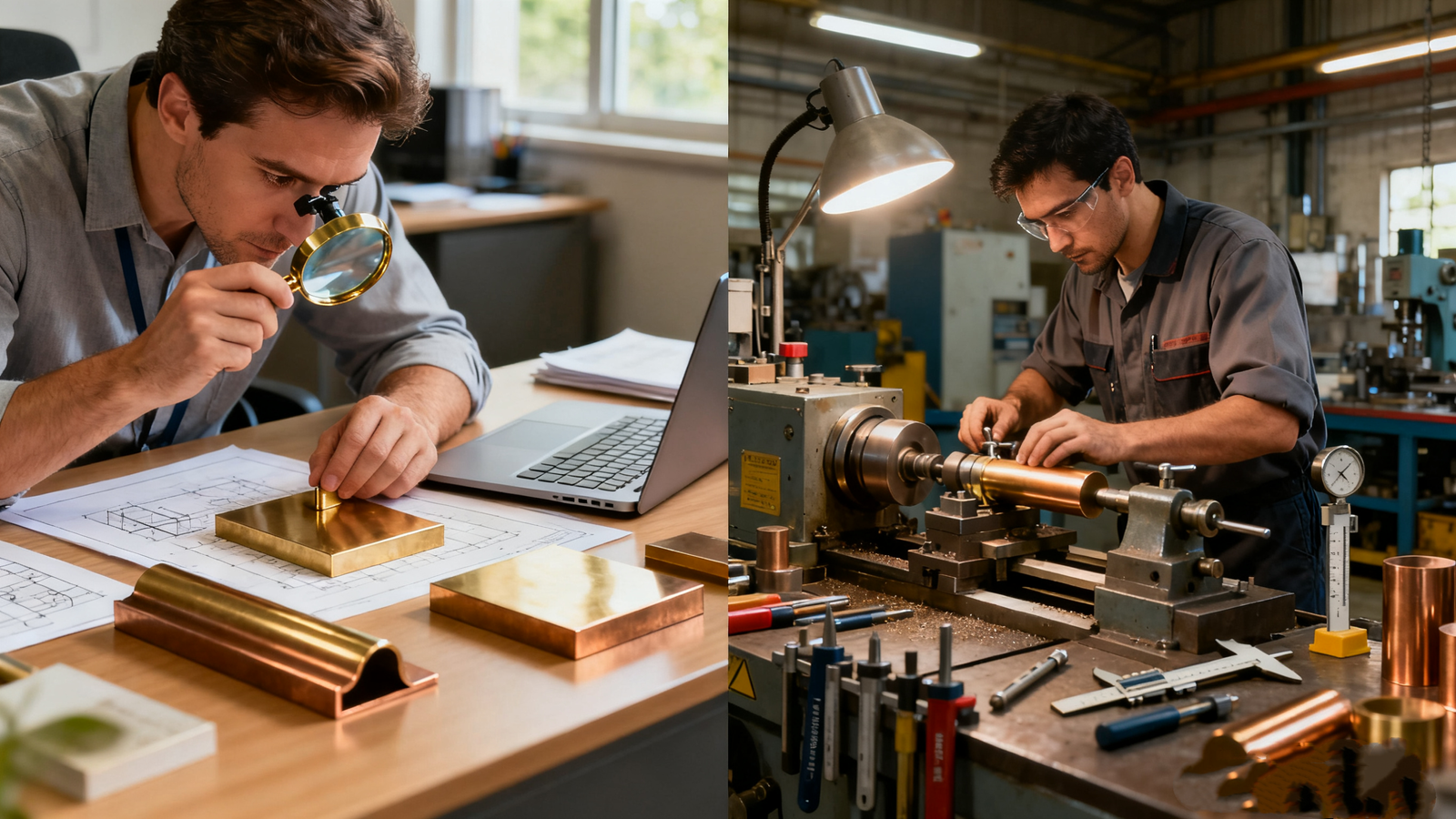
Choosing between brass and bronze becomes easier when YOU consider your real performance needs.
Decision framework:
- Define load, speed, and environment
- Review manufacturing constraints
- Compare initial cost vs lifecycle performance
- Consider industry standards
- Review similar past applications
- Consult your manufacturer for expert advice
Conclusion
Both brass and bronze offer valuable benefits — the key is choosing the alloy that supports your specific part requirements, your budget, and your durability expectations.
Choose brass if you want:
- Fast machining
- Lower cost
- Good electrical performance
- Smooth surface finishes
Choose bronze if you want:
- High strength
- Wear resistance
- Marine-grade durability
- Stability at high temperatures
Need Expert Material Guidance?
If YOU want engineering-backed guidance for choosing the right material for your drawings or components, our team is ready to support you.
👉 Send us your drawings today — we’ll recommend the best alloy and provide a fast quotation.
Why manufacturers trust our support:
- Professional engineering assistance9
- Deep experience with brass and bronze machining
- Efficient manufacturing workflows
- Full QC inspection reports
- Fast prototyping & low-volume production
📩 Contact Us
If you’re ready to discuss your project or need personalized material recommendations, you can reach us here:
➡️ https://custommetalpro.com/contact-us/
-
Understanding machining efficiency can help you optimize production processes and reduce costs. ↩
-
Exploring durability can guide you in selecting materials that enhance the longevity of your products. ↩
-
Discovering long-term reliability can ensure your components perform consistently over time. ↩
-
Understanding copper-based alloys can broaden your knowledge of material options for various applications. ↩
-
Understanding wear resistance is crucial for selecting materials that endure friction and wear. ↩
-
Exploring protective patinas can help you understand how materials resist corrosion over time. ↩ ↩
-
Discovering CNC turning can enhance your understanding of precision machining techniques. ↩
-
Learning about casting processes can help you choose the right method for your components. ↩
-
Learning about engineering assistance can guide you in making informed material choices for your projects. ↩