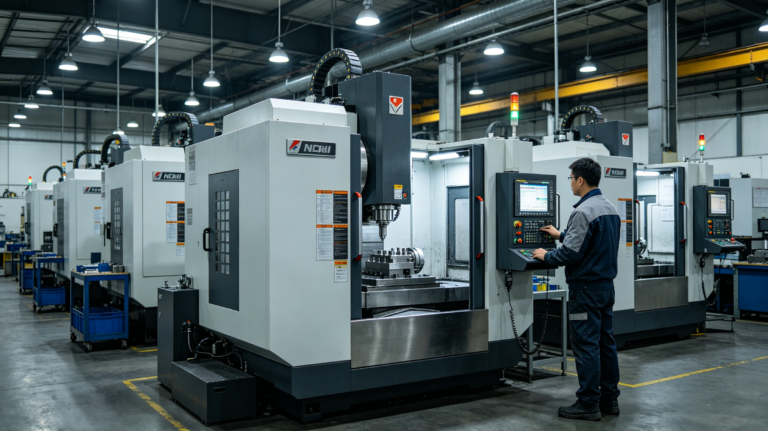
In the precision-driven world of custom metal part manufacturing1, avoiding common design mistakes2 can mean the difference between project success and costly failures. Whether you’re creating automotive components, medical devices, or industrial equipment, understanding these pitfalls ensures your designs translate efficiently from CAD to finished product while maintaining quality and budget.
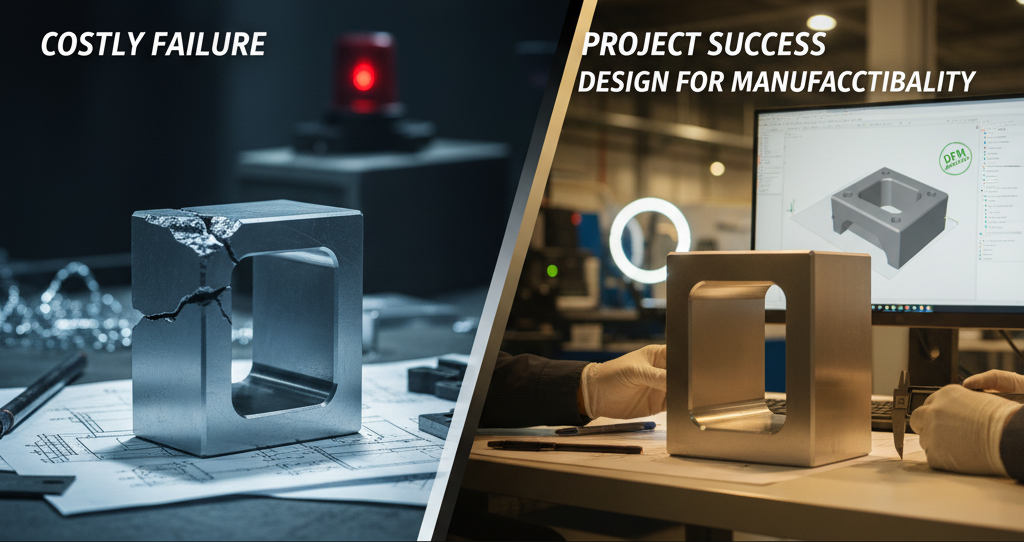
The Fundamentals of Custom Metal Part Design
Custom metal part design requires balancing aesthetic vision with manufacturing reality. Successful designs consider manufacturing capabilities, material properties, and cost constraints from the earliest conceptual stages.
Key fundamentals include:
- Manufacturing process compatibility: Designs must align with chosen production methods
- Material selection: Mechanical properties must match functional requirements
- Tolerance specification: Balancing precision needs with manufacturability
- Cost optimization: Designing for efficiency without compromising function
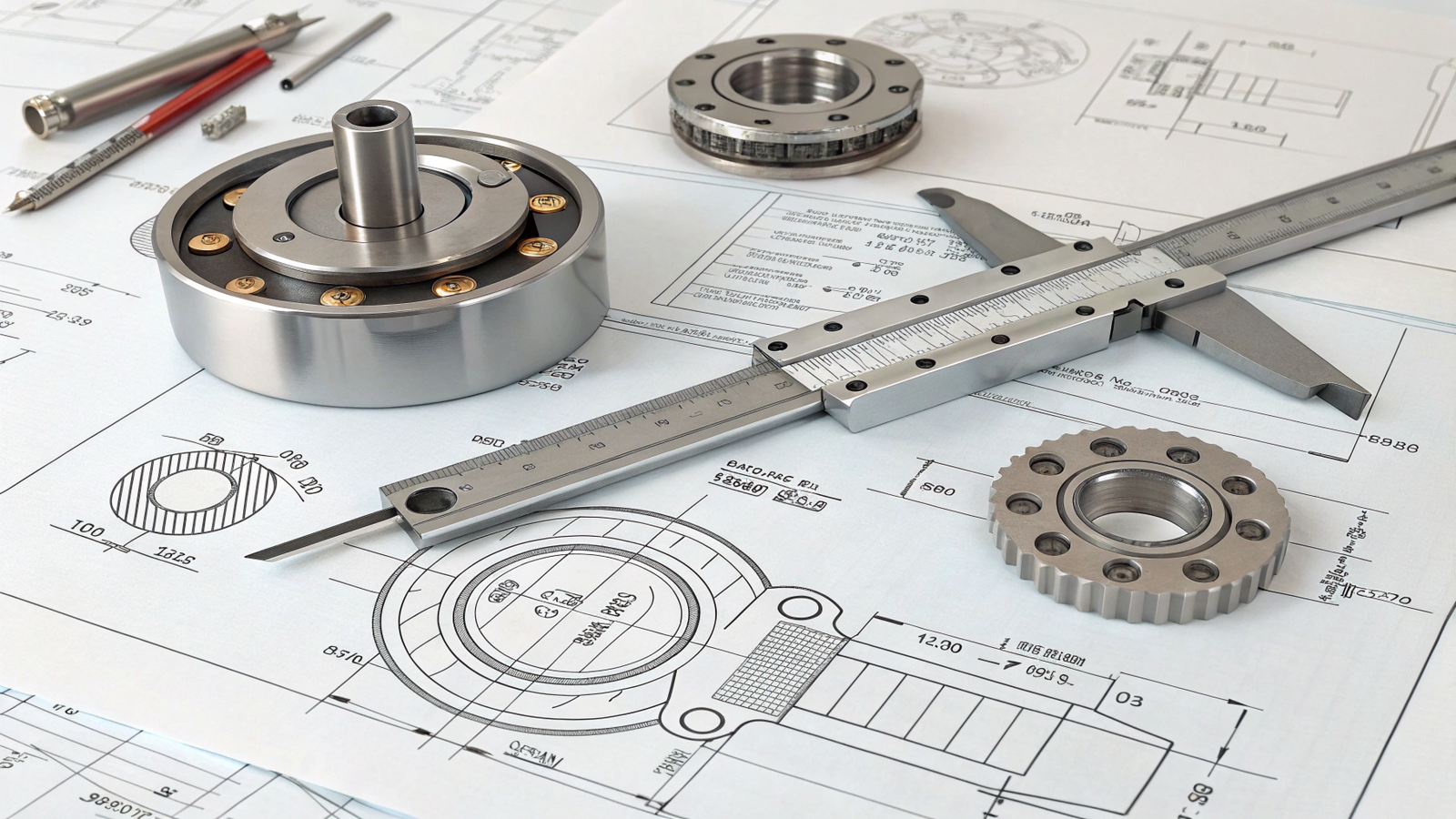
Top 5 Design Mistakes and Their Solutions
1. Over-Tolerancing and Unnecessary Precision
Many designers specify tighter tolerances than actually required, dramatically increasing manufacturing costs without providing functional benefits. This common error stems from applying "textbook" tolerances rather than production-optimized specifications.
Critical impacts:
- Cost escalation: Tolerances beyond ±0.05mm can double machining costs
- Extended lead times: Precision requirements may limit available manufacturing partners
- Reduced supplier options: Over-specification eliminates competitive bidding
Solution approach:
- Identify truly critical dimensions and apply appropriate tolerances
- Use general tolerances for non-critical features
- Consult with manufacturers during design phase
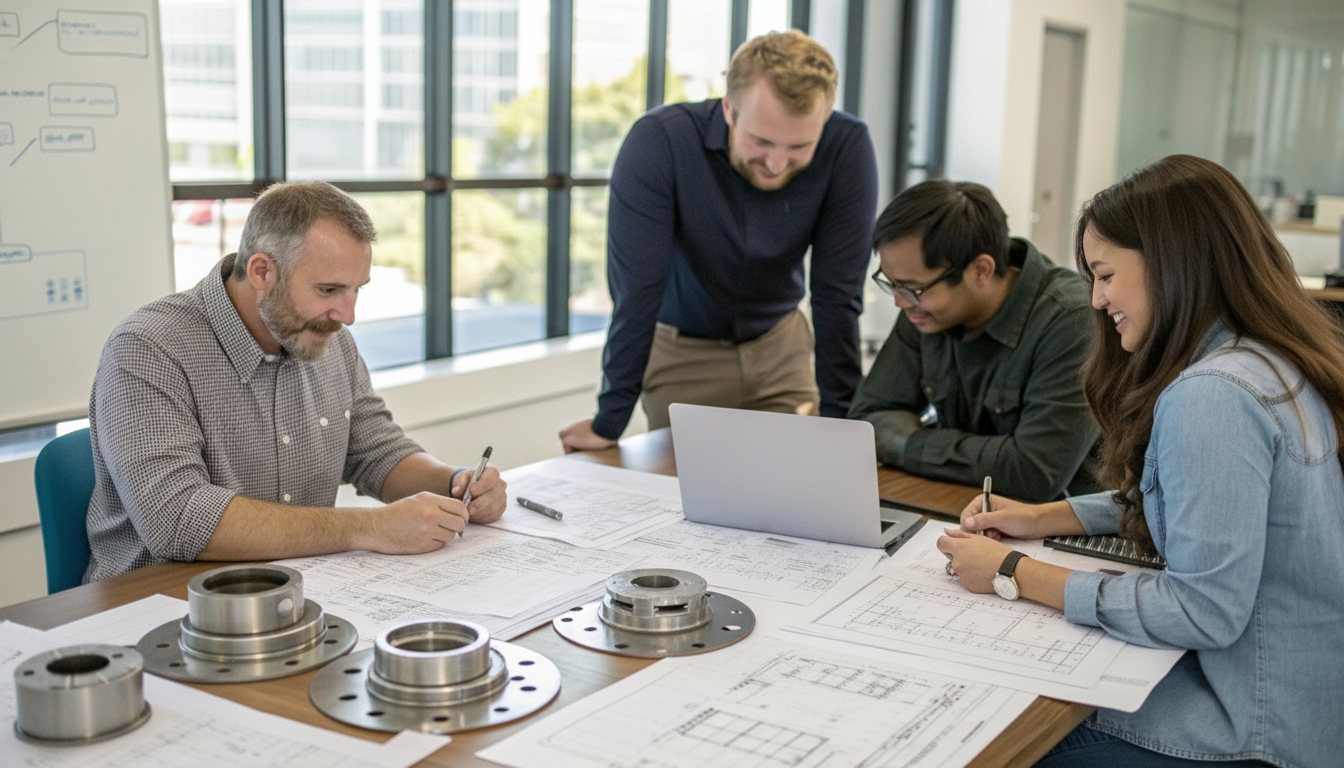
2. Ignoring Design for Manufacturing (DFM) Principles
Designs created without manufacturing constraints often require expensive redesigns or complex tooling that inflate costs and compromise quality. DFM oversights create avoidable production challenges.
Common DFM failures:
- Unmachinable features: Internal sharp corners, impossible undercuts
- Inaccessible surfaces: Areas requiring special tooling or multiple setups
- Poor material selection3: Choosing materials unsuitable for intended process
| DFM Principle | Common Violation | Optimal Approach |
|---|---|---|
| Simplify Geometry | Unnecessary complex contours | Standardized radii and angles |
| Minimize Setups | Features requiring multiple orientations | Consolidated machining operations |
| Standardize Features | Custom thread sizes and forms | Industry-standard fasteners |
3. Inadequate Material Specification
Vague or inappropriate material specifications lead to quality inconsistencies, performance issues, and unexpected cost variations. Material selection directly impacts functionality and manufacturability.
Material specification errors:
- Over-specification: Using premium materials where standard grades suffice
- Incomplete specifications: Missing heat treatment or certification requirements
- Process incompatibility: Materials unsuitable for chosen manufacturing method
Optimal material strategy:
- Match material properties to actual service conditions
- Specify complete material requirements including certifications
- Consider alternative materials with better manufacturability
4. Poor Communication of Critical Features
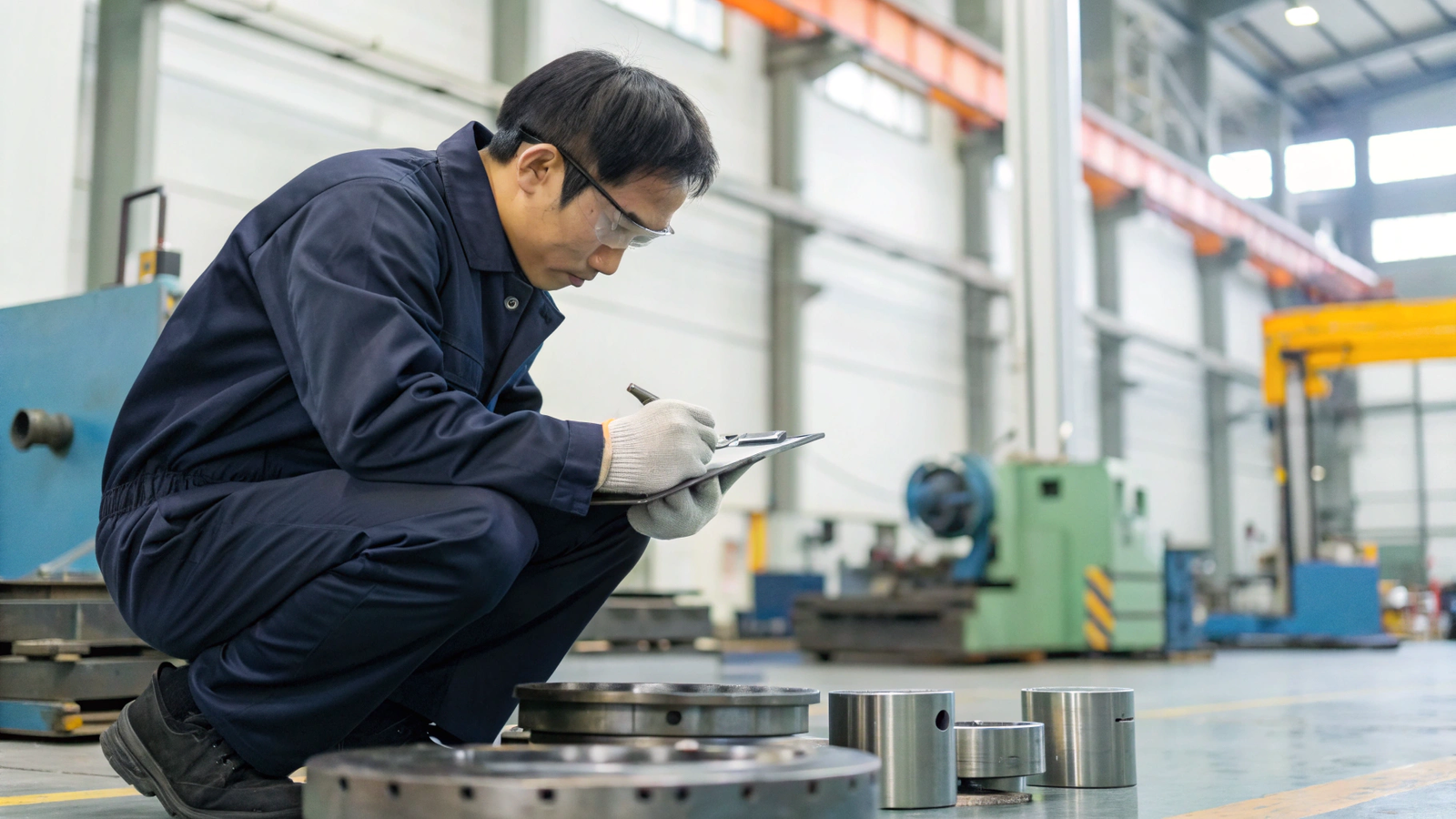
Designers often fail to clearly identify which features are critical to function, leading manufacturers to apply equal precision to all dimensions regardless of importance. This miscommunication wastes resources and compromises quality focus.
Communication gaps:
- Unidentified critical dimensions: Manufacturers guess which features matter most
- Missing functional context: How the part interacts in assembly
- Incomplete specifications: Surface finish, deburring requirements
Effective communication practices:
- Use clear callouts for critical dimensions
- Provide assembly context and functional requirements
- Include comprehensive notes and specifications
5. Underestimating Cost Drivers
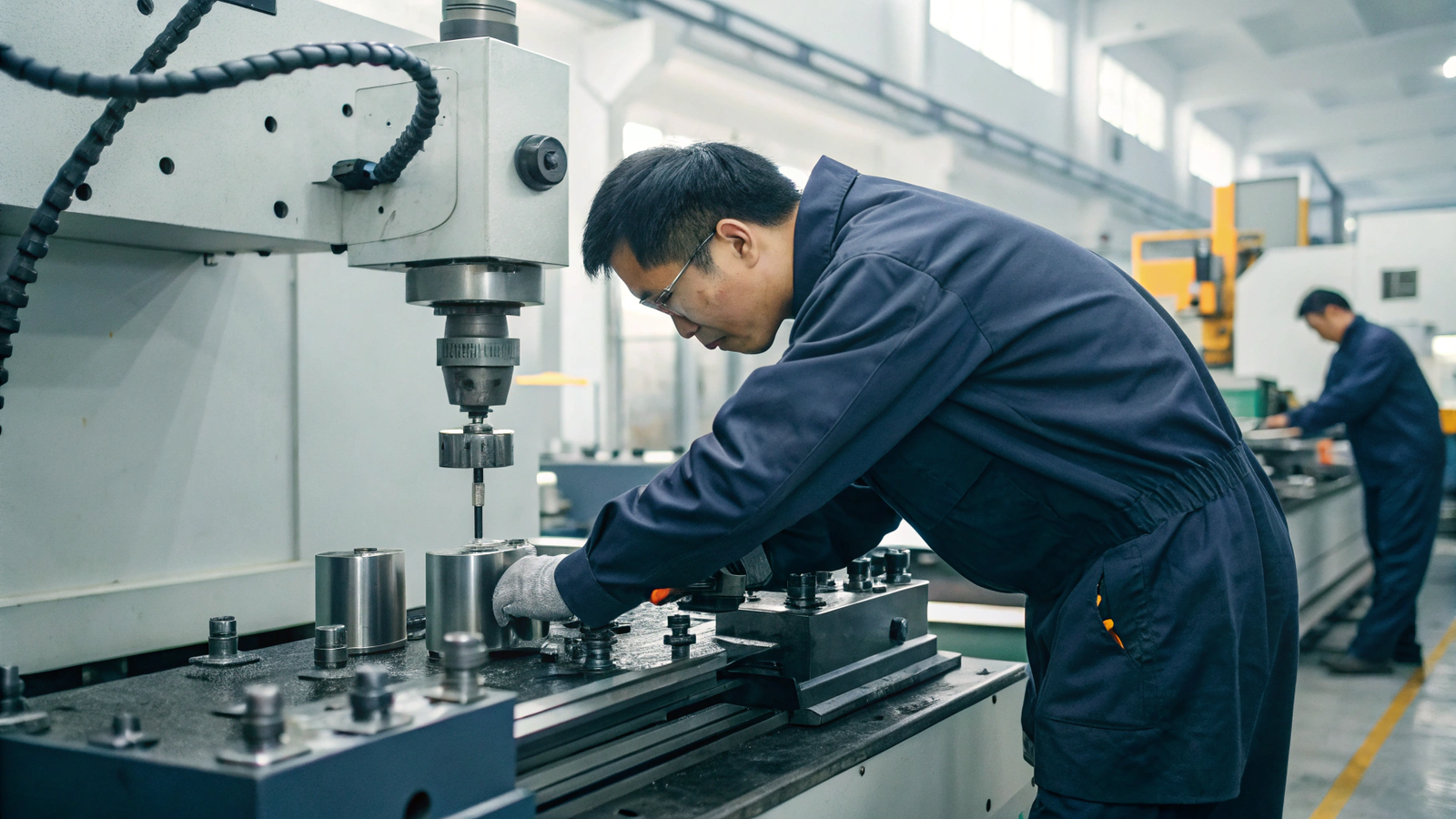
Design decisions that seem minor can have major cost implications, particularly regarding setup time, material waste, and secondary operations. Understanding true cost drivers4 prevents budget overruns.
Hidden cost factors:
- Setup complexity: Multiple operations increase labor and machine time
- Material utilization: Inefficient designs waste expensive raw materials
- Secondary processing: Additional finishing, heat treatment, or coating
Design Validation and Prototyping
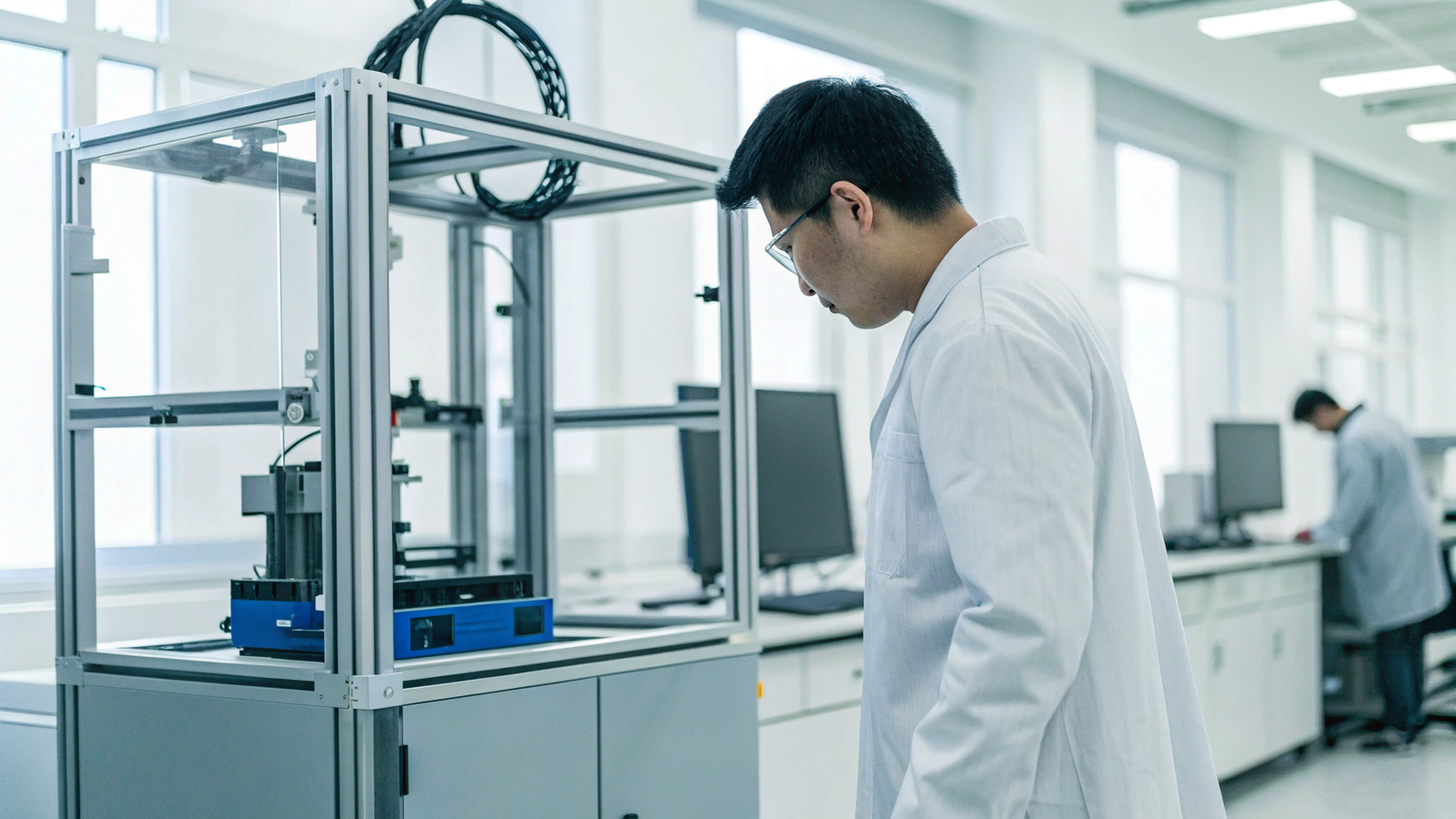
Thorough design validation through prototyping5 and manufacturer consultation identifies potential issues before production, saving time and preventing costly modifications. Early validation is crucial for complex custom parts.
Validation strategies:
- Rapid prototyping: 3D printing for form and fit verification
- Functional prototypes: Testing critical features under simulated conditions
- Manufacturer review: DFM analysis from production experts
Cost Optimization Strategies
Strategic design optimization balances performance requirements with manufacturing economics, typically reducing costs by 20-40% while maintaining functionality. Smart design choices deliver significant savings.
Optimization approaches:
- Consolidate components: Reduce part count through integrated design
- Standardize features: Use common hole sizes, threads, and finishes
- Optimize tolerances: Apply precision only where functionally required
Material Selection Guidelines
Optimal material selection3 considers mechanical requirements, manufacturing process, environmental conditions, and total cost to ensure performance and manufacturability. Material choice impacts every aspect of production.
Selection criteria:
- Mechanical properties: Strength, hardness, and fatigue resistance
- Manufacturability: Machinability, formability, and weldability
- Environmental resistance: Corrosion, temperature, and wear resistance
- Cost effectiveness: Initial cost versus lifecycle value
Supplier Collaboration Best Practices
Early and continuous collaboration with manufacturing partners ensures designs are optimized for production while meeting all functional requirements. Manufacturer input prevents costly redesigns.
Collaboration benefits:
- Process optimization: Designs tailored to specific equipment capabilities
- Cost reduction: Identification of unnecessary features or specifications
- Quality improvement: Manufacturing expertise applied to critical features
Future Trends in Custom Part Design
Advanced technologies including AI-driven design optimization, additive manufacturing6 integration, and digital twin simulation7 are transforming custom part design methodologies. Emerging tools enable more sophisticated design approaches.
Innovation impacts:
- Generative design: AI algorithms optimize geometry for weight and strength
- Additive manufacturing: Complex internal features previously impossible
- Digital simulation: Virtual testing reduces physical prototyping5
FAQs About Custom Metal Part Design
1. How much can proper DFM reduce costs?
Typically 20-40% through optimized tolerances, material selection3, and feature simplification.
2. When should I involve a manufacturer in design?
During initial concept development to ensure manufacturability from the start.
3. What tolerances are realistically achievable?
Standard machining: ±0.1mm, Precision machining: ±0.025mm, High-precision: ±0.005mm.
4. How do I choose between manufacturing processes?
Consider volume, complexity, material, and lead time requirements with manufacturer guidance.
5. What documentation do manufacturers need?
Complete CAD files8, detailed drawings, material specs, quality requirements, and application context.
6. How can I reduce lead times?
Simplify designs, use standard materials, and involve manufacturers early in the process.
Conclusion
Avoiding these common design mistakes requires a manufacturing-aware approach that balances creative vision with production reality. By applying DFM principles, collaborating with manufacturing partners, and understanding true cost drivers, designers can create custom metal parts that meet functional requirements while optimizing manufacturability and cost-effectiveness. The most successful designs emerge from this collaborative, knowledge-driven approach.
Ready to optimize your custom metal part designs? Contact our engineering team for expert DFM analysis and manufacturing guidance.
Why designers trust our manufacturing expertise:
- Comprehensive DFM analysis and recommendations
- Multi-process manufacturing capabilities
- Technical guidance throughout design process
- Competitive pricing with quality assurance
- Rapid prototyping and production services
-
Explore best practices to enhance your understanding of custom metal part manufacturing. ↩
-
Learn about common design mistakes to avoid costly errors in your projects. ↩
-
Understand the critical factors in material selection to enhance product performance. ↩ ↩ ↩
-
Identify hidden cost drivers to better manage your project budgets. ↩
-
Discover the benefits of prototyping in identifying design issues early. ↩ ↩
-
Explore how additive manufacturing is enabling new design possibilities. ↩
-
Learn about digital twin simulation and its role in enhancing design accuracy. ↩
-
Learn about the essential documentation required for effective manufacturing. ↩